


Quick Answer
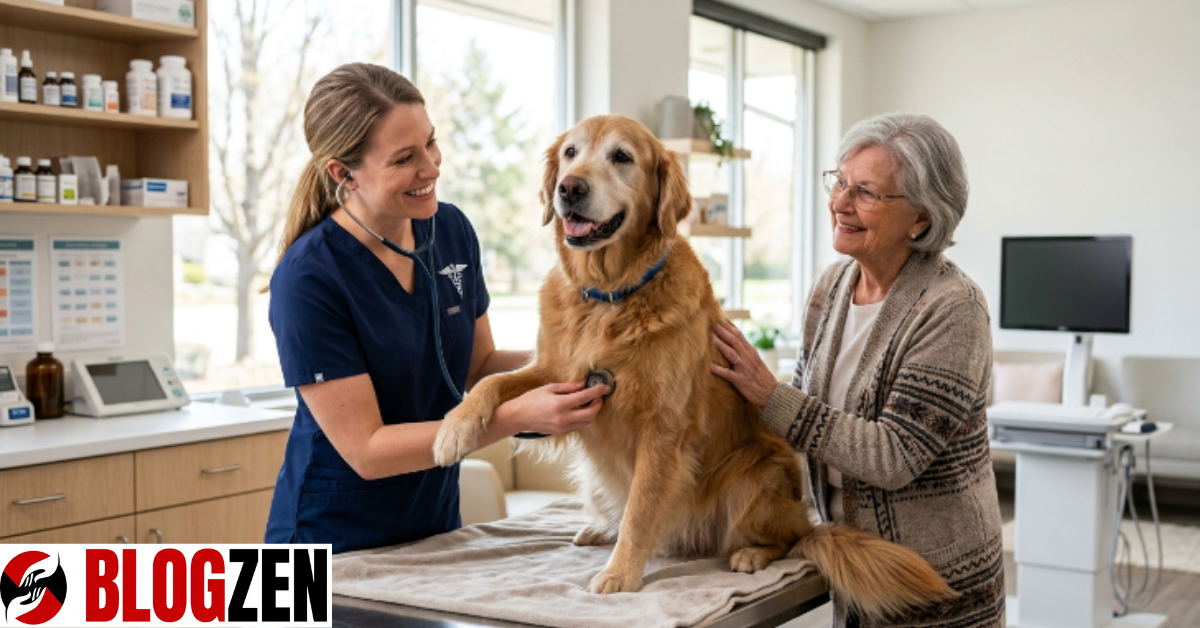
Senior dog care near me usually means a mix of vet checkups, mobility support, diet changes, and either in-home help or a specialized boarding service. The best option depends on your dog’s health, your schedule, and how much hands-on care they need daily.
Your dog just stared at the stairs for ten seconds before deciding not to climb them. That hesitation? It’s not stubbornness. It’s often the first real sign your dog needs senior support — and it’s exactly why so many people start searching for senior dog care near me at 11pm, phone in hand, worried they’ve waited too long.
Here’s the good news: you haven’t. Most owners catch these changes early enough to make a real difference. This guide walks you through what senior dog care actually looks like, how local options differ from each other, and how to pick the right one without spending weeks second-guessing yourself. By the end, you’ll know exactly what to ask, what to avoid, and what to do this week.
What Senior Dog Care Actually Means (And Why It Matters Now)
Senior dog care isn’t one single service — it’s a category. It covers everything from twice-yearly vet visits to full-time mobility assistance for dogs who can barely walk.
Most vets consider dogs “senior” starting around age 7 for larger breeds and closer to 10 for smaller ones. That’s earlier than most owners expect. The truth is, senior care should start before problems show up, not after.
Think of it this way: you don’t wait for your car to break down on the highway before getting an oil change. Senior dog care works the same way — it’s maintenance, not emergency response.
How Local Senior Dog Care Actually Works
Here’s what nobody tells you: “senior dog care near me” isn’t a single search result — it’s actually three different service types wearing the same label.
There’s in-home senior care, where a caregiver or vet tech visits your house for medication, mobility help, or companionship. There’s specialized boarding, built specifically for older dogs with joint issues, hearing loss, or cognitive decline. And there’s vet-affiliated senior wellness programs, which bundle bloodwork, dental checks, and mobility screening into one ongoing plan.
Most towns have at least one of each, though smaller areas may only have the vet-based option. Knowing which category you actually need saves you hours of phone calls.
Pro Tip: Call and ask directly, “Do you have staff specifically trained in geriatric dog care?” A generic “yes we take all dogs” answer is a red flag.
The Biggest Mistakes People Make When Searching Nearby
Most people get this completely wrong: they search “senior dog care near me,” click the first result, and book without asking a single question about staff training.
Mistake #1 — Assuming all boarding is the same. A standard kennel and a senior-specific facility are not interchangeable. Senior dogs often need padded floors, ramps instead of stairs, and staff who can spot early signs of distress.
Mistake #2 — Ignoring mobility needs until they’re severe. Waiting until your dog can’t walk at all makes every option more expensive and more limited.
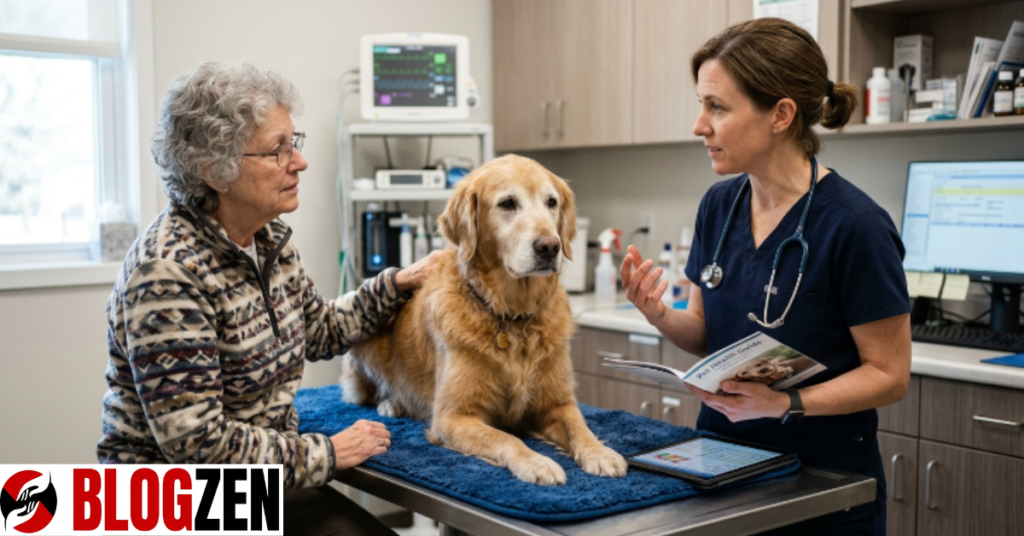
Mistake #3 — Skipping the vet consultation first. A quick checkup before choosing a care provider tells you exactly what your dog needs — instead of guessing.
READ MORE: How to Keep Dogs Healthy What Experts Know That You Don’t
Expert Tips for Choosing the Right Care Provider
Let me explain why this matters: the “best-rated” option online isn’t always the best fit for your specific dog. A five-star boarding facility built for young, high-energy dogs can be genuinely stressful for a 13-year-old dog with arthritis.
Here’s a simple comparison to help you decide which type of local care actually fits your situation:
| Care Type | Best For | Typical Cost Range | Watch For |
|---|---|---|---|
| In-Home Senior Care | Dogs with mobility issues who do better staying home | $$–$$$ per visit | Caregiver’s experience with geriatric dogs |
| Specialized Senior Boarding | Owners traveling, dogs needing supervised recovery | $$ per night | Ramps, soft bedding, low-stress layout |
| Vet Wellness Programs | Ongoing health monitoring, early disease detection | $$–$$$$ per year | Frequency of bloodwork and dental checks |
The most important takeaway here: match the care type to your dog’s actual limitations, not just your budget or convenience.
Pro Tip: Ask any provider for two references from clients with dogs over age 10 specifically — not just general references.
Real-World Scenarios: What Good Senior Dog Care Looks Like
Picture a 12-year-old Labrador named Max. His owner noticed him struggling to jump into the car. Instead of ignoring it, she booked a vet wellness check, learned he had early hip dysplasia, and switched to an in-home caregiver twice a week for gentle mobility exercises. Within two months, Max was walking noticeably easier.
Compare that to a common scenario that goes the other way: an owner books standard boarding for a senior dog with early dementia. The unfamiliar environment causes confusion and anxiety, and the dog comes home more stressed than before. Same search term, completely different outcomes — because the care type didn’t match the dog’s actual needs.
This is exactly why “near me” searches need a second filter: not just location, but specialization.
A Step-by-Step Guide to Finding Care Near You
Most people skip straight to Google Maps. Slow down — a five-step process saves you from a bad first choice.
- Book a senior wellness vet visit first. This tells you exactly what conditions you’re managing.
- List your dog’s specific limitations — mobility, hearing, incontinence, anxiety.
- Search using specific terms, like “senior dog boarding near me” instead of general boarding searches.
- Call three providers and ask about geriatric-specific training.
- Do a short trial visit before committing to overnight or long-term care.
This process takes maybe two extra days, but it prevents weeks of trial-and-error with the wrong provider.
Myths vs Facts About Senior Dog Care
Most people carry outdated ideas about what aging dogs actually need, and that alone leads to poor decisions.
Myth: Senior dogs don’t need much activity anymore.
Fact: Gentle, consistent movement often slows joint decline more than rest does.
Myth: All boarding facilities can handle older dogs fine.
Fact: Facilities without geriatric training frequently miss early signs of pain or confusion.
Myth: If your dog seems fine, you don’t need a senior care plan yet.
Fact: Many age-related conditions are silent in early stages — that’s exactly why proactive care matters more than reactive care.
Conclusion
Here’s what actually matters: senior dog care isn’t one service, it’s a category, and picking the wrong type is more common than picking the wrong provider. Start with a vet wellness check, match the care type to your dog’s real limitations, and always ask about geriatric-specific training before booking anything nearby.
Your dog gave you years of loyalty without asking questions. This is the part where you don’t rush the decision either.
What’s the first sign you noticed your dog was slowing down? Drop it in the comments — it might help another owner catch it earlier than you did.
FAQs
How do I know if my dog actually needs senior dog care near me, or just a regular checkup?
If your dog shows hesitation on stairs, slower walks, or changes in appetite, that’s beyond a routine checkup. A senior-specific wellness visit checks joints, organ function, and cognitive signs a standard exam often skips. Booking this first tells you exactly which type of ongoing care fits.
What’s the average cost of local senior dog care?
Costs vary widely by region and service type. In-home visits often run $30–$70 per session, specialized boarding $40–$90 per night, and vet wellness programs $200–$600 annually. Three factors affect price most: (1) frequency of visits, (2) medical complexity, (3) whether specialized equipment is needed.
Can I combine in-home care with vet wellness programs?
Yes, and many owners find this combination works best. The vet program tracks long-term health trends, while in-home care handles daily mobility or comfort needs. This layered approach catches problems earlier than relying on one service alone.
Is senior dog boarding near me safe for dogs with dementia?
Only if the facility has specific experience with canine cognitive dysfunction. Unfamiliar environments can worsen confusion and anxiety in dogs with dementia. Ask directly whether staff are trained to recognize and calm dementia-related distress.
How often should a senior dog see a vet compared to a younger dog?
Senior dogs typically need checkups every six months instead of annually. This shorter interval catches issues like arthritis, kidney decline, or dental disease before they become severe. Younger, healthy dogs can usually stick to yearly visits.
What questions should I ask before choosing local senior dog care?
Ask about staff training in geriatric care, emergency vet partnerships, and daily mobility accommodations like ramps or soft flooring. Also ask how they handle medication schedules and behavioral changes. A provider who answers these confidently and specifically is a strong sign of real experience. VISIT BLOGZEN
