


Quick Answer
To keep dogs healthy, feed a vet-recommended diet, exercise daily based on breed and age, schedule annual vet checkups, keep vaccinations and parasite prevention current, maintain dental hygiene, and monitor behavioral changes early. Consistency in these habits is the single biggest factor in a long, healthy dog life.
Most dogs die earlier than they should. Not because of bad luck — but because their owners unknowingly made the same five preventable mistakes, year after year. If you’re trying to figure out how to keep dogs healthy, the answer isn’t just better food or more walks. It’s about understanding what dogs actually need versus what the pet industry wants you to buy.
In this article, you’ll get the full picture: the science-backed fundamentals, the expert strategies most vets don’t have time to explain, the myths that are quietly damaging your dog’s health right now, and a step-by-step daily routine you can start tomorrow. Whether you have a puppy or a senior dog, this guide applies.
What Keeping Dogs Healthy Really Means — and Why It Matters
Dog health isn’t a single number on a vet report. It’s a living system — nutrition, movement, mental stimulation, preventive care, and emotional wellbeing all feeding into each other. When one breaks down, the others follow. A dog that eats great food but never exercises properly is still a sick dog waiting to happen.
Here’s what nobody tells you: most chronic dog illnesses — obesity, dental disease, joint degeneration, anxiety disorders — are lifestyle diseases. According to the American Veterinary Medical Association, over 50% of dogs in the U.S. are overweight or obese, which directly shortens lifespan and increases the risk of diabetes, arthritis, and heart disease.
Think of your dog’s health the way you’d think about your own. No single habit saves you. It’s the compounding effect of daily choices — and that’s exactly where most owners quietly fall short.
Pro Tip: Ask your vet to do a body condition score (BCS) at every visit. This 9-point scale is far more accurate than weight alone and tells you immediately whether your dog is in the right zone.
How Canine Health Actually Works (The System Behind It)
Dog health runs on four interconnected pillars. Ignore one and the others start to compensate — and eventually, they can’t.
- Nutrition — The right macro balance, hydration, and micronutrients fuel every organ system. Dogs aren’t humans; their needs for protein, fat, and specific amino acids like taurine are very different.
- Physical activity — Exercise manages weight, strengthens the cardiovascular system, lubricates joints, and — this is the part people underestimate — burns mental energy that prevents destructive behavior.
- Preventive care — Vaccines, parasite control, dental cleanings, and annual bloodwork catch problems before they’re expensive emergencies. Catching kidney disease early versus late is the difference between management and crisis.
- Mental and emotional health — Chronic stress in dogs elevates cortisol, suppresses immune function, and causes behavioral problems that escalate. A bored, anxious dog isn’t just annoying — they’re genuinely suffering.
- Sleep and recovery — Dogs sleep 12–14 hours a day. Disrupting that — through erratic schedules, loud environments, or over-stimulation — quietly degrades immune function and stress resilience over time.
My observation after studying pet health for years: most owners nail one or two of these pillars and accidentally neglect the rest. The good news? Small, consistent changes across all five produce dramatic results within weeks.
Common Mistakes People Make With Dog Health
Mistake 1: Treating Food as the Only Variable
Owners switch foods obsessively — grain-free, raw, freeze-dried — while ignoring portion control. The best diet in the world doesn’t matter if you’re feeding 30% too much of it. Measure every meal. Use the body condition score, not the bag’s feeding guidelines (which are almost always too generous). Most commercial food guidelines are set to maximize consumption, not optimize health.
Mistake 2: Skipping Dental Care Until It’s Obvious
Dental disease affects over 80% of dogs by age three, according to veterinary studies. Most owners only notice it when breath becomes unbearable — by which point infection has often spread. Bacteria from periodontal disease enters the bloodstream and damages the heart, kidneys, and liver. Brush teeth three times a week minimum, and schedule professional cleanings annually. This single habit could add years to your dog’s life.
Mistake 3: Assuming Behavior Changes Are “Just Age”
When a dog slows down, eats less, or becomes irritable, owners often chalk it up to getting older. Sometimes that’s true. But these can also be early signs of hypothyroidism, arthritis, cognitive dysfunction, or internal organ issues. Get bloodwork done annually — even for healthy-seeming adult dogs. Early detection is the single most cost-effective thing you can do.
Pro Tip: Set a calendar reminder for your dog’s monthly “health check-in” — nose, eyes, ears, skin, teeth, gait, and weight. You’ll catch problems in days, not months.
Expert Tips and Proven Strategies for Keeping Dogs Healthy
Match Exercise to Breed Energy Levels, Not Your Schedule
A Border Collie that gets two 20-minute walks a day is a Border Collie in crisis. Working breeds need 90 minutes to two hours of real aerobic activity. Under-exercised high-drive dogs develop anxiety, destructive habits, and even immune suppression. Research your breed’s actual energy category, and build an exercise routine around that — not around what’s convenient for you.
Use Enrichment to Tire the Brain, Not Just the Body
Here’s something most owners never hear: ten minutes of nose work or puzzle feeding tires a dog more effectively than a 30-minute walk. Mental stimulation activates the prefrontal cortex and satisfies the “seeking” drive that working dogs especially crave. Snuffle mats, lick mats, hide-and-seek games, and training sessions count. A mentally stimulated dog is a calmer, healthier dog.
Build Predictable Routine Into Every Day
Dogs are creatures of circadian rhythm. Feeding, exercise, and sleep happening at consistent times each day regulates cortisol cycles, improves digestion, and reduces anxiety measurably. If your dog’s schedule varies wildly, their stress hormones do too. Predictability isn’t a luxury for anxious dogs — it’s basic physiological support for all dogs.
Real-World Examples and Case Studies
Scenario A — The “Healthy-Looking” Dog That Wasn’t
A 6-year-old Labrador named Max looked fine at a glance — shiny coat, good appetite, playful. His owners skipped annual bloodwork for three years. At his next vet visit, routine panels revealed early-stage kidney disease and elevated liver enzymes. Caught at this stage, dietary changes and supplements slowed progression significantly. His vet estimated that another year without testing would have pushed him into stage 3 kidney failure, dramatically limiting treatment options. Cost of annual bloodwork: around $120. Cost of managing advanced kidney disease: thousands, plus a shorter, harder life.
Scenario B — Weight Loss That Changed Everything
A 9-year-old Beagle was limping and had visible difficulty on stairs. Her vet diagnosed early arthritis. Before medications, the vet suggested a structured weight loss plan — cutting 20% of daily calories and adding three 15-minute walks per day. Over 14 weeks, she lost 4.2 lbs (about 12% of her body weight). Her mobility improved by roughly 60% without any pharmaceutical intervention. Every pound of excess weight puts four pounds of pressure on canine joints — the math works in reverse too.
Pro Tip: Photograph your dog from above and from the side monthly. Visual documentation of body shape changes — rib visibility, waist definition — tells you more than a scale alone.
Step-by-Step Guide — How to Keep Dogs Healthy in Action
- Audit your dog’s current diet this week — Weigh their food with a kitchen scale instead of using the cup that came with the bag. Adjust to their ideal weight target, not their current weight. This alone resolves a huge percentage of preventable health issues.
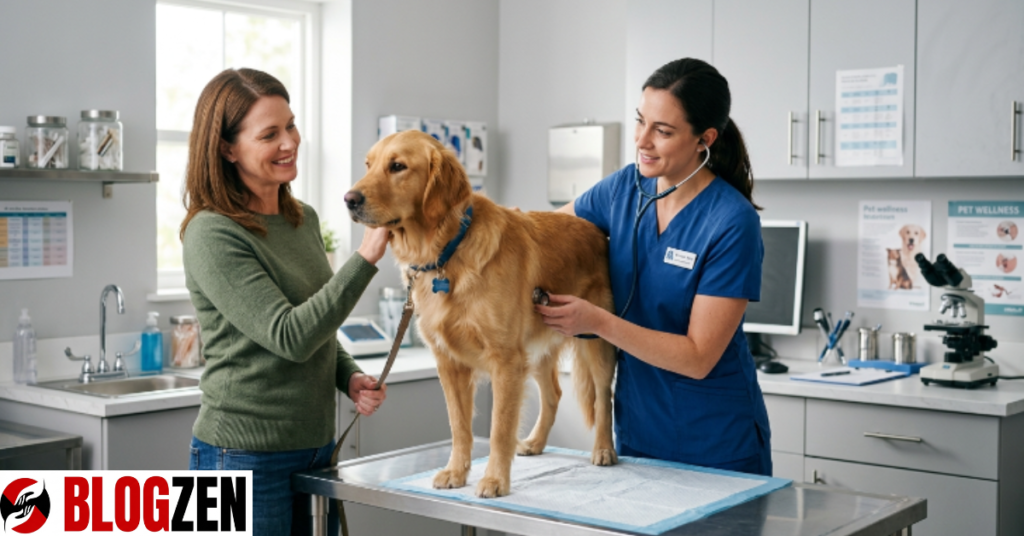
- Schedule a vet appointment if it’s been over 12 months — Request full bloodwork, not just a physical exam. Ask specifically for a urinalysis, CBC, and comprehensive metabolic panel. Prevention here is 10x cheaper than cure.
- Start a dental hygiene routine this week — Use a dog-specific toothbrush and enzymatic toothpaste. Start with just 30 seconds a day to build tolerance. Dental chews help but do not replace brushing.
- Build a breed-appropriate exercise schedule — Look up your dog’s breed energy category. Create a weekly plan with at least two forms of activity: aerobic (running, fetch, swimming) and mental enrichment (sniffing, training, puzzles).
- Establish a monthly home health check — On the same date each month, examine eyes, ears, nose, gums, skin, coat, nails, and gait. Write down what you observe. Changes over time are data — and data saves lives.
Myths vs Facts — What to Avoid With Dog Health
| ❌ Myth | ✅ Fact |
|---|---|
| Grain-free food is healthier for all dogs | Most dogs tolerate grains well. The FDA investigated a link between grain-free diets and dilated cardiomyopathy. Always consult a vet before switching. |
| You only need a vet when your dog is sick | Annual wellness exams and bloodwork catch disease early — when it’s treatable. Waiting until symptoms appear often means catching disease late. |
| A dog is healthy if it’s not overweight | Weight is one metric. Dental health, organ function, joint health, and mental wellbeing are all separate — a lean dog can have serious underlying conditions. |
| Puppies need more exercise than adult dogs | Over-exercising puppies before growth plates close (around 12–18 months) can cause permanent joint damage. Short, frequent sessions are far safer. |
Conclusion
Three things matter most: consistent preventive care (vet visits and bloodwork before problems start), daily physical and mental exercise matched to your dog’s actual needs (not just what’s convenient), and early detection habits at home (monthly check-ins and honest attention to behavioral changes).
Keeping dogs healthy isn’t about buying the most expensive food or the fanciest supplements. It’s about showing up consistently for the basics — and having the knowledge to know when something’s off.
Now it’s your turn: which of these habits are you already doing well, and which one will you start this week? Drop it in the comments — your answer might help another dog owner make a decision that changes their dog’s life. And if you found this useful, read our guide on Signs of an Unhealthy Dog You Might Be Ignoring next — it pairs perfectly with everything here.
The best day to start caring better for your dog was the day you got them. The second-best day is today.
FAQs
How often should I take my dog to the vet to keep them healthy?
Adult dogs between 1 and 7 years old should have at least one comprehensive wellness visit per year, including bloodwork. Puppies need multiple visits in their first year for vaccines and developmental checks. Senior dogs (7+ for most breeds, 5+ for giant breeds) benefit from twice-yearly exams because age-related conditions can progress rapidly. Always request a urinalysis alongside standard bloodwork — kidney issues often show up there first, before other symptoms appear.
What are the most important ways to keep a dog healthy at home?
The five highest-impact home habits are: (1) weigh every meal rather than free-feeding, (2) brush teeth three times a week, (3) exercise daily for breed-appropriate duration, (4) provide mental enrichment through puzzles and sniff activities, (5) do a monthly home physical check of eyes, ears, skin, and gait. These cost almost nothing but dramatically reduce vet visits for preventable conditions over a dog’s lifetime.
What foods are best for keeping dogs healthy long-term?
Look for AAFCO-compliant foods with a named protein source (chicken, salmon, beef) as the first ingredient. Avoid fillers like corn syrup and artificial preservatives. The best food is the one appropriate for your dog’s life stage (puppy, adult, senior), breed size, and any medical conditions — a working dog has very different needs than a sedentary apartment dog. Always transition foods gradually over 7–10 days to prevent digestive upset.
How much exercise does a dog actually need each day?
It varies significantly by breed, age, and health status. Low-energy breeds like Bulldogs may need 30 minutes of gentle activity. High-energy working breeds like Huskies, Border Collies, and Belgian Malinois can require 2+ hours of intense activity to avoid behavioral and physical problems. Age matters too — senior dogs need shorter, lower-impact sessions that maintain mobility without stressing joints. When in doubt, your vet can give breed-specific recommendations.
Can stress affect my dog’s physical health?
Yes — significantly and measurably. Chronic stress in dogs elevates cortisol, which suppresses immune function, disrupts gut microbiome balance, worsens inflammatory conditions, and accelerates cognitive aging in senior dogs. Common stress triggers include unpredictable schedules, loud environments, under-stimulation, social isolation, and conflict between pets in the home. Identifying and reducing stressors is a legitimate and often overlooked component of preventive dog healthcare.
How do I know if my dog is healthy or just acting normal?
Healthy baselines to know for your specific dog: normal resting heart rate (60–140 bpm depending on size), clear eyes without discharge, pink gums that blanch and refill within 2 seconds, consistent appetite and energy, firm but not hard stools, and no limping or flinching when touched. Any significant deviation from your dog’s personal baseline — not just a breed standard — warrants a vet call. You know your dog better than any chart; trust that.
