


Quick Answer
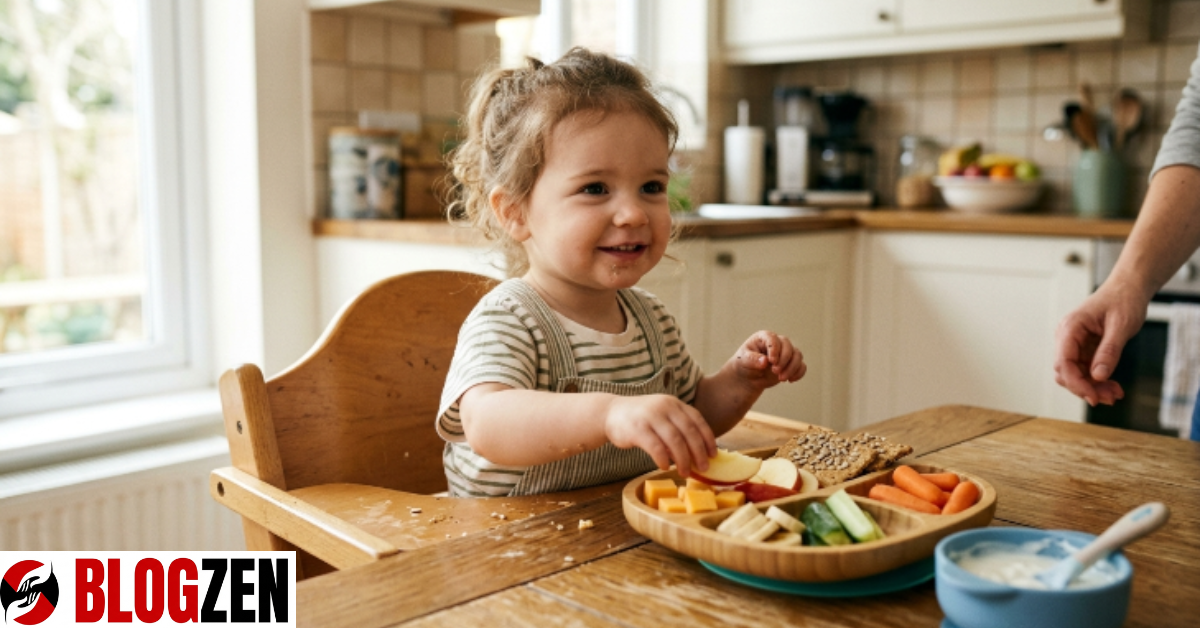
The best healthy snacks for toddlers 2 years old combine protein, fiber, and healthy fats in bite-sized, choke-safe portions — think cheese cubes, avocado slices, banana with nut butter, or steamed veggie sticks. Offer 2-3 snacks daily alongside meals, avoid added sugar, and always supervise eating.
Introduction
Your two-year-old just threw a perfectly good apple slice across the kitchen — again. If that sounds familiar, you’re not alone, and you’re definitely not doing anything wrong.
Finding healthy snacks for toddlers 2 years old isn’t just about nutrition charts and food pyramids. It’s about surviving the daily battle between what your child should eat and what they’ll actually eat. Most parents assume toddler snacking is simple until they’re standing in the pantry at 3pm, out of ideas, and out of patience.
Here’s what nobody tells you: toddlers at this age need snacks that do double duty — fueling rapid brain development while fitting into fists that can barely hold a spoon. In this guide, you’ll get real, tested snack ideas, the mistakes most parents don’t realize they’re making, and a step-by-step approach that actually works with picky little humans.
What Are Healthy Snacks for Toddlers 2 Years Old (And Why They Matter So Much Right Now)
Toddlers have tiny stomachs but huge energy demands. At two years old, your child’s brain is using up to 40% of their daily energy intake, according to pediatric nutrition research. That’s why snacks aren’t optional extras — they’re essential fuel stops between meals.
Think of it this way: an adult stomach is roughly the size of a fist, but a toddler’s stomach is closer to the size of their own small fist — maybe a quarter cup. They simply can’t eat enough at three meals to cover a full day’s nutrition. Snacks bridge that gap.
The truth is, what counts as a “healthy” snack at this age looks different than what works for older kids. Choking risk, iron needs, and taste development are all still evolving. A snack that’s perfect for a 5-year-old — like whole grapes or popcorn — can be genuinely dangerous for a 2-year-old.
Two-year-olds need snacks built around safety first, nutrition second, and fun third.
READ THIS: Fever in Babies Under 1 What Doctors Know That Panicked Parents Don’t
How Toddler Snacking Actually Works (The Science Behind It)
Let me explain why timing matters just as much as food choice. Toddler blood sugar drops faster than adults’, which is part of why meltdowns often spike right before a scheduled snack time.
Most nutritionists recommend spacing meals and snacks about 2.5 to 3 hours apart. This keeps energy levels steady without ruining appetite for the next real meal. Offering snacks too close to mealtime is one of the most common reasons toddlers “refuse” dinner — they’re simply not hungry yet.
Texture also plays a bigger role than most parents expect. Toddlers are still building the oral motor skills needed to chew and swallow safely, which is why pediatricians recommend avoiding hard, round, or sticky foods until age 4.
Pro Tip: Cut round foods like grapes, cherry tomatoes, and hot dogs lengthwise, not just in half, to reduce choking risk.
Here’s what actually happens nutritionally: toddlers absorb iron and zinc more efficiently when paired with vitamin C-rich foods. That’s why a snack like hummus with bell pepper strips isn’t just tasty — it’s biologically smart.
Common Mistakes Parents Make With Toddler Snacks
Most parents get this completely wrong in one of three ways, and it’s rarely their fault — toddler nutrition advice online is often outdated or contradictory.
Mistake #1: Treating snacks as mini-meals. Piling a full plate for snack time overwhelms toddlers and often leads to waste and frustration on both sides.
Mistake #2: Relying on packaged “toddler snacks.” Many store-bought puffs and bars marketed for toddlers contain more added sugar per serving than a chocolate chip cookie. Reading labels matters more than trusting packaging claims.
Mistake #3: Offering the same 5 foods on repeat. While consistency feels safer, it can narrow a toddler’s palate long-term and delay acceptance of new textures and flavors.
A quick comparison shows just how different these choices really are:
| Snack Type | Added Sugar | Protein | Choking Risk | Cost |
|---|---|---|---|---|
| Fruit puffs (packaged) | High | Low | Low | Medium |
| Cheese cubes | None | High | Low (if diced) | Low |
| Whole grapes | None | Low | High (unless cut) | Low |
| Yogurt (plain) | None | High | None | Low |
| Granola bars (store) | High | Medium | Medium | Medium |
Expert Tips and Proven Strategies That Actually Work

Pediatric dietitians consistently recommend a simple framework: pair a protein or fat with a fiber source at every snack. This combination keeps blood sugar stable and curbs the mid-afternoon crash-and-meltdown cycle.
Here’s what nobody tells you about toddler taste development — it can take 8 to 15 exposures to a new food before a toddler accepts it. Rejection on the first try isn’t failure; it’s normal biology.
Pro Tip: Serve new foods alongside a “safe” favorite, not alone. This lowers pressure and increases the odds your toddler will try a bite.
Batch-prepping snacks once or twice a week — think pre-portioned containers of cheese, fruit, and veggies — saves enormous time and reduces the temptation to grab processed options during busy afternoons.
READ THIS: Signs of Teething in Babies What Experts Know That You Don’t
Real-World Examples: What This Looks Like in Daily Life
Consider a typical Tuesday. Sarah, a mother of a 2-year-old, used to reach for crackers every afternoon out of convenience. After switching her mid-morning snack to Greek yogurt with mashed banana, she noticed her son’s energy stayed steadier before lunch, with fewer meltdowns.
Another common scenario: daycare drop-off snacks. Many centers now require nut-free, choking-safe options, which pushes parents toward simple combinations like rice cakes with sunflower seed butter or steamed sweet potato sticks — proof that healthy snacks for toddlers 2 years old don’t need to be complicated to meet strict safety rules.
Step-by-Step Guide to Building a Healthy Toddler Snack
Follow this simple process every time you’re stuck on what to serve:
- Pick a protein or fat base — cheese, yogurt, nut/seed butter, or beans.
- Add a fiber source — soft fruit, cooked vegetable, or whole grain.
- Check the texture — is it soft enough to squish with a fork? If not, cook or cut it further.
- Portion small — start with 2-3 bite-sized pieces, not a full plate.
- Supervise while eating — always, seated, never in a moving car or stroller.
This five-step method removes the guesswork and works even when you’re exhausted and staring blankly into the fridge.
Pro Tip: Keep a running list on your fridge of 10 approved snack combos so you’re never starting from zero.
Myths vs. Facts About Toddler Snacking
Myth: Toddlers need three snacks a day to grow properly.
Fact: Most toddlers do well with 2 planned snacks alongside 3 meals — more than that can blunt appetite for real meals.
Myth: Fruit snacks and fruit juice count as fruit servings.
Fact: These products are often mostly sugar with minimal fiber or nutrients compared to whole fruit.
Myth: Picky eating means something is wrong.
Fact: Selective eating between ages 2-3 is a normal developmental phase tied to growing independence, not a sign of poor parenting.
According to the [External Link Suggestion: American Academy of Pediatrics feeding guidelines], toddler appetite naturally fluctuates as growth rate slows after infancy — which explains why snack refusal one day doesn’t predict the next.
Conclusion
Healthy snacks for toddlers 2 years old don’t need to be Pinterest-perfect — they need to be safe, balanced, and realistic for your actual life. Focus on pairing protein with fiber, watch texture and portion size, and don’t panic over one refused snack.
Start small: pick three snack combos from this guide and put them on repeat this week. Notice how your toddler responds, and adjust from there.
What’s your toddler’s current favorite (or most-rejected) snack? Drop it in the comments — you might just help another exhausted parent find their next go-to.
Small snack changes today build lifelong eating habits tomorrow.
READ THIS: The Truth About Introducing Eggs to Baby Safely Nobody Tells You
FAQs
What are the healthiest snacks for a 2-year-old?
The healthiest options combine protein and fiber in soft, bite-sized forms — think avocado slices, scrambled egg pieces, steamed carrot sticks, or plain yogurt with mashed fruit. Avoid added sugars and hard, round foods that pose choking risks at this age.
How many snacks should a 2-year-old eat per day?
Most toddlers do well with 2 to 3 planned snacks daily, spaced about 2.5-3 hours from meals. Offering more than that can reduce appetite at mealtimes, while too few can lead to blood sugar dips and irritability.
What snacks should toddlers avoid completely?
Avoid whole grapes, popcorn, hard candy, nuts, chunks of raw carrot, and hot dog rounds unless properly cut. These remain top choking hazards for children under 4, according to pediatric emergency data.
Can toddlers eat store-bought snack packs?
Occasionally, yes — but check labels closely. Many contain added sugar, low fiber, and minimal protein despite “toddler” branding. Reserve these for convenience situations rather than daily use.
Why does my toddler refuse healthy snacks?
This is usually normal developmental pickiness, not a red flag. Try these three tactics: 1) pair new foods with familiar favorites, 2) offer the same rejected food again in a week, 3) let them help prepare it. Repetition without pressure works best.
Are homemade snacks better than packaged ones for toddlers?
Generally yes, since homemade snacks let you control sugar, salt, and texture precisely. That said, some packaged options — like plain rice cakes or single-ingredient dried fruit — can fit into a healthy rotation when time is tight.
