


QUICK ANSWER
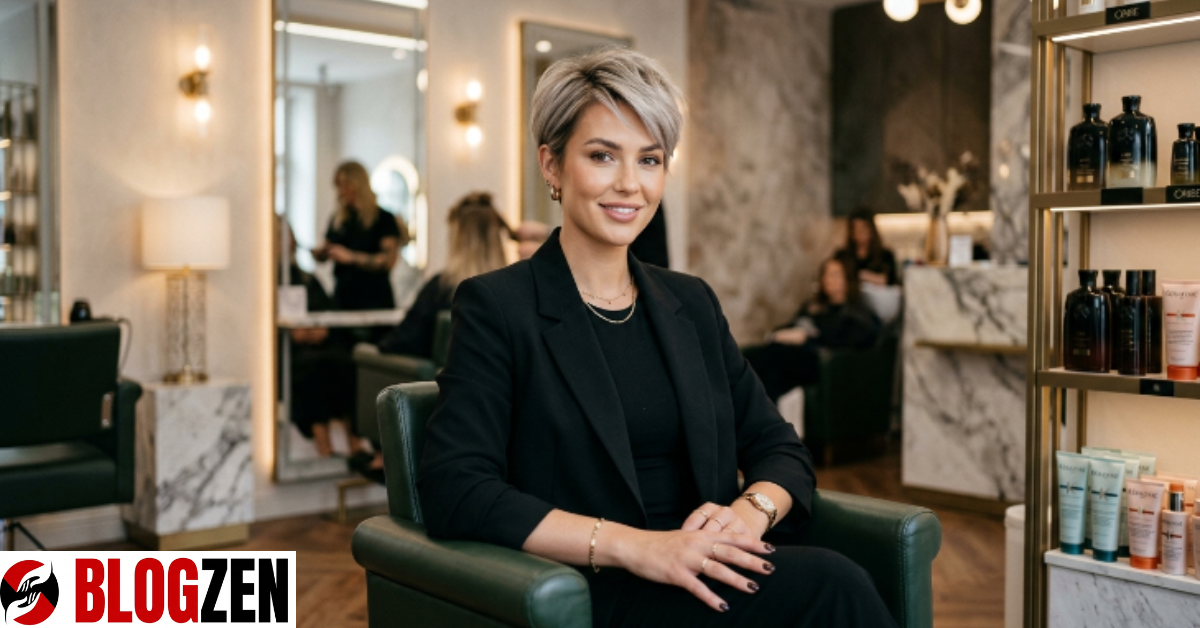
Hairstyles for short hair range from bobs and pixies to layered cuts and undercuts, each offering low-maintenance styling and modern appeal. The best choice depends on your face shape, hair texture, and lifestyle. Popular options include textured crops, shaggy bobs, and sleek pixies that work for different personalities and maintenance levels.
INTRODUCTION
Short hair doesn’t mean boring hair—it means freedom.
The misconception that short hairstyles limit your style options is exactly backwards. Right now, more women are choosing to cut their hair short than ever before, and that’s because short hair is having a renaissance. From effortless textured crops to sleek geometric bobs, the variety of hairstyles for short hair has exploded over the last few years.
Here’s the truth nobody tells you: short hairstyles are actually harder to pull off badly than long hair. They require commitment and the right cut, but once you nail it, you’re looking at 10 extra minutes of sleep every morning, zero split ends, and a confidence boost that’s real.
In this guide, you’ll learn exactly which short hairstyles work for different face shapes, hair types, and lifestyles. You’ll discover why some short haircuts fail and others make you look 10 years younger. And you’ll get the insider tips that hairstylists wish all their clients knew before sitting in the chair. By the end, you’ll understand what makes a short hairstyle work, and you’ll have concrete options to try.
Let me explain why this matters: the wrong short haircut can make you look tired or unflattering, while the right one transforms how you see yourself every single day. That’s worth getting right.
What Short Hairstyles Actually Are (And Why They’re Not For Everyone)
When we talk about hairstyles for short hair, we’re not just talking about length—we’re talking about how the cut sits, how much texture it has, and how much styling effort you’re willing to invest.
Short hair typically means anything chin-length or shorter. This includes pixies (2-4 inches), crops (3-5 inches), bobs (just at or above the jaw), and layered cuts that sit anywhere from ear-length to collar-length. The key difference between a short hairstyle and medium-length hair is how much presence the cut needs.
Think of it this way: long hair forgives bad cuts. You can hide layers that didn’t work, pull it back, or wait for it to grow out. Short hair has nowhere to hide. Every cut needs to be intentional, which means when you get a good short hairstyle, it’s really good. But when it’s not quite right, you notice it immediately.
The rise of celebrity culture and social media has made short hairstyles aspirational in a new way. When someone like Zendaya, Timothée Chalamet, or Rihanna rocks a pixie cut or sharp bob, suddenly it’s not just practical—it’s cool. That shift has liberated people to experiment with short hairstyles in ways they wouldn’t have 10 years ago.
Most people get this completely wrong: they assume short hair means less upkeep. The truth is, short hair requires more frequent trims (every 4-6 weeks instead of 8-12) but less daily styling time. You’re trading blow-dry time for chair time, which works for some lifestyles and not others.
The Science Behind Why Some Short Hairstyles Suit Your Face (And Others Don’t)
Face shape matters more with short hair than any other length. Here’s why: without the camouflage of long hair, the line of a short haircut emphasizes the natural proportions of your face.
Round faces (equal width and length) need hairstyles for short hair that create vertical lines and height at the crown. This is why textured pixies, tall crops, and side-swept bobs work beautifully. What doesn’t work: blunt cuts that sit flat against the head, which makes round faces look rounder. A good hairstylist will create height and movement to elongate your face.
Square faces (angular jawline, broad forehead) thrive with soft, layered hairstyles for short hair that break up the strong lines. Shaggy bobs, tousled pixies, and choppy textures are your friends. Why? Because they soften the angularity without sacrificing the strength you naturally have. A blunt, perfectly geometric bob can actually look harsh on square faces.
Oval faces (the “ideal” proportion) are genuinely lucky—almost every short hairstyle works. But here’s where it gets strategic: you can afford to be bold. Try the edgy pixie cut with longer sides, the severe geometric bob, or the ultra-short crop. Your face shape gives you permission.
Heart-shaped faces (wider forehead, narrow chin) need hairstyles for short hair that don’t create extra volume at the top. This means side-parted pixies (to soften the forehead), chin-length bobs (to add width at the jaw), and avoid super-short crops that expose the forehead. Longer pixies with side-swept bangs work exceptionally well here.
Oblong faces (long and narrow) actually benefit from shorter hairstyles that add width. Bobs that graze the jawline, fuller pixies, and textured crops all work because they create the illusion of width where you need it.
Here’s what hairstylists know that you might not: the angle of your haircut matters as much as the length. A chin-length bob cut with an upward angle makes your face look lifted. The same cut with a downward angle can drag your face down. This is technique, and it’s why consulting with an experienced stylist before committing to a short hairstyle is non-negotiable.
7 Short Hairstyles That Actually Work (And How to Know If You Can Pull Them Off)
1. The Textured Pixie Cut
The modern pixie is not the severe, helmet-like cut of the 1950s. Today’s textured pixie is messy, intentional, and works on almost every hair type except very curly hair that needs serious length to define the curls.
A textured pixie means the stylist cuts the hair in a way that creates natural texture points. You get layers, choppy pieces, and soft angles rather than one uniform length. The result? A hairstyle that looks like you didn’t try, but clearly shows you did.
Who it suits: People with relatively straight to wavy hair, or those willing to style daily. Pixies require product and finger-styling to look intentional rather than unkempt. If you hate blow-drying, this is still your best short hairstyle because the cut does the heavy lifting.
Maintenance: Trim every 4 weeks. You’ll also need styling product (a light pomade or texturizing spray works best).
2. The Blunt Bob
This is the architectural sibling of the pixie. A blunt bob sits at chin-length or just above, with zero layers and a clean, precise line. It’s the uniform-length approach, and when it works, it’s sharp.
The blunt bob skews modern and editorial. It photographs well, it looks intentional, and it moves with confidence. Think of it as the corporate executive version of short hair.
Who it suits: People with straight to slightly wavy hair, who are willing to blow-dry daily and love a polished, put-together look. If your hair texture is coarse or curly, a true blunt bob will fight you every day.
Maintenance: Trim every 5-6 weeks to keep the line sharp. Requires daily blow-dry or smoothing cream. If you skip a wash, this hairstyle shows it.
3. The Shaggy/Layered Bob
This is the textured, rock-and-roll cousin of the blunt bob. Layers throughout, choppy texture, and built-in movement mean this hairstyle for short hair looks tousled and intentionally undone.
Shaggy short hairstyles are having a moment because they’re forgiving. They work on multiple hair types, they hide root grow-out better than blunt bobs, and they photograph beautifully in a casual way.
Who it suits: Literally everyone. Wavy hair, curly hair, fine hair—layers work for all of it. If you want a short hairstyle that doesn’t demand perfection every morning, this is it.
Maintenance: Trim every 6-8 weeks. Requires minimal daily styling—some people just wash and go. You’ll want a texturizing spray or sea salt spray to enhance the natural texture.
4. The French Girl Crop
Short, soft, and effortlessly chic. The French girl crop sits about 2-3 inches on top with tapered sides and a slightly longer front. It’s androgynous without being severe, and it works on almost everyone.
This hairstyle for short hair became popular through runway shows and magazine editorials, but it’s actually quite wearable in real life. It requires confidence and a good stylist, but the payoff is looking naturally sophisticated.
Who it suits: People with confidence and a bit of style attitude. Works on all hair types, though straighter hair requires less daily effort. If you’ve ever wanted a “cool girl” short hairstyle, this is it.
Maintenance: Trim every 4-5 weeks. Minimal styling needed—the cut is designed to work without product, though a light styling cream can enhance it.
5. The Asymmetrical Bob
Longer on one side, shorter on the other. This hairstyle for short hair creates movement and edge, and it’s perfect for people who want “short hair energy” without committing to total short hair.
Asymmetrical bobs work because they create visual interest. One side might be chin-length while the other is ear-length. This small difference in proportion can actually make your face look more balanced than a symmetrical cut.
Who it suits: People with straight to wavy hair who like asymmetrical fashion and aren’t afraid to stand out. This isn’t a timid hairstyle—it makes a statement.
Maintenance: Trim every 5-6 weeks. The longer side needs attention to maintain the angle, so styling precision matters here.
6. The Tousled Undercut
An undercut means the bottom/back layers are cut very short (like 1/2 inch), while the top is longer (3-4 inches). This creates dramatic contrast and texture. When styled tousled (messy, with product), it’s an edgy, modern short hairstyle.
This hairstyle for short hair says something about your personality. It’s bold, it’s intentional, and it’s not for people who want to fade into the background.
Who it suits: People with straight to wavy hair, who style their hair daily and want to make an impression. Works best if you’re willing to use texturizing products.
Maintenance: Trim every 3-4 weeks (the short bottom grows quickly). Requires daily styling with product to look intentional rather than like you just woke up.
7. The Sleek Side-Part Bob
Perfectly smooth, parted far to the side, sometimes with one side longer than the other. This is the sophisticated, polished version of short hairstyles—think of it as elegant rather than edgy.
This hairstyle for short hair requires you to commit to daily blow-drying and smoothing, but the payoff is looking like you have your life together. It’s the short hairstyle for business contexts and places where polish matters.
Who it suits: People with straighter hair who blow-dry daily and prefer a classic, put-together aesthetic. If you like the look of vintage Hollywood, this hairstyle delivers.
Maintenance: Trim every 6 weeks. Requires blow-dry and smoothing serum daily. A flat iron helps maintain the sleek side part.
Common Mistakes People Make When Choosing Short Hairstyles (And How to Avoid Them)
Mistake #1: Not Considering Your Hair Texture
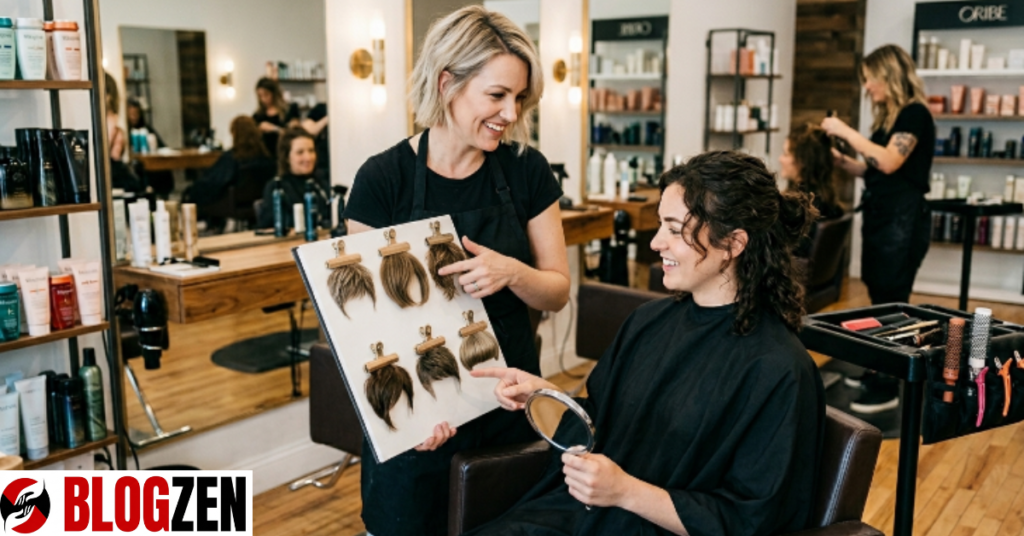
You see a picture of a textured pixie on a model with naturally wavy hair and think “I want that.” But your hair is stick-straight, and you hate using products. Then you get disappointed when the stylist says you’ll need to style it daily.
Fortunately, versatile hair extensions can easily bridge this gap by adding beautiful texture and body that holds its wave effortlessly without the need for constant product styling
Here’s what to do instead: bring a picture AND describe your actual hair texture to your stylist. Ask specifically: “How much styling will this require daily?” The answer should guide your choice, not your Pinterest board.
Mistake #2: Committing Too Quickly
One of the biggest differences between short hairstyles and long hair is the urgency of the decision. With long hair, you can change your mind and grow it out. With short hair, you’re waiting 6 months for it to get long again.
Most hairstylists recommend trying a shorter style gradually. Go to shoulder-length first. Then chin-length. Then commit to the pixie if you want. This prevents the “Oh my God, what did I do?” moment.
Mistake #3: Going to the Wrong Stylist
Not all stylists are good at short hair. Many actually prefer working with longer hair because it’s more forgiving. Before booking, look at the stylist’s portfolio specifically for short hairstyles. If 90% of their work is long hair, they might not be your person.
Mistake #4: Ignoring Your Lifestyle
A sleek blunt bob requires blow-drying and straightening. A French crop requires daily styling. A messy pixie requires texturizing product and finger-styling. If you don’t actually blow-dry or style your hair now, a short hairstyle that requires it will sit on your head looking sad.
Choose short hairstyles based on your actual daily routine, not the version of yourself you wish you were.
Expert Tips for Making Any Short Hairstyle Look Better
Invest in the Right Products
Short hair without product is just short hair. With product, it becomes a hairstyle. For textured short hair, you need a lightweight texturizing spray or sea salt spray. For sleek styles, a smoothing serum and light pomade. For tousled looks, a light wax or clay product.
The difference between a $60 haircut that looks mediocre and a $60 haircut that looks like a $200 cut is often just the right product.
Get Regular Trims
This is non-negotiable with short hairstyles. The growth between trims shows more dramatically than with longer hair. Book your trim every 4-6 weeks, depending on how fast your hair grows. Yes, this costs money and time. It’s also the difference between looking intentional and looking unkempt.
Style Your Short Hairstyle While It’s Slightly Damp
Short hair responds better to styling when it’s damp rather than soaking wet or completely dry. This is when it’s most pliable and will hold the shape you create.
Use a Texturizing Spray, Even on Straight Hair
Texture makes short hairstyles look fuller and more intentional. Even if you have naturally straight hair, a light spray will add volume and movement where you need it.
Consider Your Part Carefully
With short hair, your part becomes more visible and important. A side part softens angular faces. A center part emphasizes symmetry. No part (just texture) works for the casually tousled look. Experiment and see what feels right for your face.
Common Myths About Short Hairstyles (Debunked)
Myth #1: “Short Hair Makes You Look Masculine”
False. Hair length has nothing to do with gender presentation. What matters is the styling and the cut. A choppy, textured pixie styled with product can look feminine or androgynous depending on how you style it. The same cut blow-dried smooth looks different. Short hairstyles are for everyone.
Myth #2: “Short Hair Requires Less Maintenance”
Partially false. You’ll spend less time on daily styling, but you’ll spend more time getting regular trims. It’s a trade—less frequent washing and blow-drying for more frequent chair time. Whether this is “less maintenance” depends on your lifestyle.
Myth #3: “Short Hair Doesn’t Work If You Have Curly Hair”
Completely false. Curly hair often looks better shorter because curls are easier to define and style at shorter lengths. The key is finding a stylist who understands curly hair and can cut it properly. A bad curly haircut is bad at any length, but a good short cut for curly hair is incredible.
Myth #4: “You Need to Have a Small Face for Short Hair”
False. Face shape matters more than face size. People with larger faces can absolutely rock short hairstyles—they just need the right cut that works with their proportions.
Myth #5: “Short Hairstyles Are Low-Maintenance”
Only if you pick the right short hairstyle for you. A textured pixie is low-maintenance. A sleek blunt bob is not—it requires daily styling. Choose based on your actual lifestyle, not the assumption that short means easy.
How to Know If You’re Ready for a Short Hairstyle (Real Talk)
Let me be honest: short hairstyles are not for everyone, and that’s okay. Here are the questions to ask yourself:
Are you willing to get regular trims? If yes, proceed. If no, short hairstyles will look rough after 8 weeks of growth.
Do you have a decent stylist, or are you willing to find one? A $40 short haircut from someone who doesn’t know how to cut short hair will haunt you. A $120 cut from someone who specializes in short hair is worth every penny.
Are you okay with your face being visible? Short hair puts your face front and center. If you use long hair to hide parts of your face you don’t like, short hair requires a shift in that relationship.
Can you commit to some level of daily styling? Even “low-maintenance” short hairstyles need some product and intention. If you exclusively air-dry your hair and never use product, most short hairstyles will disappoint you.
Are you cutting it because it’s trendy, or because it genuinely appeals to you? This matters. Short hairstyles you choose because you love them always look better than short hairstyles you’re trying out because Instagram told you to.
If you answered yes to three or more of these questions, you’re ready. If you’re hesitant, try growing your hair out first and seeing how that feels. Sometimes the longing for a short hairstyle fades when you sit with it.
Your Short Hairstyle Action Plan
Here’s exactly what to do next:
- Identify your face shape and look at short hairstyles that work for that shape (scroll back to the “Science” section for your specific shape).
- Assess your actual daily routine. How much time are you willing to spend on hair daily? Be honest.
- Research stylists in your area who specialize in short hair. Look at their portfolios. Call and ask if they love cutting short hair.
- Bring reference photos to your consultation, but also have a conversation with your stylist about what will actually work for your hair and lifestyle.
- Commit to the timeline. If you’re going from long to short, consider doing it gradually. If you’re going all-in, book your first trim for 4 weeks after the cut.
- Invest in one good styling product based on your chosen hairstyle (texturizing spray, smoothing serum, or wax).
- Give it at least two weeks before deciding if you love it. Short hair feels weird for the first 10 days while you’re adjusting to how it looks and feels.
CONCLUSION
The best short hairstyle is the one that matches your face shape, hair texture, lifestyle, and personal style. There’s no universally perfect hairstyle for short hair—but there’s a perfect one for you.
The biggest takeaway: short hairstyles require more frequent trims but less daily styling time than longer hair. Whether that’s a win depends on your life. The second takeaway: face shape matters. Get a cut that works with your natural proportions, not against them. And the third: find a stylist who specializes in short hair and commit to them.
Short hair isn’t for everyone, and that’s genuinely okay. But if you’ve been curious, the truth is that today’s options are better and more inclusive than they’ve ever been. Whether it’s a textured pixie, a shaggy bob, or a sleek crop, there’s a short hairstyle waiting for you.
So here’s your real question: what’s holding you back from trying one? Is it commitment anxiety? Stylist trust? Fear of how it’ll look? Whatever it is, name it in the comments—because usually someone else is wondering the exact same thing.
FAQs
What is the easiest short hairstyle to maintain?
The shaggy or layered bob is genuinely the easiest short hairstyle to maintain because layers hide roots, uneven growth, and texture. You can wash and go without blow-drying, and it looks intentionally undone rather than unkempt. The trade-off: you do need a trim every 6-8 weeks to keep the layers defined. But for actual daily styling effort, it’s the clear winner. Pair it with a texturizing spray and you’re done in two minutes.
Can you have a short hairstyle if you have thick hair?
Absolutely, and thick hair often looks better in short hairstyles because the cut has texture to work with. The key is finding a stylist who understands how to cut thick hair—they’ll need to remove weight and create layers so the hairstyle doesn’t look bulky. A dense blunt bob on thick hair can look helmet-like, but a textured pixie or shaggy bob will look incredible. Discuss your hair thickness with your stylist during the consultation so they can cut accordingly.
How long does it take to grow out a short hairstyle?
Growing out a pixie cut typically takes 6-9 months to shoulder-length, depending on your hair growth rate and how frequently you trim to maintain shape during the grow-out. A short bob takes about 4-6 months to reach shoulder-length. The timeline depends on your hair growth rate and how patient you are with the awkward in-between phase. Most people find the grow-out period frustrating, which is why it’s important to be certain before cutting short.
What face shape looks best with short hairstyles?
All face shapes can wear short hairstyles—it’s about finding the right cut for your shape. Round faces need height and vertical lines (textured pixies, side-swept cuts). Square faces need soft, layered styles that break up angles (shaggy bobs, choppy pixies). Oval faces can wear almost anything bold (geometric bobs, undercuts, sleek crops). Heart-shaped faces need styles that don’t add volume at the crown (side-parted pixies, chin-length bobs). Oblong faces benefit from cuts that add width (fuller bobs, textured crops).
Should you cut your hair short if you have curly hair?
Yes, curly hair can absolutely have short hairstyles—often they look better short because curls are easier to define and manage at shorter lengths. The crucial factor is finding a stylist who understands curly hair and uses proper cutting techniques (dry cutting or texture-aware wet cutting). A bad curly cut will show every flaw at any length, but a good short cut for curls is stunning. Book a consultation with a curly-hair specialist before committing.
How often should you get a short hairstyle trimmed?
Every 4-6 weeks is the standard for most short hairstyles to maintain the shape and prevent overgrowth from making it look untidy. Pixies and undercuts need trims every 4 weeks because short layers grow out quickly and become shaggy. Bobs can sometimes stretch to 6-8 weeks, especially shaggy styles. If you skip trims, your short hairstyle will start looking like you’re in the grow-out phase rather than intentionally short. Regular trims are non-negotiable if you want to keep your short hairstyle looking sharp.
