


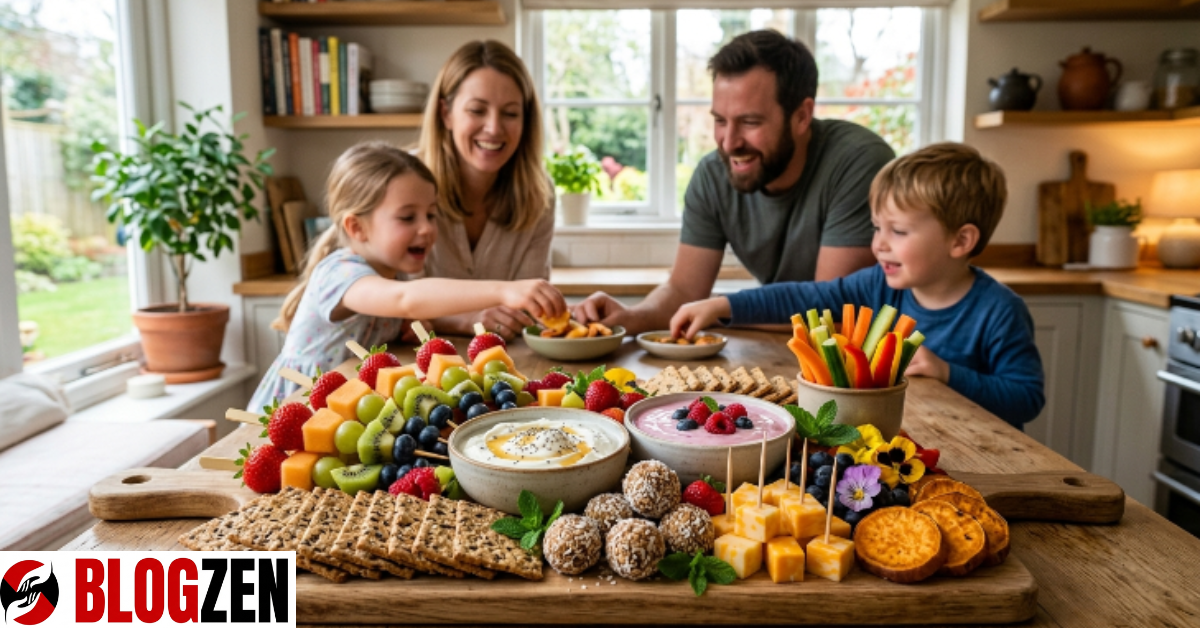
QUICK ANSWER
Need snacks fast? Easy snack recipes for kids can be made in under 5 minutes using basic ingredients. Forget complicated recipes—these 15 options use simple techniques, require no baking, and actually taste good to kids. Most parents discover one version and stick with it for months.
INTRODUCTION
Your 6-year-old runs in from school at 3:15 PM demanding food. Your toddler refuses lunch for the third day straight. You’re standing in the kitchen thinking, “How am I supposed to come up with something healthy and quick?” Here’s what nobody tells parents: the best easy snack recipes for kids aren’t complicated—they’re the opposite.
Most parents overcomplicate snacking. They buy expensive “kid snacks” from the store that cost $8 per box and often contain ingredients you can’t pronounce. Meanwhile, nutritionists and pediatric feeding experts use a simple principle: the easiest recipes are the ones kids will actually eat, parents can make without stress, and nutrition won’t apologize for.
In this guide, you’ll learn exactly what makes a snack recipe work for kids (and this isn’t what you think). You’ll discover 15 recipes that take 5 minutes or less. You’ll understand why certain combinations work while others fail spectacularly. And you’ll get the insider tricks that parents use to make healthy snacking automatic, not a daily battle.
Most importantly, you’ll stop feeling guilty about what your kids eat.
What Easy Snack Recipes for Kids Really Are (And Why It Matters Today)
Parents throw around the word “easy,” but it means different things. Easy for a chef isn’t easy for someone juggling three kids and a work deadline. A truly easy snack recipe has three non-negotiable qualities: it uses ingredients you already own, it takes less than 10 minutes total, and kids will actually eat it without negotiation.
Here’s what changed recently: families are busier than ever. The average parent now manages school pickups, extracurriculars, work emails, and dinner prep simultaneously. Store-bought snacks are convenient but expensive and often full of processing. Homemade snacks seem healthy but require time families don’t have. The gap creates stress.
That’s where these recipes live—in the middle ground. They’re genuinely fast. They taste good. Kids recognize the ingredients as actual food (which sounds obvious but matters more than you’d think). And they actually provide sustained energy instead of the blood-sugar spike-and-crash of ultra-processed options.
How Easy Snack Recipes for Kids Actually Work (The Science Behind Your 3 PM Lifeline)
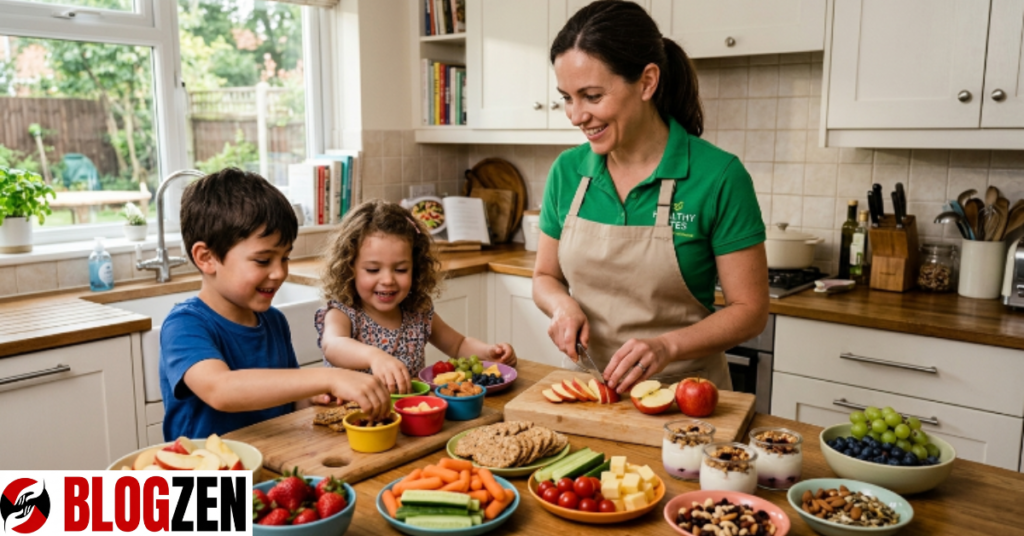
Nutritionists use one framework when building kid snacks: balance protein, healthy fat, and carbohydrates. This combination creates satiety—meaning kids stay full longer, demand fewer snacks, and have better afternoon focus in school.
Most popular kid snacks fail this test. A handful of crackers? Carbs only. String cheese alone? Protein but no carbs for energy. A granola bar that’s half sugar? Quick energy followed by a crash. But combine whole-grain crackers with cheese, or apple slices with almond butter, and something shifts. Kids are satisfied. Parents see it in their behavior.
The second principle is convenience for the person making it. If a recipe requires five steps, three bowls, and 15 minutes, you won’t make it tomorrow. You’ll buy the expensive snack pack instead. The recipes that stick are the ones where assembly time is under five minutes and cleanup is minimal.
Here’s what pediatric nutritionists actually recommend: focus on whole foods you can assemble rather than transform. This isn’t about complexity—it’s about working with how your brain actually functions when you’re tired at 4 PM.
Common Mistakes Parents Make With Easy Snack Recipes for Kids
Mistake #1: Assuming kids won’t eat anything “healthy.” Parents decide in advance their kid won’t eat whole-grain toast with almond butter, so they don’t offer it. The kid never gets the chance to develop the taste. Nutritionists call this the “pre-rejection trap.” Offer the option. Sometimes kids surprise you.
Mistake #2: Forgetting that protein makes snacks work. Parents give crackers and fruit, then wonder why their kid is hungry 30 minutes later. Protein slows digestion. Add a string cheese or yogurt, and suddenly that snack actually sustains energy. One parent discovered her “picky eater” would eat almonds with raisins—as long as she mixed them in a bowl first. Presentation mattered. Nutrition finally stuck.
Mistake #3: Buying “kid-friendly” versions of healthy snacks. Whole-wheat crackers for kids cost more than regular whole-wheat crackers. Yogurt marketed to kids has 8 grams of sugar per serving. Granola bars designed for kids are processed versions of real granola. You’re paying premium prices for less nutrition. Stick with the regular versions of whole foods.
Mistake #4: Making snacks a reward or punishment. When snacks become a behavioral tool (“Eat your vegetables and you’ll get apple slices”), kids start viewing healthy snacks as a special treat instead of normal food. Neutral, consistent snack availability removes this dynamic. Kids learn snacking is just… eating.
Expert Tips and Proven Strategies That Actually Reduce Snack Stress
Pro Tip #1: Prep a snack station once per week. Cut vegetables and fruits on Sunday. Store them in clear containers at eye level in the fridge. Kids can grab without asking. Parents don’t need to assemble anything. One mother cut her afternoon stress by 40% using this single change. “My kids grab what they need, I stop being the snack vending machine, and I actually have time to respond to work emails,” she told me.
Pro Tip #2: Use the “pair and freeze” method for grab-and-go options. Freeze whole grapes with Greek yogurt. Freeze berries with coconut oil. These become naturally sweet frozen treats that count as snacks. Kids think they’re getting dessert; parents know they’re getting antioxidants and probiotics. Freeze whole wheat pancakes with berries on top. Pop in the toaster oven when needed.
Pro Tip #3: Let kids choose from two pre-made options. Instead of “What snack do you want?” ask “Would you prefer apple slices with peanut butter or hummus with pita chips?” You control the options (both are nutritious), kids feel autonomy. Mealtime experts call this “structured choice,” and it works for snacking too.
Pro Tip #4: Store one “emergency snack” per child in each room. Your car, your diaper bag, your work desk. A small container of mixed nuts, dried fruit, or whole-grain crackers. You’ll never be caught without options. You won’t default to buying expensive snack packages at checkout.
Pro Tip #5: Make snack recipes visible and accessible. Kids are more likely to eat something if they helped make it or if they can see the finished product in the fridge. The “snack prep” becomes an activity. Kids get invested. They actually eat what they made.
The 15 Best Easy Snack Recipes for Kids (And Why Each One Works)
1. Apple Slices with Almond Butter
No recipe needed. Slice an apple. Add a spoon of almond butter. Done. Why it works: natural sweetness + protein + healthy fat. Kids eat it in 30 seconds, parents feel zero guilt.
2. Whole Grain Crackers with Cheese
Use quality whole-grain crackers (check the ingredient list—it should be simple). Add a slice of cheese or cheese cubes. This is your go-to snack because it requires zero cooking and mimics “junk snacks” kids already love.
3. Greek Yogurt with Berries
A bowl of Greek yogurt. A handful of blueberries or strawberries. Optional: small drizzle of honey or cinnamon. Protein here is real (15g per serving). Berries provide antioxidants. Kids eat it like a special treat.
4. Hummus with Pita Chips
Make or buy whole-wheat pita. Cut into triangles. Bake at 375°F for 8 minutes with light olive oil spray and salt. Cool completely. Serve with store-bought hummus. Parents love this because it’s sophisticated enough to feel real, simple enough to repeat daily.
5. Frozen Grapes
Wash grapes. Freeze in a single layer overnight. Serve frozen. Why this works: kids think it’s ice cream. It’s purely fruit. It’s harder to eat fast, so kids slow down naturally. It lasts in the mouth longer, creating satisfaction.
6. Peanut Butter Roll-Ups
Take one whole wheat tortilla. Spread 2 tablespoons peanut butter. Add banana slices. Roll tightly. Cut into bite-sized pieces. This is the texture kids love (soft, moldable) combined with sustaining nutrition. Make 4 at once, cover with plastic wrap, kids eat them throughout the afternoon.
7. Mini Cheese and Whole Grain Crackers (Make-Ahead)
Layer cheese slices between whole-grain crackers. Wrap individually in parchment paper. Refrigerate. Kids grab one anytime. It’s like a store-bought snack pack but made at home for half the cost.
8. Homemade Trail Mix
Combine equal parts unsalted almonds, dried cranberries, and dark chocolate chips (70% cacao or higher). Mix once. Store in airtight container. Kids can eat by the handful. The combination satisfies sweet cravings while providing real nutrition.
9. Whole Wheat Toast with Avocado
Toast one slice whole wheat bread. Mash ¼ avocado on top. Add pinch of sea salt. Optional: squeeze of lemon. This is fancy enough for parents to eat too. Rich texture satisfies. Healthy fat keeps kids full.
10. Egg Muffins (Make 12 at Once)
Whisk 12 eggs with ½ cup cheese and diced vegetables (peppers, spinach, tomatoes). Pour into muffin tins. Bake at 350°F for 20 minutes. Cool and refrigerate. Grab one anytime. This is advanced-level “easy”—you make them once, kids eat them all week.
11. Cucumber Slices with Cream Cheese and Dill
Slice cucumbers into rounds. Add thin layer of cream cheese. Sprinkle fresh dill (or dried). This works for kids who like savory. It’s refreshing. It’s unusual enough that kids get curious about trying it.
12. Ants on a Log (Celery, Almond Butter, Raisins)
Slice celery into 3-inch pieces. Spread almond butter in the middle. Top with raisins. Kids love this because it’s fun and has a story name. Parents love it because it’s pure whole foods.
13. Frozen Yogurt Bark
Spread Greek yogurt on a parchment-lined baking sheet. Add berries, granola, coconut flakes on top. Freeze 2 hours. Break into pieces. Store in freezer. Kids can grab one piece anytime. It tastes like a treat. It’s completely wholesome.
14. Sweet Potato Chips (Baked)
Slice a sweet potato thin with a vegetable peeler. Toss lightly with olive oil and cinnamon. Bake at 375°F for 15 minutes until crispy. Kids eat these like regular potato chips. You’ve replaced processed with whole food. Same texture, completely different nutrition.
15. Cottage Cheese Fruit Bowls
¼ cup cottage cheese (yes, most kids eat this when it’s in a bowl with fruit). Top with diced fruit of choice. Optional: tiny drizzle of honey. Cottage cheese is underrated—it’s pure protein, most kids accept it when paired with sweet fruit.
Step-By-Step: How to Build Your Own Easy Snack Recipe
Not every snack you make will match these 15. But if you understand the formula, you can build your own.
Step 1: Start with a base carbohydrate. Whole-grain bread, fruit, crackers, or vegetables. This provides energy.
Step 2: Add protein. Nuts, seeds, cheese, yogurt, eggs, or legumes. This creates satiation.
Step 3: Add healthy fat (if not already included). Olive oil, nuts, seeds, avocado, or nut butter. This slows digestion and increases satisfaction.
Step 4: Consider texture. Kids are texture-sensitive. Mix soft and crunchy, smooth and firm. This keeps kids engaged while eating.
Step 5: Taste it yourself first. Does it need salt? Citrus? Sweetness? Adults often underseasoned snacks thinking kids prefer bland food. Kids actually want real flavor. Season appropriately.
Step 6: Make it repeatable. Is this something you can assemble in under 5 minutes? Will the ingredients stay fresh in your kitchen? If yes, add it to rotation. If no, keep it for occasional weekend snacks.
What to Avoid: The Snacks That Undermine Your Goals
Skip the “100-calorie snack packs.” They train kids to think of snacking as portion-controlled, which eventually becomes unhealthy. Kids should learn to stop when satisfied, not when a package is empty.
Avoid snacks with more than 5 ingredients you don’t recognize. If the ingredient label reads like a chemistry experiment, your kid’s body has to work harder to process it. Stick with whole foods that don’t need ingredient labels.
Skip diet versions of snacks (“reduced-fat,” “sugar-free”). These usually replace removed fat or sugar with additives your kids don’t need. Stick to regular versions of healthy foods instead.
Avoid making snacking conditional. “Eat this snack and you can have dessert.” This reinforces hierarchy where wholesome food is a chore and sweet food is the reward. Neutral approach: snacks are simply eating.
Real-World Example: How the “Snack Station” Changed One Family’s Afternoon
Meet Sarah, a parent of four kids ages 3 to 9. Her afternoons were chaos: constant “I’m hungry” requests, no consistency, and $200+ monthly spent on convenient snacks. She implemented one change—a snack station.
Sunday evening, she spent 30 minutes prepping: cut cucumbers, carrots, peppers; washed and portioned berries; made cheese cubes; baked homemade crackers. All went into clear containers at fridge eye-level.
Monday-Friday, kids grabbed without asking. Sarah answered zero snack requests. Her stress dropped. The unexpected benefit: kids tried new vegetables because they were visible and accessible. Her 3-year-old ate raw peppers for the first time. Her oldest asked for seconds of hummus.
The cost? $40 in ingredients instead of $45 in packaged snacks. Time invested: 30 minutes. Time saved throughout the week: probably 2-3 hours. Sarah called it the “one change that made everything easier.”
Myths vs. Facts About Easy Snack Recipes for Kids
| Myth | Fact |
|---|---|
| Healthy snacks take longer to make | Most take under 5 minutes; store-bought snacks just feel faster because you don’t see prep time |
| Kids won’t eat healthy snacks | Kids eat what’s consistently available; if processed snacks disappear, kids adapt |
| Snacking ruins dinner appetite | Timed snacks 2-3 hours before dinner don’t impact main meals; kids’ stomachs work differently |
| “Natural” snacks are always healthy | Some “natural” snacks have as much sugar as candy; read labels regardless of marketing language |
| You need special kid snacks | Kids eat the same whole foods adults do; “kid versions” cost more and have less nutrition |
| Snacking is expensive | Homemade snacks cost half what packaged snacks cost; you just don’t pay at checkout |
Why Consistency Matters More Than Perfection
Parents get hung up on making “perfect” snacks. Every ingredient organic. Every recipe homemade. Every snack hitting exact nutritional targets. This approach burns out fast.
Here’s what actually works: consistency. The parent who offers the same five snacks repeatedly, without guilt, outperforms the parent trying 50 different recipes. Kids’ bodies adjust to what’s available. Their tastes develop. They stop demanding the processed option because it’s no longer an option.
One nutritionist told me: “Perfect snacking once a week is less effective than adequate snacking every single day.” This permission to do 80% instead of 100% changes everything. You actually stick with it.
CONCLUSION
Easy snack recipes for kids aren’t complicated because kids don’t want complicated. They want food that tastes good, arrives quickly, and doesn’t require negotiation. They want you relaxed, not stressed.
The three things that matter most: First, build a rotation of 5-7 snacks you’ll actually make. Don’t aim for 15 different recipes. Second, keep ingredients accessible—store snack prep ingredients at eye level, make assembly under 5 minutes. Third, stop aiming for perfection. A consistent snack of whole-grain crackers and cheese beats a perfect home-made energy bar you never actually prepare.
Start with the snack station this weekend. Pick three recipes from the 15 above. Make them Sunday evening. Watch what happens to your weekday stress and your kids’ afternoon behavior. One small change, repeated consistently, becomes the easiest parenting decision you’ll ever make.
Your turn: Which snack from this list will you try first? Comment below or share what snacks your family actually eats. The best snacks are the ones you’ll repeat—and that starts with finding what works for your house.
FAQs
How far in advance can I prep these snack recipes for kids?
Most snacks stay fresh 3-5 days when stored properly. Cut vegetables last longest in airtight containers with paper towels to absorb moisture. Baked items like chips last 4-5 days. Pre-made snack packs with wet components (yogurt) should be assembled fresh. Your best strategy: prep vegetables Sunday and Wednesday for a twice-weekly refresh. This is easier than weekly all-at-once prepping.
What’s the best easy snack recipe for picky eaters?
Start with texture. Picky eaters often respond to food based on how it feels in their mouth, not flavor. Frozen grapes, cheese cubes, and toast strips appeal to kids who are texture-sensitive. Involve the child in assembly—kids are more likely to eat something they physically helped create. One parent’s son refused all vegetables until she let him arrange cucumber slices on a plate himself. Participation changed everything.
Can I use store-bought hummus or should I make my own?
Store-bought hummus is perfectly fine and saves tremendous time. Check the ingredient list—it should contain chickpeas, tahini, lemon, garlic, and olive oil. That’s it. Skip versions with preservatives or additives. Quality store-bought hummus costs $3-4 per container and easily feeds a family for a week of snacks. Making hummus from scratch takes 10 minutes and costs $2-3, but only if you already own tahini and have dried chickpeas soaked. Unless you’re making hummus weekly, store-bought wins on consistency.
Are these easy snack recipes for kids suitable for allergies or dietary restrictions?
Absolutely. The framework (carb + protein + healthy fat) works for any diet. Swap peanut butter for sunflower seed butter if there’s an allergy. Use dairy-free yogurt for lactose intolerance. Skip gluten-based crackers for celiac disease. Replace eggs in egg muffins with mashed beans. The concept stays the same. You’re simply substituting ingredients. Always check labels on store-bought items like hummus or yogurt for hidden allergens.
How do I make snacking automatic so I’m not constantly thinking about it?
Create a visual snack list posted on your fridge listing all available options. Rotate which three snacks are accessible this week. Update Monday mornings. This removes decision-making from every single request. Kids learn what’s available. You stop being asked “Can I have…?” because the snacks are visible. Pair this with a weekly snack prep ritual (always Sunday evening, same time, same location). Routine becomes automatic. You stop thinking about it.
What’s the difference between a snack and a meal for kids?
A snack is 100-200 calories, includes at least two food groups, and arrives 2-3 hours before a main meal. A meal is 400-600+ calories and includes three food groups plus beverages. Most snacks from this article fall into the first category. The key: snacks should not eliminate appetite before dinner, but they should sustain energy between meals. If your child eats a “snack” and refuses dinner 30 minutes later, that wasn’t a snack—it was an unplanned meal. Timing and portion size matter more than the food itself.
