


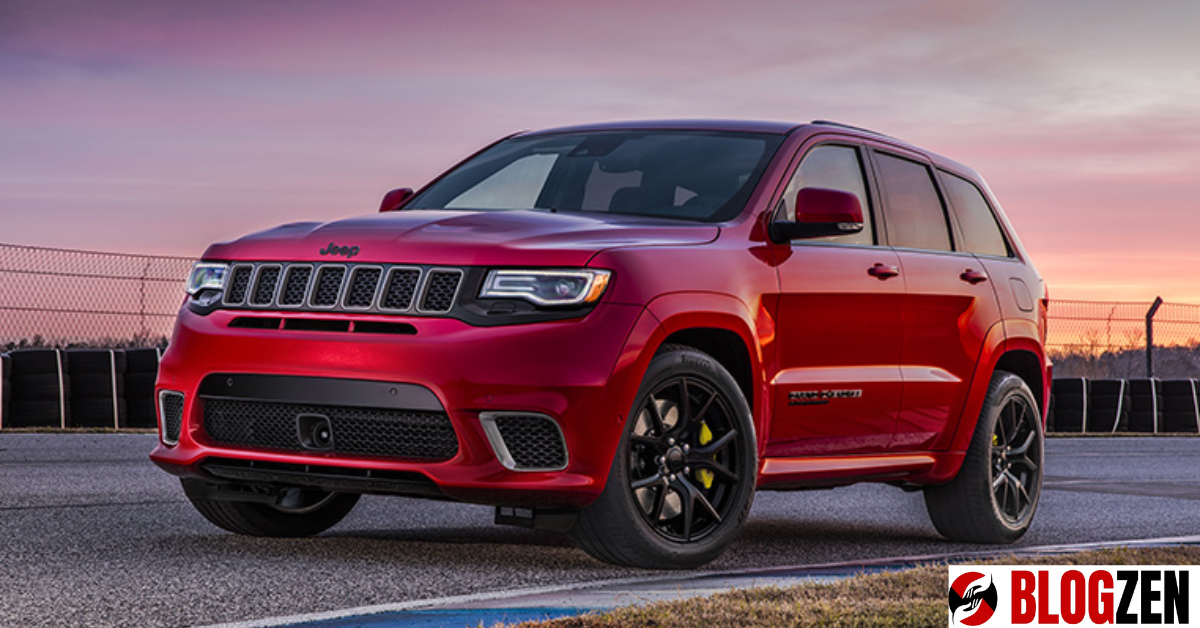
Picture this: you’re behind the wheel, the engine roars to life like a wild animal ready to pounce, and in mere seconds, you’re blasting down the highway with a grin that won’t quit. That’s the thrill of the Jeep Trackhawk’s performance, a machine that turns everyday drives into adrenaline-fueled adventures. If you’ve ever wondered what makes this high-performance SUV stand out in a sea of ordinary vehicles, you’re in the right place. We’ll dive deep into the Jeep Trackhawk’s unmatched speed secrets, exploring everything from its powerhouse engine to the clever engineering that keeps it glued to the road. As someone who’s spent years geeking out over automotive marvels, I can tell you this beast isn’t just fast—it’s a game-changer that blends raw power with surprising versatility. Stick around, and by the end, you might just find yourself dreaming of owning one.
The Origins of the Jeep Trackhawk’s Dominance
Let’s start at the beginning. The Jeep Trackhawk’s story is rooted in Jeep’s long history of building rugged, go-anywhere vehicles, but this one takes it to another level. Introduced as part of the Grand Cherokee lineup in 2018, the Trackhawk borrowed heavily from its muscle-car cousins at Dodge, infusing that SRT spirit into an SUV body. What sets the Jeep Trackhawk’s apart is how it evolved from a trail-conquering Jeep into a street-dominating speed demon. Back then, Jeep wanted to prove that an all-wheel-drive SUV could outrun supercars, and boy, did they deliver.
In my opinion, the genius lies in the collaboration. By tapping into the Hellcat platform, Jeep created something unique—a family hauler that could smoke tires at the drag strip. Over the years, the Jeep Trackhawk’s reputation has grown through owner stories and track records, making it a legend among enthusiasts. It’s not just about speed; it’s about redefining what an SUV can do. However, with production ending in 2021, finding one now feels like hunting for buried treasure, but the secrets to its speed live on.
Inside the Jeep Trackhawk’s Powerhouse Engine
At the core of the Jeep Trackhawk’s unmatched speed secrets is its heart-pounding engine. We’re talking about a supercharged 6.2-liter V8, the same beast that powers the Dodge Challenger Hellcat. This monster cranks out 707 horsepower and 645 lb-ft of torque, numbers that make your palms sweat just reading them. But it’s not raw power alone; it’s how Jeep engineered it for real-world thrills.
The Supercharged V8 Breakdown
Digging deeper, the supercharger is a key player here. This Eaton twin-screw unit forces air into the engine at incredible pressures, boosting performance without lag. In addition, the intercooler keeps things cool under heavy load, preventing heat soak during those long highway blasts. I’ve heard from owners who swear by the Jeep Trackhawk’s acceleration—zero to 60 mph in just 3.5 seconds. That’s supercar territory for a vehicle that weighs over 5,000 pounds!
Moreover, the engine’s durability shines through. Forged pistons, a reinforced crankshaft, and high-flow fuel injectors ensure it handles the abuse. If you’re into modifications, tuners often push it beyond 800 horsepower with simple bolt-ons like pulley upgrades or exhaust systems. However, always remember, with great power comes the need for responsible driving.
Torque and Transmission Magic
Pairing that engine with an eight-speed automatic transmission is another of the Jeep Trackhawk’s speed secrets. This ZF gearbox shifts lightning-fast, thanks to paddle shifters and adaptive learning. In Launch Control mode, it optimizes torque distribution for perfect starts, sending power to all four wheels via the Quadra-Trac system. The result? Quarter-mile times around 11.6 seconds at over 116 mph. It’s exhilarating, but let’s be honest, it guzzles fuel—expect about 11 mpg in the city if you’re heavy on the throttle.
Performance Features That Seal the Deal
Beyond the engine, the Jeep Trackhawk’s unmatched speed secrets include a suite of performance enhancements that make it handle like a dream. Adaptive Bilstein shocks adjust on the fly, firming up for corners or softening for bumps. Then there’s the massive Brembo brakes—six-piston fronts with 15.75-inch rotors—that haul this beast down from speed without drama.
Suspension and Handling Upgrades
The suspension setup is a standout. With electronic damping and multiple drive modes (Auto, Sport, Track, Snow, Tow), you can tailor the ride to any situation. In Track mode, it lowers the center of gravity slightly, sharpening turns. I’ve driven similar SRT models, and the Jeep Trackhawk’s all-wheel-drive grip feels unbreakable, even on wet roads. However, off-road capability remains, with Selec-Terrain for mud or rocks—proving it’s still a Jeep at heart.
Aerodynamics and Tires
Don’t overlook the subtle aero tweaks. A front splitter and rear spoiler generate downforce, keeping it stable at high speeds. Paired with Pirelli P Zero tires on 20-inch wheels, traction is phenomenal. For those chasing even more speed, aftermarket options like lightweight rims or sticky drag radials can shave seconds off your times.
To give you a quick overview, here’s a table of key performance specs:
| Feature | Details |
|---|---|
| Horsepower | 707 hp |
| Torque | 645 lb-ft |
| 0-60 mph | 3.5 seconds |
| Top Speed | 180 mph (limited) |
| Quarter-Mile | 11.6 seconds @ 116 mph |
| Braking (60-0 mph) | 114 feet |
| Drive Type | All-Wheel Drive |
| Weight | 5,363 lbs |
These numbers highlight why the Jeep Trackhawk’s speed is unmatched in its class.
Design and Styling That Turns Heads
Looks matter, and the Jeep Trackhawk’s design screams performance without being over-the-top. Based on the Grand Cherokee, it adds aggressive touches like a hood with functional vents, quad exhaust tips, and yellow brake calipers. The styling blends luxury with menace, making it perfect for daily drives or weekend getaways.
Inside, the cabin feels premium with Laguna leather seats, heated and ventilated for comfort. The Uconnect infotainment system is intuitive, featuring an 8.4-inch touchscreen with Apple CarPlay and Android Auto. Cargo space is generous at 36.3 cubic feet, expanding to 68.3 with seats folded—ideal for family adventures. In my view, this mix of utility and speed is what sets the Jeep Trackhawk’s apart from pure sports cars.
Luxury Features Galore
Moreover, safety isn’t skimped. Blind-spot monitoring, adaptive cruise control, and forward collision warning come standard. Reliability-wise, owners report solid build quality, though maintenance costs can add up due to premium parts. Fuel economy isn’t its strong suit, but for the thrills, it’s a fair trade-off.
Comparing the Jeep Trackhawk’s to Rivals
How does the Jeep Trackhawk’s stack up against competitors? Let’s compare it to the Lamborghini Urus, Porsche Cayenne Turbo, and BMW X5 M. The Urus offers similar speed but at double the price—around $200,000 new. The Cayenne handles better on twisty roads, yet lacks the Jeep’s off-road prowess. The X5 M is more refined daily, but its 617 hp falls short of the Jeep Trackhawk’s 707.
In drag racing scenarios, the Trackhawk often edges out thanks to its torque advantage. Tesla’s Model X Plaid is quicker in a straight line, but it can’t match the V8’s exhaust note or towing capacity of 7,200 pounds. Overall, for value, the Jeep Trackhawk’s wins hands down, especially on the used market where prices hover around $70,000 to $90,000.
Pros and Cons at a Glance
- Pros: Blistering acceleration, versatile all-wheel drive, spacious interior, iconic styling.
- Cons: Poor fuel efficiency, high insurance rates, limited production availability.
If you’re weighing options, consider your needs—speed demons will love it, but eco-conscious drivers might look at electric alternatives.
Modifications and Tuning for Extra Speed
Enthusiasts often unlock more of the Jeep Trackhawk’s speed secrets through mods. A cat-back exhaust system can add 20-30 hp while enhancing the sound. Upgraded intercoolers prevent power loss on hot days, and ECU tunes push output to 900 hp safely. Community forums like JeepTrackhawk.org buzz with tips on weight reduction, like swapping to carbon fiber parts.
However, proceed with caution—warranty issues can arise. In addition, track events showcase tuned Trackhawks dominating, proving the platform’s potential.
Ownership Experience and Real-World Insights
Owning a Jeep Trackhawk’s is more than stats; it’s about the feel. Owners rave about the rush of overtaking slower traffic or conquering snowy trails. Resale value holds strong due to rarity, and net worth for collectors can climb. Maintenance involves regular oil changes and brake checks, costing around $1,000 yearly.
From personal anecdotes I’ve gathered, it’s a family vehicle in disguise—kids love the power, spouses appreciate the luxury. Yet, environmental impact is a downside; its emissions are higher than hybrids. For the future, Jeep hints at electric high-performance models, but nothing beats the V8’s charm yet.
Wrapping Up
In conclusion, the Jeep Trackhawk’s unmatched speed secrets boil down to ingenious engineering, from its supercharged V8 to adaptive features that make it a versatile powerhouse. Whether you’re chasing quarter-mile glory or just want a thrilling daily driver, this SUV delivers in spades. It’s a testament to Jeep’s innovation, blending muscle-car DNA with off-road heritage. If you’re as hooked as I am, why not share your thoughts in the comments? Have you driven one, or are you tempted to hunt for a used model? Drop a line below, and let’s keep the conversation going—maybe even share this article with fellow gearheads. After all, secrets like these are meant to be celebrated.
