


Quick Answer
Yellow stone types include citrine, yellow topaz, yellow sapphire, yellow jasper, and sulfur quartz. Each forms differently, carries different value, and suits different uses — from jewelry to healing crystals to home décor. Knowing the difference helps you avoid overpaying for a fake or mismatched stone.
Ever picked up a sunny yellow stone at a market stall and wondered if it was worth $5 or $500? You’re not alone. Most people can’t tell a genuine citrine from a heat-treated quartz, and sellers know it.
That’s exactly why understanding yellow stone types matters more than people think. This isn’t just a gemstone niche topic — it touches jewelry buyers, crystal collectors, interior designers, and even geology students trying to identify rock samples.
In this guide, you’ll learn what actually separates one yellow stone from another, how experts test authenticity, the mistakes buyers make constantly, and how to choose the right stone for your purpose — whether that’s an engagement ring or a shelf display piece.
What Are Yellow Stone Types and Why They Matter Today
Yellow stones aren’t one single mineral — they’re a whole family of different materials that just happen to share a color. This is the single biggest misconception buyers have.
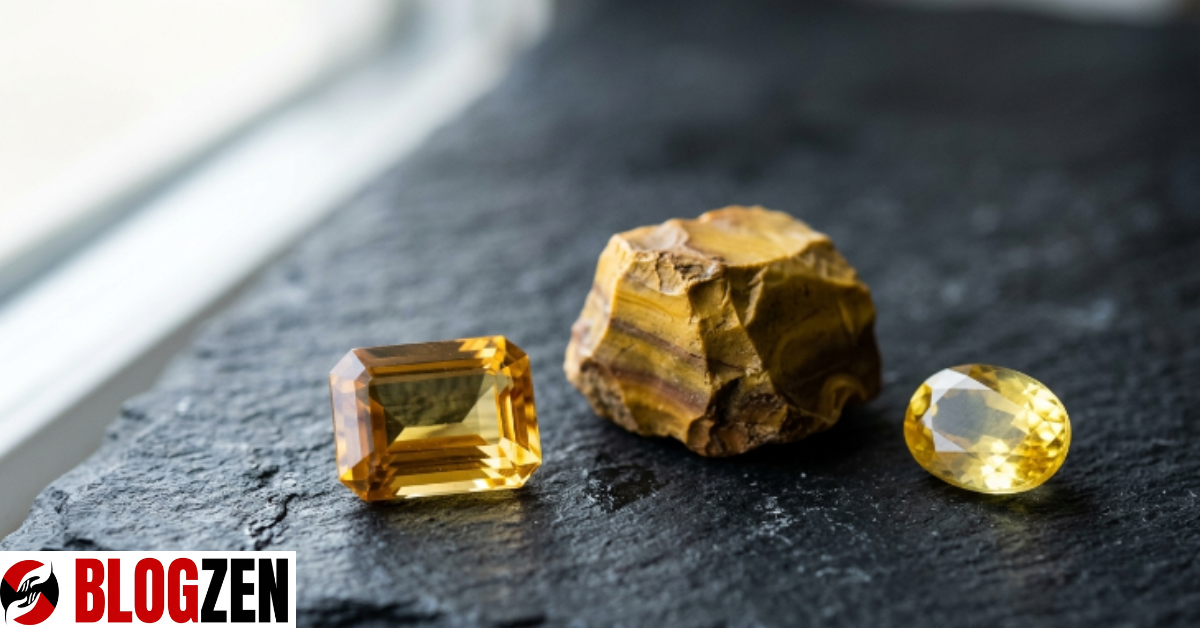
Citrine, yellow sapphire, yellow topaz, amber, and yellow jasper all look somewhat similar under bad lighting. But they come from completely different mineral groups, form under different geological conditions, and carry wildly different price tags. A yellow sapphire can cost thousands per carat. A piece of yellow jasper might cost less than a coffee.
Here’s what nobody tells you: color alone tells you almost nothing about a stone’s identity or value. Two stones can look identical and be worlds apart in composition, hardness, and rarity.
This matters today more than ever because online marketplaces have exploded with mislabeled listings. Buyers searching for yellow gemstones often get lured by photos alone, without understanding what they’re actually purchasing.
How Yellow Stone Types Actually Form (Deep Explanation)
Let’s explain why this matters at the geological level. Most yellow coloring in stones comes from trace elements or structural changes during formation — not from the base mineral itself.
Citrine, for example, is simply quartz that picked up iron impurities during crystallization, or was heat-treated afterward to turn purple amethyst into a golden hue. Yellow sapphire, on the other hand, is corundum with trace amounts of iron and titanium, formed deep in metamorphic rock under extreme pressure.
The Three Formation Paths
Think of it this way — yellow stones generally form through one of three routes:
- Natural trace-element coloring during crystal growth (yellow sapphire, yellow beryl)
- Heat treatment of another mineral (most commercial citrine)
- Organic or sedimentary processes (amber, some yellow jasper)
The truth is, almost 90% of citrine sold commercially today is heat-treated amethyst or smoky quartz, not natural citrine. Natural citrine is actually quite rare, which surprises most buyers.
Common Mistakes People Make With Yellow Stone Types
Most people get this completely wrong when they start shopping for yellow stones. They assume price reflects rarity, or that a certificate automatically means “natural.”
Here are the errors that cost buyers the most money:
- Assuming all “citrine” is natural, when most is treated quartz
- Buying yellow glass or synthetic sapphire mistaken for the real mineral
- Trusting seller descriptions without requesting a gemological report
The biggest mistake is skipping independent verification. A $50 lab certificate can save you from a $2,000 mistake, yet most casual buyers never ask for one.
Another mistake worth mentioning: assuming hardness equals durability in daily wear. Yellow jasper, for instance, is durable enough for jewelry but lacks the brilliance buyers expect from a “gemstone,” leading to disappointment after purchase.
Expert Tips and Proven Strategies for Buying Yellow Stones
Experts don’t just look at color — they check light behavior, hardness, and origin documentation together. Here’s what jewelers actually do before recommending a stone.
Pro Tip: Hold the stone under natural daylight, not store lighting. Treated stones often show unnatural uniformity in color, while natural stones display subtle zoning or slight color variation.
Professionals also test hardness using the Mohs scale as a quick sanity check. Yellow sapphire scores a 9, quartz-based citrine scores 7, and jasper sits around 6.5 to 7. If a seller claims “sapphire” but the stone scratches easily, that’s a red flag.
Quick Verification Checklist
- Ask for a gemological lab certificate (GIA, IGI, or equivalent)
- Compare price against average market rates for that specific mineral
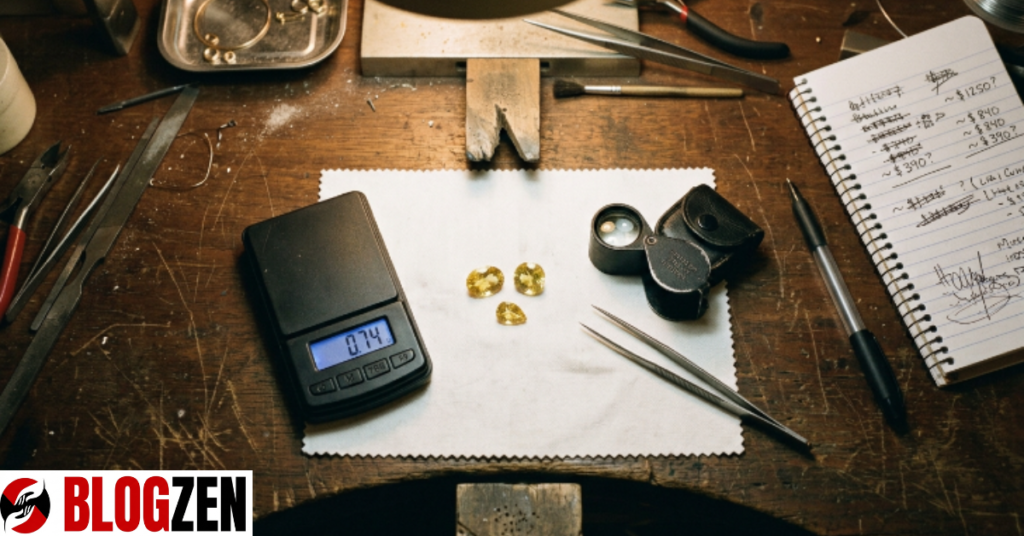
- Check for consistent color zoning under magnification
Buyers who follow this process rarely get scammed, because sellers offering questionable stones usually avoid providing documentation altogether.
Real-World Examples: Yellow Stone Types in the Market
Let me explain why real cases matter more than theory here. A 2023 industry report noted that heat-treated citrine made up the vast majority of “citrine” jewelry sold in mass retail chains, while natural citrine remained a specialty item sold mostly through certified dealers.
Compare that to yellow sapphire, where even small carats command premium prices because natural, untreated stones are genuinely scarce. A one-carat natural yellow sapphire can retail for several hundred to a few thousand dollars, depending on clarity and origin — often Sri Lanka or Madagascar.
Yellow jasper tells a different story entirely. It’s abundant, affordable, and popular in décor and casual jewelry rather than fine gemstone settings. This is a case where lower cost doesn’t mean lower quality — it just means a different purpose.
| Stone Type | Typical Price Range | Hardness (Mohs) | Common Use |
|---|---|---|---|
| Yellow Sapphire | $300–$3,000+/carat | 9 | Fine jewelry |
| Natural Citrine | $10–$50/carat | 7 | Jewelry, collector pieces |
| Treated Citrine | $1–$10/carat | 7 | Mass-market jewelry |
| Yellow Jasper | Under $5/piece | 6.5–7 | Décor, casual jewelry |
Step-by-Step Guide to Choosing the Right Yellow Stone
Here’s how to actually apply everything above when you’re ready to buy.
- Define your purpose first — jewelry, collection, or décor changes what matters most.
- Set a realistic budget based on the price table above, not guesswork.
- Request documentation from the seller before paying anything.
- Compare under multiple lighting conditions to check for consistency.
- Confirm return policy in case lab testing later reveals a mismatch.
Think of it this way: buying a yellow stone without this process is like buying a used car without checking the engine. The color might look perfect, but that tells you nothing about what’s underneath.
Myths vs Facts About Yellow Stone Types
There’s a lot of misinformation floating around, especially online. Let’s separate what’s actually true.
Myth: All yellow gemstones are citrine.
Fact: Citrine is just one of several distinct yellow stone types, alongside sapphire, topaz, and jasper.
Myth: Heat-treated stones are fake.
Fact: Heat treatment is industry-standard and doesn’t make a stone synthetic — it simply alters natural color through controlled processing.
Myth: Expensive always means natural.
Fact: Price varies by seller markup as much as by authenticity, which is why certification matters more than price alone.
Understanding yellow stone types comes down to three things: knowing they’re different minerals entirely, verifying authenticity before buying, and matching the stone to your actual purpose. Skip any one of these steps, and you risk overpaying or ending up disappointed.
So next time you spot a golden stone that catches your eye, ask yourself: do I know what I’m actually looking at? If not, use the checklist above before reaching for your wallet.
What yellow stone are you trying to identify or buy right now? Drop it in the comments — happy to help you figure out what you’re dealing with.
FAQs
What is the most valuable yellow stone type?
Natural yellow sapphire typically holds the highest value among yellow stone types, especially untreated specimens from Sri Lanka or Madagascar. Its rarity, hardness of 9 on the Mohs scale, and demand in fine jewelry push prices well above citrine or jasper. Treated stones, even sapphire-adjacent ones, sell for a fraction of natural, certified pieces.
How can I tell if my yellow stone is real citrine?
Genuine citrine shows subtle color zoning and slightly uneven tone under magnification, unlike the uniform color of dyed glass or synthetic imitations. A few practical checks include: 1) testing hardness against a steel blade (citrine resists scratching), 2) checking for included natural inclusions, and 3) requesting a lab certificate before purchase.
Is yellow topaz the same as citrine?
No — yellow topaz and citrine are entirely different minerals despite similar coloring. Topaz has a hardness of 8 and a different crystal structure, while citrine is a quartz variety at hardness 7. Sellers sometimes mislabel one for the other, so checking hardness or requesting certification helps confirm which stone you actually have.
Why do sellers heat-treat quartz to make citrine?
Heat treatment converts amethyst or smoky quartz into a golden citrine color because natural citrine is genuinely rare in nature. This process is standard across the gem industry and isn’t considered deceptive as long as it’s disclosed. Most citrine sold commercially today, including in major retail chains, has been treated this way.
What’s the difference between yellow jasper and yellow sapphire?
Yellow jasper is an opaque, abundant sedimentary stone often used in casual jewelry and décor, while yellow sapphire is a rare, transparent corundum mineral used in fine jewelry. Their price difference reflects rarity and hardness — jasper costs under a few dollars per piece, while sapphire can reach thousands per carat.
Do yellow stone types have any meaning in crystal healing practices?
Many yellow stones, including citrine and yellow jasper, are associated in crystal healing circles with themes like confidence and mental clarity, though these claims aren’t scientifically validated. This is a belief-based use rather than a mineralogical property. If you’re buying for this purpose, focus on affordability and appearance rather than certification.
