


Quick Answer
Cocktail attire for women means a knee-length or midi dress, refined fabric (silk, crepe, satin, lace), heeled shoes, and light jewelry. It sits between casual and black-tie — dressy enough for an evening event but not full formal wear.
Most women get a cocktail attire invite and panic. Is it a maxi dress? A jumpsuit? Something with sequins? Here’s what nobody tells you — the dress code isn’t actually vague, it’s just poorly explained everywhere else online.
Cocktail attire for women is one of the most searched dress codes because it sits in a gray zone. It’s not a wedding gown. It’s not jeans-and-blazer casual either. It’s a specific formality level with rules that, once you know them, take the guesswork out completely.
This article breaks down exactly what counts, what doesn’t, where people go wrong, and how to build a look that fits any cocktail event — from a work gala to a Saturday wedding reception.
What Is Cocktail Attire for Women (And Why It Still Confuses Everyone)
Cocktail attire sits right in the middle of the formality scale. Think of it this way: black-tie is a full evening gown, business casual is a blouse and trousers, and cocktail attire lands squarely between the two.
The dress code emerged from mid-20th-century evening parties where guests needed something polished but not stiff. Today it shows up on wedding invites, holiday parties, and corporate galas. The confusion happens because “cocktail” describes an event style, not a strict uniform.
That’s exactly why so many women overthink it. A cocktail dress can be sleek and simple or bold and beaded — the fabric and cut matter more than the color or print. Once you understand that flexibility, the dress code stops feeling like a trap.
How Cocktail Attire for Women Actually Works
Let me explain why this matters: cocktail attire isn’t about one dress style — it’s about three factors working together. Length, fabric, and finish.
Length is usually knee-length to just below the knee, though a tea-length or midi cut is increasingly accepted. Fabric should feel elevated — silk, satin, crepe, velvet, or structured lace rather than cotton or jersey. Finish means the details: a clean hem, tailored fit, and minimal wrinkling.
Pro Tip: If you’re unsure whether a dress qualifies, ask yourself if you’d wear it to a casual lunch. If the answer is yes, it’s probably too casual for cocktail attire.
Shoes and accessories complete the formula. Heels — block, kitten, or stiletto — are standard, and jewelry should be polished but not overwhelming. A clutch, not a tote, finishes the picture.
Common Mistakes People Make With Cocktail Attire
Most people get this completely wrong in one of three ways, and it usually comes down to misjudging formality in either direction.
- Wearing a full-length gown, which reads as black-tie and can feel out of place
- Choosing something too casual, like a sundress or jersey-fabric wrap dress
- Ignoring the venue and season, wearing summer fabrics to a winter evening event
The truth is, cocktail attire mistakes rarely come from bad taste — they come from misreading the formality gap. A floor-length gown at a rooftop cocktail hour looks just as mismatched as flip-flops would.
Another overlooked mistake is over-accessorizing. Piling on statement jewelry, a bold clutch, and heavy makeup all at once can push a simple, elegant dress into costume territory.
Expert Tips and Proven Styling Strategies
Think of cocktail attire as a formula you can adjust, not a fixed outfit. Once you know the base rules, styling becomes easy.
Start with a solid-color or subtly patterned dress in a structured fabric. Add a blazer or shawl if the venue runs cold, and choose shoes that match the dress’s formality rather than your comfort level alone. Neutral or jewel-tone colors photograph best for evening events.
Pro Tip: Keep one “cocktail-ready” dress in your closet at all times — a simple sheath in navy or black works for almost every invite without needing new shopping.
For daytime cocktail events, lighter fabrics and pastel tones work better than deep jewel tones, which read more evening-appropriate.
Real-World Examples of Cocktail Attire in Action

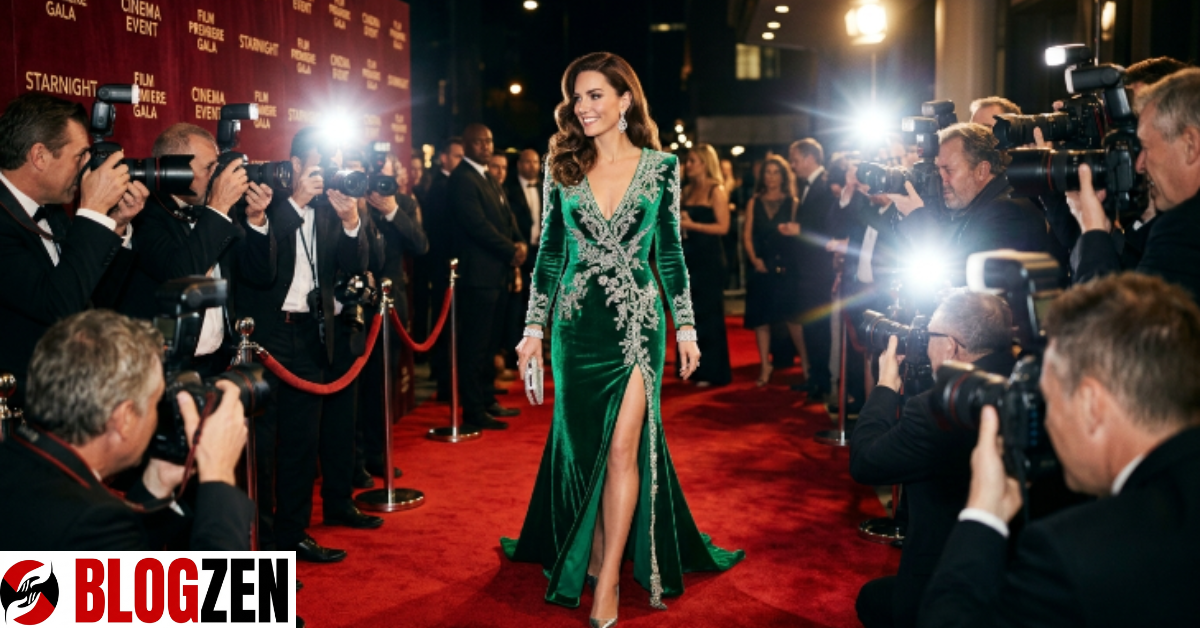
A corporate holiday party usually calls for a fitted midi dress in a rich color like emerald or burgundy, paired with block heels for standing comfort. A wedding reception invite marked “cocktail attire” typically works best with a knee-length dress in soft metallics or florals, since it’s festive without competing with the bride.
A charity gala, on the other hand, often leans slightly more formal — think a longer hemline, richer fabric, and statement earrings. The event type shifts the formality dial even within the same dress code.
This is where reading the invitation context matters as much as the dress code itself. A daytime cocktail brunch and an evening cocktail reception can call for noticeably different color palettes and fabric weights.
Step-by-Step Guide to Building Your Cocktail Look
Here’s what nobody tells you — building a cocktail outfit is a five-step process, not a single purchase decision.
- Pick your dress length (knee-length to midi is safest)
- Choose an elevated fabric (silk, crepe, satin, or structured lace)
- Match shoes to formality (heels, not flats or sneakers)
- Add one statement accessory, not several
- Bring a light layer for temperature or venue changes
Pro Tip: Try your full outfit — dress, shoes, and jewelry — under evening lighting before the event. Colors and fabrics look different under warm indoor light than daylight.
Following this order prevents the most common trap: buying the dress first and scrambling to match shoes and accessories at the last minute.
Cocktail Attire Myths vs Facts
| Myth | Fact |
|---|---|
| Cocktail attire means any short dress | It requires elevated fabric and finish, not just length |
| Black is the only safe color | Jewel tones and metallics are equally appropriate |
| Flats are acceptable | Heels are the expected standard unless stated otherwise |
| Jumpsuits don’t count | A tailored, elegant jumpsuit is widely accepted today |
The truth is, cocktail attire has loosened over the last decade. Jumpsuits, wide-leg silk trousers with a fitted top, and even elegant separates now count as cocktail attire for women, as long as the fabric and fit match the formality level.
What to Avoid
Avoid anything with visible logos, athletic fabrics, or overly casual cuts like maxi sundresses. Steer clear of sequins head-to-toe unless the invite specifically says “festive” or “dressy cocktail” — full sparkle can tip into costume territory fast.
Also skip loud prints paired with statement jewelry at the same time; pick one focal point per outfit. This one adjustment alone fixes most cocktail attire missteps instantly.
Conclusion
Cocktail attire for women isn’t a mystery once you break it down: knee-length to midi hemlines, elevated fabric, heeled shoes, and one standout accessory. Get those four elements right, and you’ll fit any cocktail event without overthinking it.
Skip the panic-shopping next time an invite says “cocktail attire.” Build from your closet basics first, then fill gaps with a single versatile piece. What’s the trickiest cocktail invite you’ve had to dress for? Drop it in the comments — there’s likely a simple fix.
Related read: [Internal Link Suggestion: “Formal vs Semi-Formal Dress Code Explained”]
Dress smart, not stressed — the invite is easier to crack than it looks.
FAQs
What is considered cocktail attire for a woman?
Cocktail attire for a woman typically means a knee-length to midi dress in an elevated fabric like silk, satin, or crepe, paired with heels and understated jewelry. Structured jumpsuits and tailored separates now count too, as long as the fit and fabric match evening formality rather than daytime casual wear.
Can you wear pants for cocktail attire?
Yes, tailored wide-leg trousers or a jumpsuit in silk or crepe fabric are acceptable cocktail attire for women. The key is structure and fabric quality over the traditional dress-only rule. Avoid casual cotton or denim styles, since these read as too relaxed for the dress code regardless of fit.
Is cocktail attire the same as semi-formal?
They overlap but aren’t identical. Cocktail attire usually skews slightly more polished than semi-formal, with a stronger emphasis on heels and elevated fabric. Semi-formal allows a bit more flexibility with midi skirts and blouses, while cocktail attire leans toward one cohesive dress or jumpsuit look.
What length dress is appropriate for cocktail attire?
Knee-length to just below the knee is the safest choice, though midi lengths are increasingly common. Floor-length gowns typically read as black-tie rather than cocktail. A helpful checklist: 1) hits at or just below the knee, 2) allows easy movement, 3) doesn’t require constant adjusting while standing or dancing.
What shoes go with cocktail attire for women?
Heeled shoes are the standard — block heels, kitten heels, or stilettos all work depending on comfort and venue. Flats or sneakers generally clash with the formality level, even with an otherwise perfect dress. Metallic or nude heels are the most versatile choice across different dress colors.
What colors work best for cocktail attire?
Jewel tones like emerald, burgundy, and navy photograph well for evening cocktail events, while metallics and softer pastels suit daytime cocktail gatherings. Black remains a safe universal option. Bold prints work too, as long as accessories stay minimal to avoid competing with the pattern. VISIT BLOGZEN
