


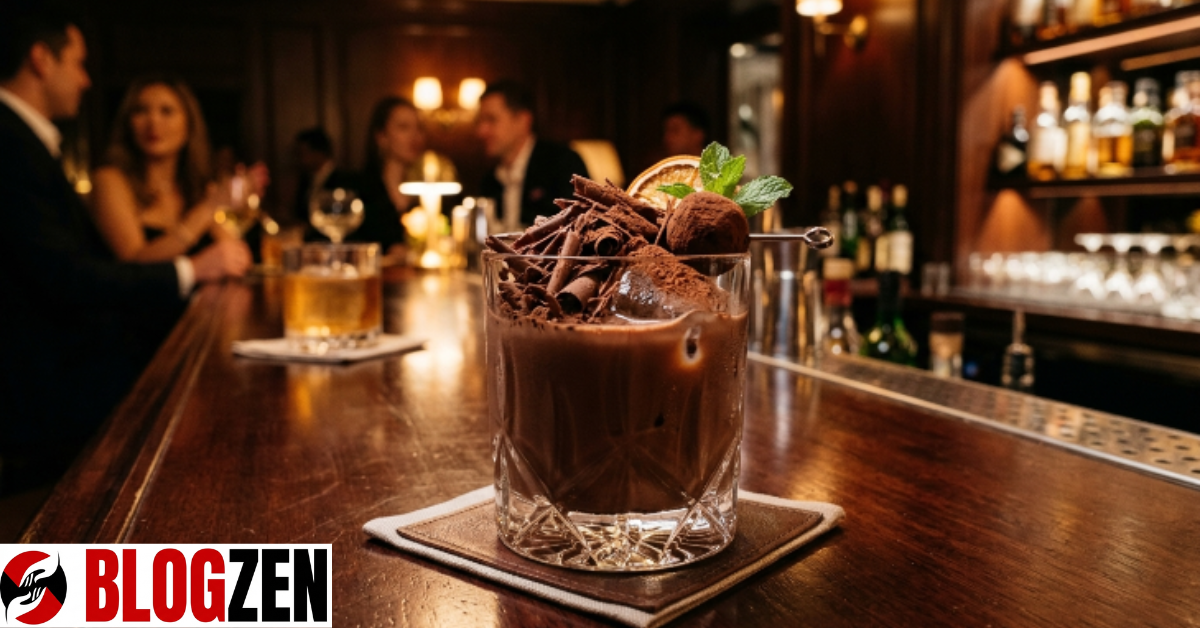
Quick Answer
A chocolate alcohol drink blends cocoa or chocolate flavoring with a spirit base like vodka, whiskey, or rum. Popular options include chocolate liqueurs, cream-based drinks, and cocktail mixes. Quality depends on cocoa content, sugar balance, and how it’s served—chilled, over ice, or in a cocktail.
Most people grab the first chocolate liqueur bottle they see and end up disappointed. That’s the honest truth about this category—it’s flooded with sugary, artificial-tasting products marketed as premium. A good chocolate alcohol drink should taste like actual chocolate, not chocolate-flavored cough syrup.
Here’s what you’ll get from this guide: how these drinks are actually made, which types are worth your money, mistakes to avoid, and how to serve them properly. Whether you’re picking a gift, planning a dessert cocktail, or just curious why some bottles cost triple the price of others, you’re about to understand exactly what separates the good stuff from the bad.
What Is a Chocolate Alcohol Drink and Why It Matters Today
A chocolate alcohol drink is any beverage combining a spirit or wine base with real cocoa, chocolate extract, or chocolate flavoring. This includes liqueurs, cream liqueurs, chocolate wine, and flavored vodka or whiskey.
The category has grown fast. Dessert-inspired cocktails and after-dinner drinks are trending heavily on social media, and chocolate is one of the most requested flavors in craft cocktail bars right now. Bartenders report chocolate-based drinks selling especially well during colder months and holiday seasons.
The main reason it matters: not all “chocolate” drinks contain real chocolate. Many use synthetic flavoring, which is cheaper but noticeably different in taste and mouthfeel. Reading the label before buying saves you from a disappointing pour.
How Chocolate Alcohol Drinks Actually Work
Let me explain why this matters: the production method determines everything about taste, texture, and price. Real cocoa-based liqueurs go through a maceration process, where cocoa nibs or chocolate solids sit in alcohol for weeks to extract flavor naturally.
Cream-based versions, like a chocolate cream liqueur, add dairy or a dairy alternative for that thick, dessert-like texture. This is why they’re often served chilled or over ice—the cold keeps the cream stable and prevents separation.
Pro Tip: Shake cream-based chocolate liqueurs gently before pouring. Natural separation is normal and doesn’t mean the product has spoiled.
Cheaper brands skip maceration entirely and just add cocoa flavoring to a neutral spirit base. The difference in taste is significant—real cocoa has bitterness and depth, while synthetic versions tend to taste flat and overly sweet.
Common Mistakes People Make With Chocolate Alcohol Drinks
Most people get this completely wrong: they store these drinks like regular liquor. Cream-based chocolate liqueurs need refrigeration after opening, unlike whiskey or vodka, which stay stable at room temperature.
Another frequent error is over-mixing. A quality chocolate liqueur doesn’t need five other ingredients drowning it out. Simple pairings—coffee, a splash of cream, or neat over ice—let the chocolate actually come through.
- Storing cream liqueurs unrefrigerated after opening
- Mixing with strong flavors that overpower the chocolate
- Buying based on packaging instead of ingredient lists
People also assume higher price always means better quality. That’s not always true—some mid-range brands use real cocoa while certain premium-priced bottles rely on flavoring and clever marketing.
Expert Tips and Proven Strategies for Choosing One
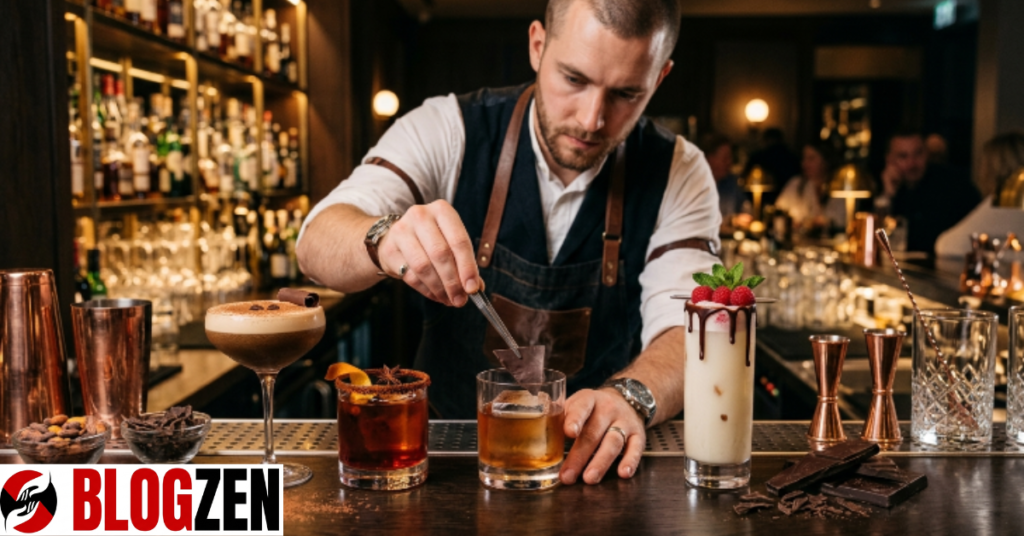
Think of it this way: buying a chocolate alcohol drink is a lot like buying chocolate itself. Check the ingredient list first. If cocoa or cacao appears near the top, you’re likely getting genuine flavor.
Match the drink to its purpose. A dark chocolate liqueur with higher cocoa content works well for sipping neat after dinner. A cream-based version suits dessert cocktails or coffee pairings better.
Pro Tip: Serve chocolate liqueurs slightly chilled, not frozen. Extreme cold mutes flavor complexity, especially in higher-quality bottles.
The most important takeaway here: ingredients and serving temperature matter more than brand reputation. A $20 bottle served correctly often outperforms a $40 bottle served wrong.
Real-World Examples and How People Use Them
Consider a small dinner party scenario. A host serves a dark chocolate liqueur alongside espresso after the meal—guests consistently rate this pairing higher than dessert wine, according to informal bartender polls shared across hospitality forums.
Coffee shops have also picked up on the trend, adding a splash of chocolate liqueur to specialty lattes during colder seasons. This mirrors how flavored syrups work but with an adult twist for evening menus.
Home bartenders often use chocolate vodka or chocolate whiskey as a base for martinis, adding it in small amounts rather than as the dominant pour—about 15-20% of the total drink volume tends to work best without overwhelming the palate.
Step-by-Step Guide to Serving It Right
Here’s what nobody tells you: serving technique changes the entire experience, even with the same bottle.
- Chill the glass in the freezer for 5–10 minutes before pouring
- Pour a small measure first—2 oz is standard for sipping
- Let it sit for 30 seconds before tasting to allow aroma to open up
- Pair with something simple: dark chocolate, espresso, or plain biscotti
- Store any cream-based bottle in the fridge immediately after use
This process takes under two minutes but makes a noticeable difference in flavor perception, especially for cream-based varieties where temperature affects texture directly.
Myths vs. Facts About Chocolate Alcohol Drinks
The truth is, several myths keep circulating about this category, and they lead people to poor buying decisions.
| Myth | Fact |
|---|---|
| All chocolate liqueurs contain real cocoa | Many use artificial flavoring instead |
| Higher price always means better taste | Ingredient quality matters more than price |
| These drinks never expire | Cream-based versions spoil after opening |
| They’re only for dessert | Many work well in savory cocktail pairings too |
Bold takeaway: reading labels beats relying on price or packaging every time. A five-second ingredient check prevents most disappointing purchases.
Final Thoughts
A good chocolate alcohol drink comes down to three things: real cocoa content, proper storage, and simple serving. Skip the artificial stuff, refrigerate cream-based bottles, and don’t over-mix a quality liqueur with too many other flavors.
Next time you’re choosing one, check the label before the price tag. Your taste buds will notice the difference immediately.
What’s your go-to chocolate liqueur or cocktail? Drop it in the comments—might just become someone’s next favorite pour.
FAQs
What is the best chocolate alcohol drink for beginners?
Cream-based chocolate liqueurs work best for beginners since they’re smoother and less bitter than dark cocoa versions. They’re also versatile—drinkable neat, over ice, or mixed into coffee. Start with a small 2 oz pour to gauge sweetness levels before committing to a full bottle.
Does chocolate alcohol drink need refrigeration?
Only cream-based versions require refrigeration after opening, typically lasting 6 months once chilled. Non-cream chocolate liqueurs and flavored spirits can stay at room temperature like standard liquor. Always check the label, since formulas vary significantly between brands.
What’s the difference between chocolate liqueur and chocolate wine?
Chocolate liqueur has a higher alcohol content, usually 15-30% ABV, and a syrupy texture. Chocolate wine is fermented grape wine infused with cocoa flavoring, typically lower in alcohol at 8-14% ABV. Here’s the key distinction:
- Liqueur: spirit-based, sweeter, thicker
- Wine: fermented base, lighter body, less sweet
Can you cook with chocolate alcohol drinks?
Yes, chocolate liqueurs work well in desserts like tiramisu, brownies, or chocolate mousse. Adding it to melted chocolate or ganache enhances depth without needing extra sugar. Use it sparingly—2 to 3 tablespoons is usually enough for most dessert recipes.
Is a chocolate alcohol drink the same as flavored vodka?
No, flavored chocolate vodka is a neutral spirit with added flavoring, while chocolate liqueur has lower alcohol content and added sugar for sweetness. Liqueurs are meant for sipping or dessert pairing, while flavored vodka works better in mixed cocktails.
What foods pair well with a chocolate alcohol drink?
Dark chocolate, espresso, and biscotti pair best with dark cocoa liqueurs. Cream-based versions pair well with fresh berries or vanilla desserts. Avoid pairing with very acidic foods, since they can clash with the cocoa’s natural bitterness. VISIT BLOGZEN
