


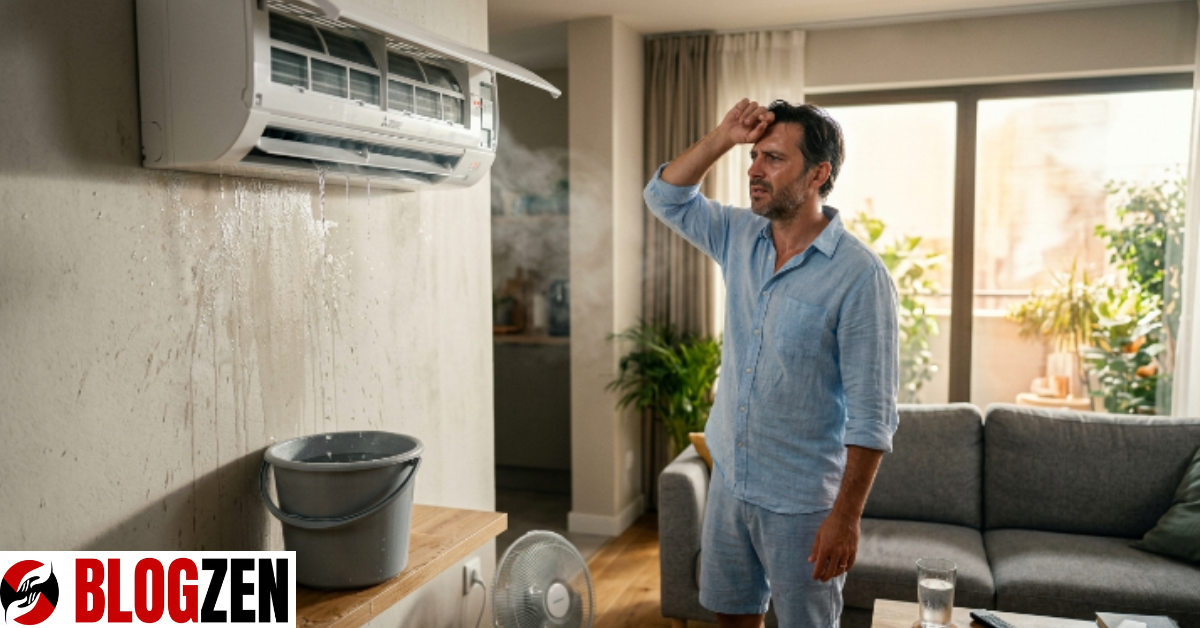
A breaking AC can quickly turn a comfortable home or office into an unbearable space, especially during extreme summer temperatures. Whether the issue starts with weak airflow, strange noises, leaking water, or complete system failure, air conditioning problems often develop gradually before becoming expensive emergencies. Understanding the causes behind a breaking AC helps homeowners and businesses reduce repair costs, improve energy efficiency, and extend the lifespan of their cooling systems.
Modern air conditioning systems are designed to provide reliable indoor comfort, but even advanced units experience wear and tear over time. Dust accumulation, refrigerant leaks, electrical faults, frozen evaporator coils, and neglected maintenance are among the most common reasons an AC system begins to fail. In many situations, early detection can prevent total breakdowns and save significant money on repairs.
The growing demand for cooling systems worldwide has also increased awareness about AC maintenance, energy-saving solutions, and smart climate control technology. According to energy industry reports, HVAC systems account for a large portion of household electricity consumption, making system efficiency more important than ever. When an air conditioner begins malfunctioning, energy usage often rises dramatically while cooling performance decreases.
This comprehensive guide explores the major causes of a breaking AC, common symptoms, repair solutions, maintenance strategies, and practical methods to improve long-term system performance. By understanding how air conditioners work and what warning signs to watch for, property owners can make informed decisions that protect both comfort and investment.
Understanding How an Air Conditioner Works
To understand the causes of a breaking AC, it is important to know how the cooling process functions. An air conditioning system removes heat from indoor air and transfers it outside through a refrigeration cycle. The process involves several key components working together simultaneously.
The compressor acts as the heart of the system by pressurizing refrigerant gas. The condenser coil releases heat outdoors while the evaporator coil absorbs indoor heat. The blower fan circulates cool air through the duct system, and the thermostat regulates temperature settings.
When one of these components experiences damage or inefficiency, the entire system can suffer. Small mechanical problems often place extra strain on the compressor and electrical components, eventually leading to complete system failure. This is why routine inspection and preventive maintenance are essential.
Common Signs of a Breaking AC
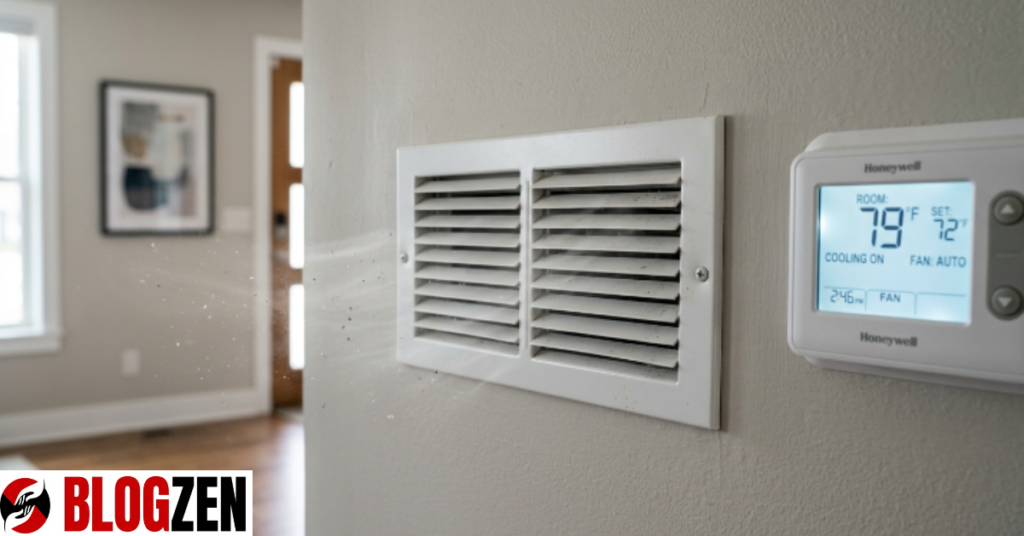
Most air conditioning systems provide warning signs before they stop working entirely. Recognizing these indicators early can help prevent major repair expenses and uncomfortable indoor temperatures.
Weak Airflow Throughout the Home
One of the most noticeable symptoms of a breaking AC is reduced airflow from vents. Weak airflow may indicate clogged air filters, damaged ductwork, blower motor problems, or frozen evaporator coils. Restricted airflow forces the system to work harder while delivering less cooling.
Many homeowners ignore this issue initially because the AC still operates. However, prolonged airflow problems can shorten equipment lifespan and increase electricity consumption.
Warm Air Instead of Cool Air
When an air conditioner blows warm or room-temperature air, several problems could be responsible. Refrigerant leaks, compressor failure, thermostat malfunctions, or electrical issues commonly contribute to this condition.
Warm airflow is often a sign that the cooling cycle has been interrupted. If left unresolved, the system may continue running continuously without effectively lowering indoor temperatures.
Strange Noises From the Unit
A healthy air conditioner generally produces consistent operational sounds. Grinding, banging, squealing, rattling, or buzzing noises often signal mechanical issues inside the system.
Loose components, failing motors, worn bearings, or debris inside the outdoor condenser unit can all create unusual sounds. Addressing these problems quickly helps avoid larger mechanical failures.
Water Leaks Around the AC System
Water accumulation near indoor AC units usually points to clogged condensate drain lines or frozen evaporator coils. Excess moisture can damage walls, ceilings, flooring, and nearby furniture if ignored.
Moisture issues may also encourage mold growth, which negatively affects indoor air quality and respiratory health.
Frequent Cycling
Air conditioners naturally cycle on and off to maintain desired temperatures. However, short cycling occurs when the system turns on and off too frequently. This behavior often results from thermostat issues, refrigerant imbalances, dirty coils, or oversized equipment.
Frequent cycling increases wear on electrical components and raises utility bills significantly.
Major Causes of a Breaking AC
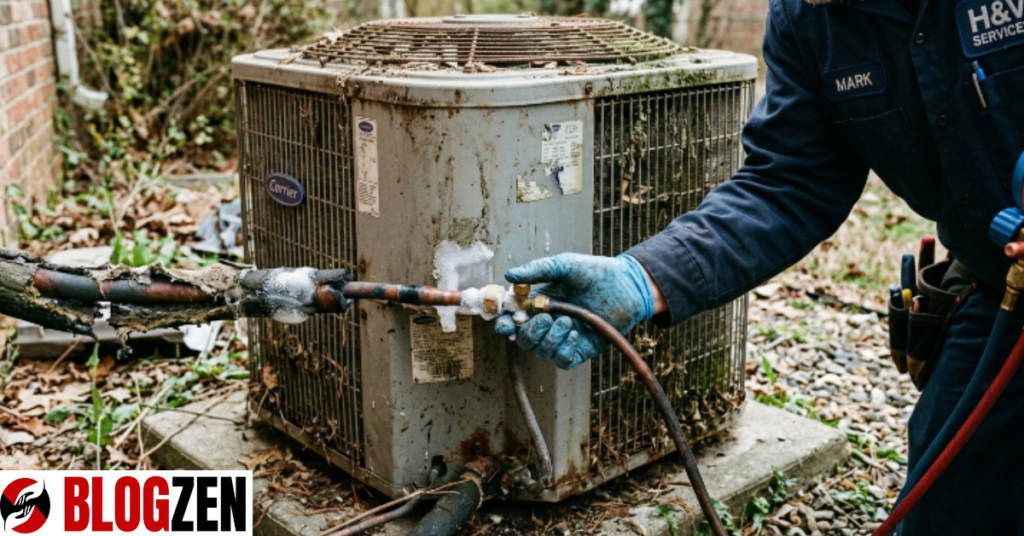
Several factors contribute to air conditioner breakdowns. Some problems develop gradually due to aging equipment, while others result from poor maintenance or installation mistakes.
Dirty Air Filters
Dirty air filters are among the most common causes of a breaking AC. Filters trap dust, pollen, pet hair, and airborne particles before air circulates throughout the home. Over time, filters become clogged and restrict airflow.
Restricted airflow reduces cooling efficiency and forces the blower motor to work harder. In severe cases, frozen evaporator coils may develop because insufficient warm air reaches the cooling coil.
Replacing air filters regularly is one of the simplest and most effective ways to maintain system performance.
Refrigerant Leaks
Refrigerant is essential for heat transfer within the cooling cycle. Low refrigerant levels reduce cooling capacity and place stress on the compressor.
Leaks may occur because of corrosion, loose connections, or damaged refrigerant lines. Signs of refrigerant leaks include hissing noises, frozen coils, rising humidity levels, and poor cooling performance.
A certified HVAC technician should always handle refrigerant repairs because improper handling can damage the system and violate environmental regulations.
Frozen Evaporator Coils
Evaporator coils absorb indoor heat during cooling operation. When airflow becomes restricted or refrigerant levels drop too low, coils may freeze.
Frozen coils prevent proper heat absorption and dramatically reduce system efficiency. Homeowners may notice ice buildup around the indoor unit or refrigerant lines.
Turning off the system temporarily may allow the ice to melt, but professional diagnosis is usually necessary to identify the root cause.
Compressor Failure
The compressor is one of the most expensive components in an air conditioning system. It circulates refrigerant throughout the cooling cycle and maintains proper pressure levels.
Compressor failure can result from electrical problems, overheating, low refrigerant levels, or prolonged system strain. A failing compressor may produce loud noises, hard starting, or complete cooling loss.
Because compressor replacement is costly, preventive maintenance becomes especially important for protecting this critical component.
Electrical Problems
Air conditioners rely on capacitors, relays, contactors, and wiring to function properly. Electrical failures can interrupt cooling operation entirely.
Power surges, aging connections, and moisture exposure often contribute to electrical damage. Flickering operation, burning smells, or sudden shutdowns may indicate electrical issues that require immediate professional attention.
Thermostat Malfunctions
The thermostat controls system operation by monitoring indoor temperatures. Incorrect thermostat readings can cause inconsistent cooling, short cycling, or continuous operation.
Modern smart thermostats improve energy efficiency and allow better temperature management, but improper calibration or installation may still create performance issues.
Poor Maintenance Practices
Neglected maintenance is one of the leading reasons for a breaking AC. Dust buildup, clogged coils, worn components, and unchecked refrigerant levels gradually reduce efficiency and reliability.
Annual inspections help identify small issues before they become expensive emergencies. Routine maintenance also improves airflow, lowers electricity consumption, and extends equipment lifespan.
The Financial Impact of a Breaking AC
Air conditioner failures often create financial stress beyond repair costs alone. Increased energy bills, emergency service fees, and reduced system lifespan all contribute to long-term expenses.
A poorly functioning air conditioner may consume significantly more electricity than a properly maintained system. Dirty coils and restricted airflow force components to run longer and harder, increasing utility costs every month.
Emergency repairs during peak summer seasons also tend to cost more because HVAC companies experience high service demand. In extreme situations, complete system replacement may become necessary.
Investing in preventive maintenance is usually far more affordable than waiting for major failures to occur.
How Weather Conditions Affect AC Performance
Environmental conditions play a major role in air conditioning efficiency and reliability. Excessive heat, humidity, dust, and storms can strain cooling systems considerably.
Outdoor condenser units require adequate airflow to release heat effectively. Debris, leaves, and dirt accumulation around the condenser reduce performance and may cause overheating.
High humidity levels also force AC systems to work harder because the equipment must remove both heat and moisture from indoor air.
In coastal regions, salt exposure accelerates corrosion on outdoor components, increasing the likelihood of refrigerant leaks and electrical failures.
The Importance of Professional AC Maintenance
Professional HVAC maintenance provides long-term benefits for both residential and commercial systems. Certified technicians inspect critical components, clean coils, test refrigerant levels, and verify electrical performance.
Routine servicing helps identify hidden problems that homeowners may not notice. Early detection reduces repair costs and minimizes the risk of sudden system breakdowns during hot weather.
Professional maintenance also improves indoor air quality because clean filters and coils reduce airborne contaminants.
Many manufacturers require documented maintenance to preserve warranty coverage, making annual inspections financially valuable.
DIY Maintenance Tips to Prevent a Breaking AC
While major repairs require professional expertise, homeowners can perform several simple maintenance tasks to improve system reliability.
Keeping air filters clean is one of the most effective preventive measures. Filters should generally be inspected monthly and replaced regularly based on household conditions.
Outdoor condenser units should remain free from debris, vegetation, and obstructions. Adequate clearance improves airflow and cooling performance.
Checking thermostat settings ensures accurate temperature control and prevents unnecessary system strain.
Homeowners should also inspect visible ductwork for leaks or damage because air loss reduces cooling efficiency significantly.
Energy Efficiency and Modern Cooling Technology
Modern air conditioning systems are becoming increasingly energy efficient due to advancements in HVAC technology. Variable-speed compressors, smart thermostats, and inverter systems help reduce energy consumption while maintaining stable indoor temperatures.
Energy-efficient units often achieve better humidity control and quieter operation compared to older systems. Although installation costs may initially appear higher, long-term energy savings frequently offset the investment.
Many governments and utility providers also offer rebates for upgrading to high-efficiency HVAC equipment.
Choosing the right system size is equally important. Oversized units cycle too frequently, while undersized systems struggle to maintain comfortable temperatures.
Indoor Air Quality and AC Performance
A breaking AC not only affects temperature control but also influences indoor air quality. Dirty filters and contaminated duct systems can circulate dust, allergens, mold spores, and bacteria throughout the home.
Poor indoor air quality may worsen respiratory conditions such as asthma and allergies. Maintaining clean HVAC components improves both comfort and health.
Advanced filtration systems and UV air purification technology are increasingly popular among homeowners seeking healthier indoor environments.
Proper humidity control also plays a significant role in indoor comfort. Excess humidity encourages mold growth and creates a sticky indoor atmosphere.
When to Repair or Replace a Breaking AC
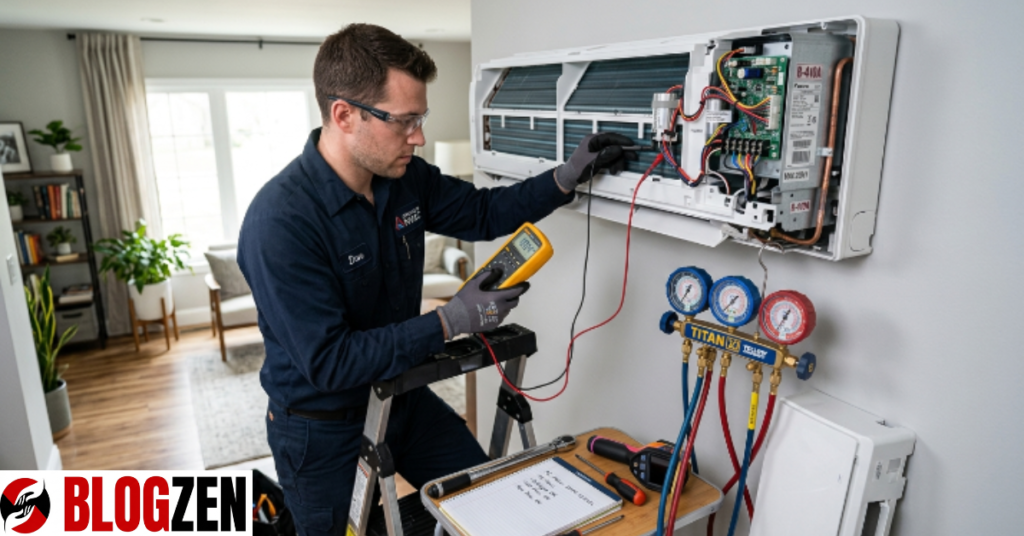
One of the biggest decisions homeowners face involves determining whether to repair or replace an aging air conditioning system.
If repair costs become frequent or exceed a significant percentage of replacement value, upgrading to a new system may be more economical. Older systems also tend to use outdated refrigerants that are becoming increasingly expensive and environmentally restricted.
Energy efficiency improvements in modern systems can dramatically reduce monthly operating costs. Newer units also provide better reliability and quieter performance.
However, relatively minor problems in newer systems are often worth repairing, especially when warranty coverage remains active.
The Role of HVAC Installation Quality
Improper installation can create ongoing air conditioning problems from the beginning. Incorrect refrigerant charging, poor duct design, and inadequate airflow calculations all contribute to reduced efficiency and premature equipment failure.
Working with qualified HVAC professionals is essential for ensuring proper installation and long-term reliability.
A properly installed system operates more efficiently, maintains consistent temperatures, and experiences fewer mechanical problems over time.
Seasonal Maintenance Strategies
Different seasons present unique challenges for air conditioning systems. Spring maintenance prepares the system for heavy summer demand, while autumn inspections help identify wear after months of operation.
Seasonal maintenance often includes coil cleaning, refrigerant testing, thermostat calibration, and electrical inspection.
Homeowners who schedule regular maintenance typically experience fewer unexpected breakdowns and better overall cooling performance.
Smart Home Integration and AC Monitoring
Smart home technology is transforming HVAC management by providing real-time system monitoring and automated temperature control.
Smart thermostats learn user preferences, optimize cooling schedules, and reduce unnecessary energy usage. Some advanced systems even detect performance abnormalities and send maintenance alerts.
Remote access through smartphone applications allows homeowners to monitor energy consumption and adjust settings from anywhere.
These technologies improve convenience while helping prevent costly system failures.
Environmental Considerations in Modern Air Conditioning
Environmental concerns are influencing the HVAC industry significantly. Older refrigerants with high global warming potential are gradually being phased out in favor of environmentally safer alternatives.
Energy-efficient cooling systems also help reduce carbon emissions associated with electricity generation.
Consumers increasingly prioritize sustainable HVAC solutions that balance comfort, cost savings, and environmental responsibility.
Manufacturers continue developing innovative technologies designed to improve cooling performance while lowering environmental impact.
FAQs
What causes a breaking AC most often?
Dirty air filters, refrigerant leaks, electrical issues, frozen evaporator coils, and neglected maintenance are among the most common causes of AC failure.
How often should AC maintenance be performed?
Most HVAC professionals recommend annual maintenance before the summer cooling season begins. Homes in dusty or high-use environments may require more frequent inspections.
Can low refrigerant damage an air conditioner?
Yes, low refrigerant levels force the compressor to work harder, increasing the risk of overheating and permanent compressor damage.
Why is my AC running but not cooling?
This issue may result from refrigerant leaks, thermostat problems, dirty coils, clogged filters, or compressor failure.
Is it better to repair or replace an old AC system?
If repair costs become frequent or the system is more than 10–15 years old, replacement may offer better long-term value and energy efficiency.
How can I improve AC efficiency at home?
Regular filter replacement, professional maintenance, proper insulation, clean condenser units, and smart thermostat use can all improve cooling efficiency.
Conclusion
A breaking AC is more than a temporary inconvenience. It can increase energy costs, reduce indoor comfort, damage air quality, and lead to expensive repair bills if ignored. Understanding the warning signs and common causes of air conditioning failure allows homeowners and businesses to take proactive steps before small problems escalate into major system breakdowns.
Regular maintenance remains the most effective strategy for extending AC lifespan and maintaining reliable performance. Clean filters, professional inspections, proper airflow, and timely repairs all contribute to greater efficiency and reduced operating costs.
As cooling technology continues evolving, modern HVAC systems offer better energy efficiency, smarter controls, and improved environmental sustainability. Investing in proper maintenance and quality installation ensures long-term comfort while protecting valuable equipment.
Whether dealing with weak airflow, refrigerant leaks, electrical faults, or compressor issues, addressing problems early is the key to avoiding the stress and expense associated with a complete breaking AC situation.
