


Quick Answer
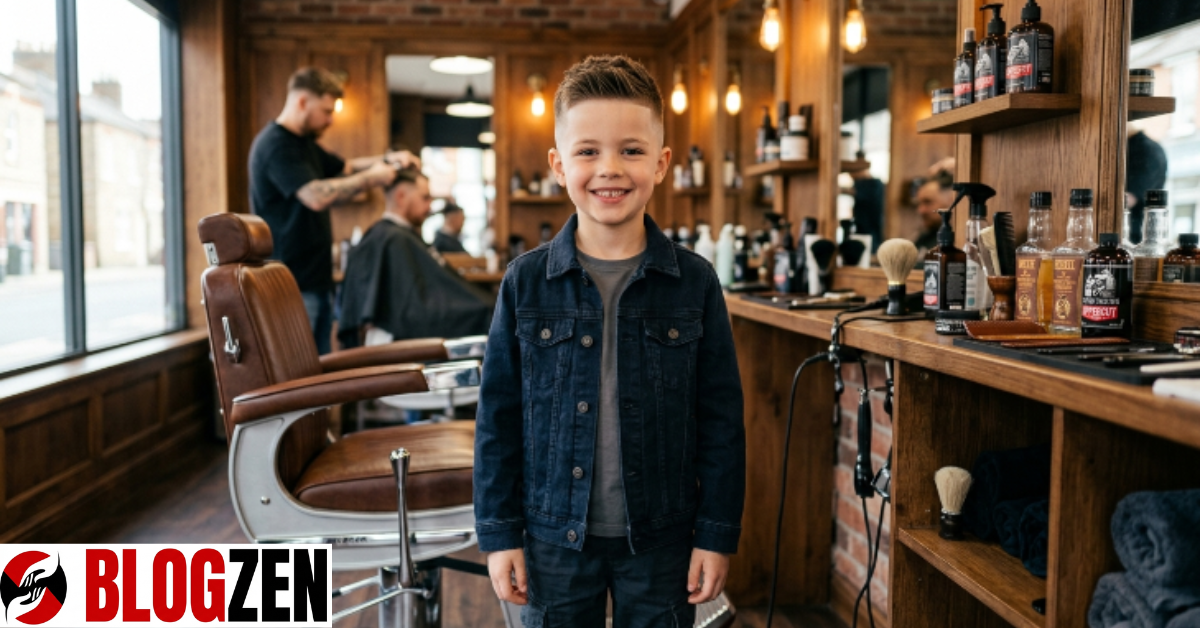
The best hair style for boys depends on face shape, hair texture, and lifestyle. Popular 2026 choices include the crop fade, textured quiff, and low taper — all low-maintenance, easy to style at home, and suitable for school or sports.
Most parents pick a haircut based on what looks cute in a photo. That’s the first mistake.
Choosing the best hair style for boys isn’t about copying a trend from social media — it’s about matching the cut to face shape, hair texture, and how much daily maintenance a kid (or parent) is actually willing to do. Get this wrong, and you’re back at the barber every two weeks fighting the same battle.
Here’s what nobody tells you: the right haircut can make mornings faster, boost a boy’s confidence, and even reduce hair damage from constant restyling. In this guide, you’ll learn which cuts actually work in real life, how to talk to a barber so you get exactly what you want, and which “trendy” styles quietly fall apart within a week.
What Is the Best Hair Style for Boys and Why It Matters Today
A good boy’s haircut isn’t just about looks — it’s about function. Kids move, sweat, swim, and rarely remember to carry a comb.
The right cut needs to survive gym class, bike rides, and bath time without turning into a mess. That’s why barbers today lean toward structured but forgiving styles — cuts that look intentional even when they’re not perfectly styled.
Think of it this way: a haircut for a boy is less like a fashion statement and more like a uniform that still lets his personality show. Styles like the crop, taper, and fringe have stayed popular for years precisely because they balance ease with edge.
How the Right Haircut Actually Works (Face Shape and Texture)
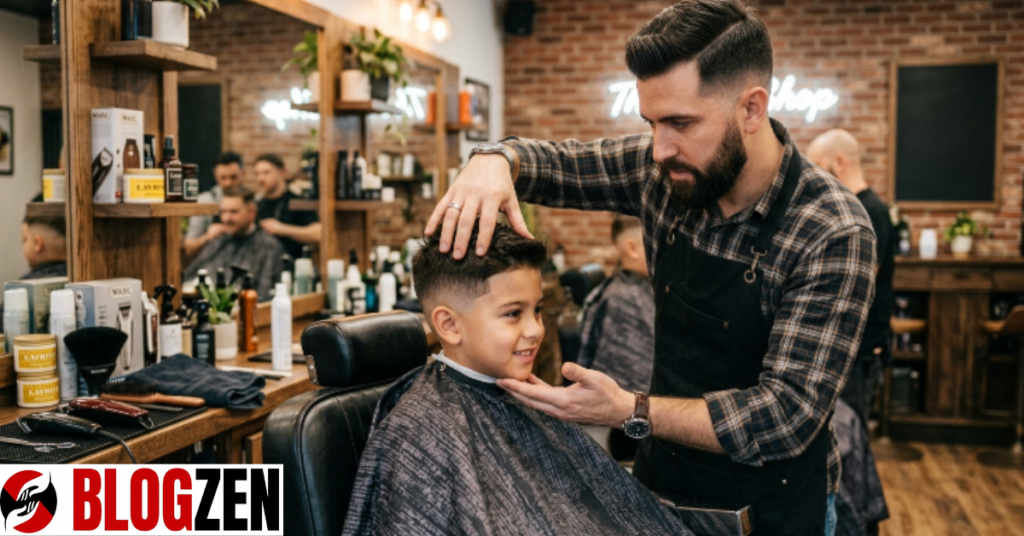
Most people get this completely wrong — they choose a style first and force the hair to match it. It should work the other way around.
Round faces benefit from styles with height on top, like a quiff or textured crop, which elongate the face visually. Square or angular faces pair well with softer, textured cuts that reduce sharpness, such as a side-swept fringe.
Hair texture matters just as much. Thick, curly hair holds volume naturally, so a curly crop or afro fade works beautifully with minimal product. Fine, straight hair looks best in cuts that create the illusion of thickness, like a textured crop with a slight fade.
Pro Tip: Bring a photo to the barber, but also describe your child’s hair texture and how much time you have each morning — this helps the barber adjust the cut for real life, not just the picture.
Common Mistakes Parents Make With Boys’ Haircuts
Here’s what nobody tells you before your first barber visit: most bad haircuts aren’t the barber’s fault — they’re a communication problem.
Parents often ask for a style that looks great on straight hair when their son has thick, curly hair, leading to a cut that won’t lie flat or hold shape. Others go too short too often, which can make fine hair look thinner over time.
A few mistakes show up again and again:
- Choosing a style based on a celebrity photo without checking hair texture
- Skipping a trial cut before a big event, like a school photo day
- Ignoring the barber’s professional advice on what will actually grow out well
The truth is, the best results come from collaboration, not just instructions.
Expert Tips and Proven Strategies for a Long-Lasting Cut
A great haircut isn’t just about the first day — it’s about how it looks two weeks later. That’s where most families lose the plot.
Ask for a cut with built-in growth room, meaning slightly longer layers on top that can be restyled as hair grows instead of needing an immediate redo. Fades and tapers are especially forgiving here, since only the sides need regular touch-ups.
Product matters more than people think. A small amount of matte clay or light-hold paste works for most boys’ hair, giving texture without the greasy look that heavier gels create.
Pro Tip: Wash-and-go styles like the textured crop reduce morning stress dramatically — no comb, no mirror battle, just towel-dry and scrunch.
Real-World Examples: What Actually Works for Different Ages
Theory is nice, but parents want real examples. Here’s how age changes the equation.
For toddlers (ages 2–5), simple, soft cuts like a light crop or basic trim work best since fine motor skills for styling aren’t there yet, and comfort matters more than structure. For school-age boys (6–12), a low taper with slightly longer top hair gives flexibility for both neat school days and messy weekend play.
Teenagers (13+) often want more control over their look, which is where trend-driven cuts like the textured quiff or curly fringe come in — styles that let them experiment without full commitment.
| Age Group | Recommended Style | Maintenance Level |
|---|---|---|
| Toddlers (2–5) | Light crop, basic trim | Very low |
| School-age (6–12) | Low taper, textured top | Low-medium |
| Teens (13+) | Quiff, fringe, fade combo | Medium |
Step-by-Step Guide to Choosing the Right Cut at the Barbershop
Getting the best hair style for boys right the first time comes down to preparation, not luck.
- Identify face shape and hair texture before the appointment
- Bring 1–2 reference photos, ideally with similar hair type to your child
- Ask the barber which parts of the style will grow out gracefully
- Discuss daily time available for styling so the barber can adjust accordingly
- Request a slightly longer trial length if it’s a first-time style change
This process takes five extra minutes but saves weeks of regret.
Myths vs Facts About Boys’ Haircuts
Let’s clear up a few things people assume are true but aren’t.
Myth: Shorter hair means less maintenance. Fact: Very short cuts often need trims every 2–3 weeks to stay sharp, while slightly longer textured styles can stretch to 5–6 weeks.
Myth: Trendy styles don’t suit every kid. Fact: Almost any trend can be adapted — a quiff can be softened for curly hair, or a fade can be lightened for fine hair. The key is customization, not avoidance.
The best hair style for boys isn’t a single trend — it’s the right combination of face shape, texture, and lifestyle. Focus on cuts with growth flexibility, communicate clearly with your barber, and don’t chase a photo that doesn’t match your child’s hair type.
Talk to your barber like a partner, not an order-taker, and you’ll walk out with a cut that actually lasts. What style is your son rocking right now? Drop it in the comments — we’d love to know.
FAQs
What is the best hair style for boys with curly hair?
Curly hair thrives in cuts that work with its natural pattern rather than against it. A curly crop or textured fringe allows curls to fall naturally while still looking structured. Avoid extremely short buzz cuts on tight curls, as they can look uneven without length to define the curl pattern.
How often should a boy get a haircut?
Most boys need a trim every 4–6 weeks to maintain shape, though this varies by style. Short fades need touch-ups every 2–3 weeks, while longer textured tops can stretch to 6–8 weeks. A quick way to check: if hair covers the ears or eyes, it’s time.
What is the best hair style for boys going back to school?
Low-maintenance options work best for school routines. Consider these three:
- Low taper with textured top
- Simple crop with slight fringe
- Side part with light fade
These styles hold shape through PE class and stay neat in photos without daily styling effort.
Does hair type affect which style works best?
Yes, significantly. Fine hair benefits from cuts that create visual volume, like textured crops, while thick or curly hair suits styles that use natural body, such as afros or curly fades. Ignoring texture is the top reason haircuts don’t turn out as expected.
What’s a good first haircut style for toddlers?
A soft, simple trim works best for toddlers since their hair is often finer and they can’t yet manage styling products. Light crops with minimal shaping keep hair neat without requiring daily upkeep, and they grow out evenly between visits.
Are fades appropriate for younger boys?
Yes, fades can work well for younger boys, especially low or mid fades that offer a subtle transition rather than a dramatic contrast. They keep hair neat around the ears and neck while leaving enough length on top for versatility as the child grows. VISIT BLOGZEN
