



Introduction
There is a reason your grandmother always told you to get your beauty sleep. Long before skincare influencers and dermatologists started talking about it, people understood that a good night’s rest shows up on your face the next morning. What most people do not realise is that the foundation of great beauty sleep is not just your skincare routine or your bedtime, but the mattress you sleep on every single night. A beauty sleep mattress is designed to support deep, uninterrupted rest, which in turn helps your skin repair itself, your body recover, and your mind reset. In this guide, we will explore everything you need to know about choosing the right beauty sleep mattress, how it affects your appearance and wellbeing, and what to look for before you invest in one.
Why Your Mattress Matters More Than Your Skincare Routine
Most people spend a fortune on serums, night creams, and expensive treatments, yet they sleep on a mattress that is doing more harm than good. Your skin repairs itself while you sleep, producing collagen and repairing damage from the day. If your mattress is uncomfortable, too firm, too soft, or simply worn out, your body cannot reach the deep sleep stages needed for this repair process to happen properly. A beauty sleep mattress supports your spine and pressure points so your muscles relax fully, allowing your body to focus its energy on recovery rather than fighting discomfort throughout the night.
The Science Behind Beauty Sleep and Skin Repair
During deep sleep, your body increases blood flow to the skin, which helps deliver nutrients and oxygen while removing toxins. Growth hormone production also peaks during this stage, which plays a direct role in collagen production and cell turnover. If you are tossing and turning because of an unsupportive mattress, you are likely missing out on these deep sleep cycles altogether. Poor sleep quality has also been linked to increased cortisol levels, the stress hormone that can trigger breakouts, puffiness, and premature ageing. Choosing the right mattress is not vanity, it is a genuine investment in your skin’s biological repair process.
What Makes a Mattress Suitable for Beauty Sleep
A true beauty sleep mattress goes beyond marketing labels. It should offer the right balance of support and pressure relief so your body does not wake up from discomfort multiple times a night. Memory foam and hybrid mattresses tend to perform well here because they contour to your body shape while still offering spinal support. Breathability is another crucial factor, since overheating during the night disrupts sleep cycles and can leave your skin looking dull and tired. Look for mattresses with cooling technology, natural fibres, or open cell foam structures that regulate temperature throughout the night.
Firmness Levels and How They Affect Your Sleep Quality
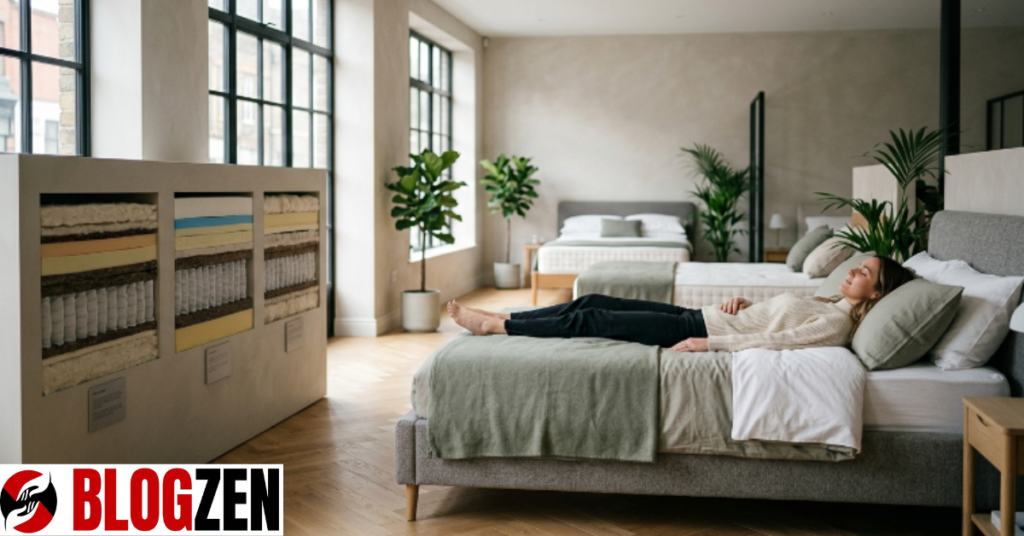
Firmness is one of the most personal aspects of choosing a mattress, and getting it wrong can undo all the benefits a beauty sleep mattress promises. Side sleepers generally benefit from a medium to medium soft mattress that cushions the shoulders and hips without creating pressure points. Back sleepers often do best with a medium firm option that keeps the spine aligned. Stomach sleepers, although less common, usually need a firmer surface to prevent the lower back from sinking too much. Choosing the wrong firmness level can lead to micro awakenings throughout the night, even if you do not consciously remember them, which reduces the amount of restorative sleep your skin and body receive.
The Link Between Sleep Position and Skin Ageing
Interestingly, your sleep position combined with your mattress choice can influence how your skin ages over time. Sleeping on your side or stomach for years can contribute to sleep lines and creases, especially on softer, older mattresses that no longer offer even support. A supportive beauty sleep mattress helps distribute your body weight more evenly, reducing the pressure your face and body place against the fabric. Some people switch to sleeping on their back with the right mattress support specifically to reduce these pressure related skin creases over time.
Choosing Materials That Support Restful Sleep
Not all mattress materials are created equal when it comes to beauty sleep. Natural latex offers excellent breathability and responsiveness, making it a popular choice for people who tend to sleep hot. Memory foam is known for pressure relief and motion isolation, which is ideal if you share a bed and want uninterrupted rest. Hybrid mattresses combine pocket springs with foam or latex layers, offering both support and comfort in one design. Organic and hypoallergenic materials are also worth considering if you have sensitive skin, as certain synthetic fabrics can trap heat, bacteria, and allergens that irritate the skin overnight.
How Mattress Age Affects Your Sleep and Skin
Mattresses do not last forever, and an old, sagging mattress can quietly sabotage your beauty sleep without you realising it. Most mattresses have a lifespan of around seven to ten years, after which the materials begin to break down and lose their supportive properties. A worn mattress can trap dust mites, dead skin cells, and bacteria, which may contribute to breakouts and skin irritation. If you find yourself waking up with unexplained puffiness, redness, or a general feeling of tiredness despite getting enough hours of sleep, your mattress could be the hidden culprit.
The Role of Bedding and Sleep Environment
While the mattress itself plays the biggest role, your overall sleep environment also contributes to how effective your beauty sleep truly is. Breathable cotton or bamboo sheets work well alongside a beauty sleep mattress by helping regulate temperature and reducing moisture build up against the skin. Pillowcases made from silk or satin are often recommended alongside a good mattress, as they reduce friction against the skin and hair compared to cotton. Keeping your bedroom cool, dark, and quiet further supports the deep sleep cycles that your mattress is designed to encourage.
How to Choose the Right Beauty Sleep Mattress for You
When shopping for a beauty sleep mattress in the UK, it helps to think beyond price alone. Consider your usual sleep position, whether you tend to sleep hot or cold, and any existing back or joint issues you may have. Many UK mattress brands now offer trial periods, allowing you to test the mattress in your own home for several weeks before committing. Reading genuine customer reviews and checking independent sleep testing results can also help you separate marketing claims from real world performance. A mattress that suits your specific body type and sleep habits will always outperform a generic bestseller that does not match your needs.
Common Mistakes People Make When Buying a Mattress
Many shoppers focus purely on price or brand reputation without considering their personal sleep needs, which often leads to disappointment. Others hold onto an old mattress for far too long simply because replacing it feels like an unnecessary expense. Some people also choose a mattress based on how it feels for five minutes in a showroom rather than how it performs over an entire night of sleep. Taking the time to understand your own sleep patterns, body type, and temperature preferences will help you avoid these common mistakes and find a beauty sleep mattress that genuinely improves your rest.
Building a Nighttime Routine Around Your Mattress
A great mattress works best when paired with consistent sleep habits. Going to bed and waking up at similar times each day helps regulate your body’s internal clock, making it easier to fall into deep sleep stages more quickly. Limiting screen time before bed reduces blue light exposure, which can interfere with melatonin production and delay sleep onset. Combining these habits with a supportive beauty sleep mattress creates the ideal environment for your body to fully repair itself overnight, giving your skin and energy levels the best possible chance to reflect the quality of your rest.
Conclusion
Beauty sleep is not just a phrase, it is a real physiological process that depends heavily on the quality of your rest, and your mattress plays a far bigger role in this than most people realise. From supporting deep sleep cycles to reducing pressure points and regulating temperature, a proper beauty sleep mattress works quietly in the background to help your skin repair, your body recover, and your mind reset each night. Investing in the right mattress, paired with good sleep habits and a comfortable sleep environment, can genuinely transform how you look and feel every morning. Before your next skincare purchase, it might be worth asking whether your mattress deserves the investment first.
FAQs
What is a beauty sleep mattress?
A beauty sleep mattress refers to a mattress specifically chosen or designed to support deep, restorative sleep, which allows the body and skin to repair and regenerate overnight. It typically offers a balance of support, pressure relief, and temperature regulation to help you reach and stay in deeper sleep stages.
Can a mattress really improve my skin?
Yes, indirectly. A supportive mattress helps you achieve deeper, more consistent sleep, during which your body produces growth hormone and repairs skin cells. Poor sleep from an unsupportive mattress can increase stress hormones and reduce the quality of this natural repair process.
How often should I replace my mattress for better sleep?
Most mattresses should be replaced every seven to ten years, depending on the materials used and how well they have been maintained. A sagging or worn mattress loses its supportive properties and can negatively affect both sleep quality and skin health.
What type of mattress is best for beauty sleep?
Memory foam and hybrid mattresses are often recommended because they offer pressure relief and spinal support while contouring to the body. The best choice ultimately depends on your sleep position, body weight, and whether you tend to sleep hot or cold.
Does mattress firmness affect skin ageing?
Firmness itself does not directly age skin, but an unsupportive mattress can lead to poor sleep quality and increased pressure on the face and body, which may contribute to sleep lines over time. Choosing the right firmness for your sleep position helps reduce this pressure.
Are memory foam mattresses good for hot sleepers?
Traditional memory foam can retain heat, but many modern versions include cooling gel layers or open cell structures designed to improve airflow. Hybrid mattresses with pocket springs are also a good option for those who tend to sleep hot.
How does sleep position affect the type of mattress I should choose?
Side sleepers generally need a softer mattress to cushion the shoulders and hips, while back sleepers benefit from medium firm support. Stomach sleepers typically require a firmer surface to prevent the lower back from sinking too much during the night.
Can an old mattress cause skin breakouts?
Yes, older mattresses can accumulate dust mites, dead skin cells, and bacteria over time, which may contribute to skin irritation or breakouts. Regularly cleaning your mattress and replacing it when worn out can help reduce this risk.
Is it worth investing in a more expensive mattress for beauty sleep?
A higher price does not always guarantee better quality, but investing in a mattress that suits your specific sleep needs often leads to noticeably better rest. Many UK brands offer trial periods, making it easier to test whether a more expensive option is genuinely worth it for you.
How can I improve my beauty sleep besides changing my mattress?
Alongside a supportive mattress, maintaining a consistent sleep schedule, reducing screen time before bed, and keeping your bedroom cool and dark can significantly improve sleep quality. Breathable bedding and silk pillowcases can further support both restful sleep and healthier looking skin.
