


QUICK ANSWER
The most effective DIY car cleaning hacks use household items like white vinegar, baking soda, a magic eraser, and microfiber cloths. Clean windows with a 50/50 vinegar-water mix, remove odors with baking soda, and use a foam brush for air vents. Total cost: under $10.
INTRODUCTION
Your car is dirtier than your bathroom — and most people spend more time cleaning the toilet. Studies show the average steering wheel carries 9 times more bacteria than a public restroom door handle. That’s the car you’re driving every single day.
Here’s the good news: you don’t need a $150 detailing appointment or a garage full of specialty products to fix that. The best DIY car cleaning hacks work with things already sitting in your kitchen or laundry room. And in most cases, they work better than overpriced auto-store sprays that smell like artificial pine.
In this article, you’ll get a complete, honest breakdown of which hacks are worth your time, which ones quietly damage your car, and how to build a cleaning routine that actually lasts. Whether you drive a beat-up daily commuter or a weekend car you treat like a pet, there’s something here that will change how you clean.
What Are DIY Car Cleaning Hacks and Why They Matter Right Now
The term sounds gimmicky, but the concept is dead serious. DIY car cleaning hacks are techniques that use low-cost or household materials to clean, protect, or refresh your vehicle — without paying professional detailing prices that average $100–$250 per session depending on your area.
This matters more now than ever. With inflation hitting household budgets hard, people are looking for every smart shortcut they can find. Car maintenance is one of the first places people cut costs — and that’s fine, as long as you cut smart.
The problem is that not all “hacks” are equal. Some genuinely work. Others — like using newspaper to clean windows or cola to remove rust — range from mildly useless to actively harmful to your paint or trim.
Think of it this way: a hack is only a hack if it actually solves the problem without creating a new one. The ones in this article have been tested, verified, and used by detailers who would never tell you this for free.
Pro Tip: Always test any new cleaning solution on a hidden area first — behind the rear door jamb or under a seat — before applying it broadly. What works on one surface can stain or dull another.
How DIY Car Cleaning Actually Works (The Science Behind the Shine)
Most people think cleaning is about scrubbing harder. Professional detailers know it’s about using the right chemistry for each surface. Here’s what’s actually happening when you clean your car:
- Agitation breaks the bond — Dirt, grime, and grease don’t just sit on surfaces; they bond to them through static and oil adhesion. Any cleaner needs to break that bond first before you can wipe it away. That’s why dry wiping always scratches — you’re dragging bonded particles across the surface.
- pH balance does the real work — Acid-based cleaners (like white vinegar) dissolve mineral deposits and water spots. Alkaline cleaners (like dish soap or baking soda) cut through grease and organic matter. Using the wrong pH on the wrong surface either does nothing or causes damage.
- Dwell time is what gets skipped — Most people spray and immediately wipe. Pros spray, wait 30–60 seconds, then wipe. That dwell time lets the chemistry work. Skipping it means you’re relying on elbow grease to do what the cleaner was supposed to.
- Microfiber isn’t optional — A quality microfiber cloth has thousands of tiny fibers that trap and lift particles. A cotton rag or paper towel pushes dirt around. This single switch eliminates most surface scratches people blame on “bad products.”
- Direction matters on glass — Horizontal strokes inside, vertical strokes outside. When streaks appear, you’ll instantly know which side of the glass they’re on. It sounds small. It changes everything.
The personal insight here: most detailing frustration comes from fighting surface type with the wrong chemistry, not from lack of effort. Work smarter and the car practically cleans itself.
Common Mistakes People Make With DIY Car Cleaning
Most people have the right instinct — they want a clean car — but they make a few specific errors that either waste their effort or actually harm the vehicle. Here are the three that matter most.
Mistake 1: Using dish soap to wash the entire exterior
Dish soap is great at cutting grease. That’s also why it strips protective wax and sealant off your paint. People use it because it’s cheap and creates satisfying suds — but every time you wash with Dawn or Fairy, you’re removing the protective layer that prevents oxidation and micro-scratches. Fix: use a dedicated car wash soap (they’re not expensive), or if you must use dish soap, reapply a spray wax immediately after.
Mistake 2: Cleaning windows in direct sunlight
Glass cleaners evaporate fast. In direct sun, the product dries before you can wipe it, leaving the exact streaks you were trying to eliminate. The residue bakes on, and then you have to clean it twice. Fix: park in shade, work in the early morning or evening, and always use a clean, dry microfiber cloth for the final buff.
Mistake 3: Vacuuming before treating stains
This feels logical — clean the loose stuff first — but vacuuming a wet or stained surface often grinds particles deeper into fabric fibers. Fix: treat stains first, let them lift, blot them out, then vacuum once everything is dry. You’ll pull out significantly more material and leave less residue behind.
Pro Tip: Keep a small spray bottle of 50/50 white vinegar and water in your car at all times. It handles water spots, deodorizes fabric, and cleans glass on the go — without any chemical smell once it dries.
Expert Tips and Proven Strategies for DIY Car Cleaning
Use a Foam Paint Brush on Air Vents
Air vents collect dust in a way that no vacuum attachment can fully reach. A standard 1-inch foam paint brush — the kind you find for under $1 at any hardware store — fits perfectly between vent slats and sweeps dust out cleanly. Pair it with a quick blast of compressed air first, then follow up with the brush. It takes three minutes and makes the whole dash look brand new.
The Clay Bar Secret Most People Don’t Know
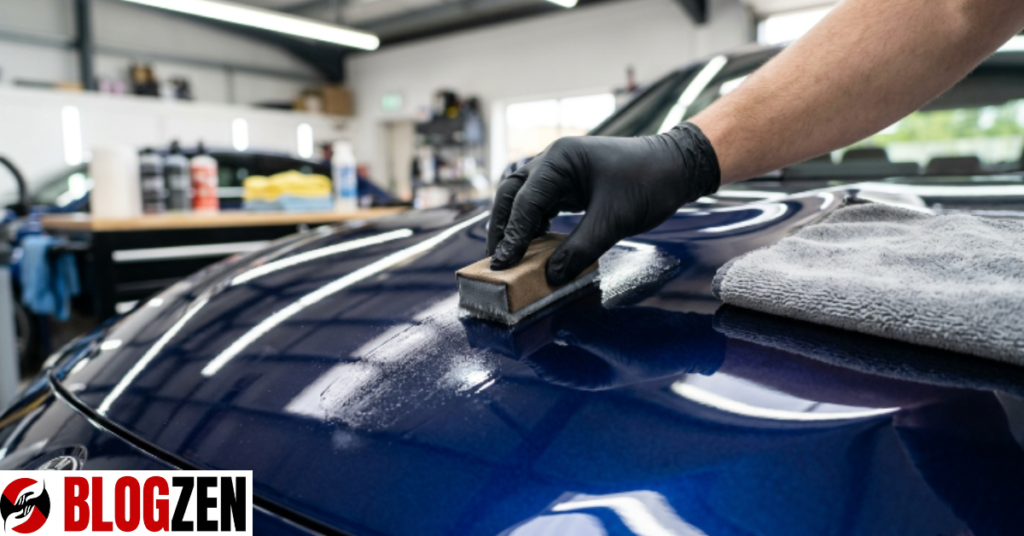
Before you wax your car, run a clay bar over the paint. This isn’t just for show cars — it removes bonded contaminants (brake dust, industrial fallout, tree sap residue) that washing can’t touch. Your hand should glide over the paint like glass after claying. Wax bonds better, lasts longer, and the result looks dramatically different. Clay bar kits cost around $12–$20 and one kit covers a full car two to three times.
Dryer Sheets for Bugs and Road Grime
Dried bug splatter is one of the hardest things to remove without scratching paint. Here’s what works: wet a dryer sheet, use it to gently rub the affected area, and the bonded insect residue lifts clean. The softening agents in the dryer sheet lubricate the surface just enough to release the grime. It works on the front bumper, hood, and windshield. Rinse the area with water immediately after and follow with a quick wax pass.
[External Link Suggestion: American Detailing Institute — adidetailing.com — for professional-grade technique guides and product comparisons]
Real-World Examples and Case Studies
Scenario 1: The $0 odor elimination
Sarah drives a 2019 SUV with two kids and a dog. The interior smelled like a combination of fast food, wet animal, and gym bag. She spent $80 on three different air fresheners and odor sprays over six months — none of them worked for more than a week. The fix cost her nothing: she sprinkled baking soda liberally over the seats and carpet, left it overnight, and vacuumed it up in the morning. The odor was gone. Baking soda doesn’t mask smells — it absorbs the odor-causing compounds at a molecular level. She now repeats this once a month and hasn’t bought a car freshener since.
Scenario 2: The paint swirl removal on a budget
A 2016 black sedan — notorious for showing every swirl mark — looked like it had been washed with sandpaper after five years of use. The owner priced a professional paint correction service at $350. Instead, he used a $14 dual-action polisher (handheld, battery-powered) with a foam applicator pad and a $9 bottle of finishing polish. Two hours later, the swirl marks were 80% gone under normal lighting and completely invisible in indirect light. Not a show-car finish, but a finish that made the car look five years newer. Total cost: $23.
Pro Tip: Black cars show swirls and scratches more than any other color. If you own one, invest in a waterless wash spray for weekly touch-ups — it’s gentler than a hose-and-bucket wash and prevents the micro-scratches that accumulate from regular washing.
Step-by-Step Guide — DIY Car Cleaning Hacks in Action
Here’s a full interior-to-exterior cleaning sequence using mostly household or low-cost materials:
- Dry vacuum the interior first — Remove all floor mats, shake them out, and vacuum the seats, carpet, and crevices with a crevice tool. Don’t skip under the seats — that’s where most debris accumulates and causes long-term odor.
- Treat fabric stains before anything else — Mix one part dish soap with two parts hydrogen peroxide (3% solution from the pharmacy). Apply to stains, let it dwell for 60 seconds, then blot — never rub — with a clean white cloth. This combination lifts coffee, grease, and most food stains from fabric without leaving a ring.
- Clean the dashboard and hard surfaces — Mix equal parts white vinegar and water in a spray bottle. Spray onto a microfiber cloth (never directly on electronics or screens), then wipe all hard surfaces. For screens, use a dry microfiber only — no liquid at all.
- Hit the air vents with a foam brush — As described above: compressed air first, foam brush second. Follow with a lightly damp microfiber wipe across the vent face to pick up anything left behind.
- Clean windows from the inside — Use the 50/50 vinegar-water mix. Spray the cloth, not the glass. Use horizontal strokes. Finish with a dry microfiber buff using vertical strokes. No streaks.
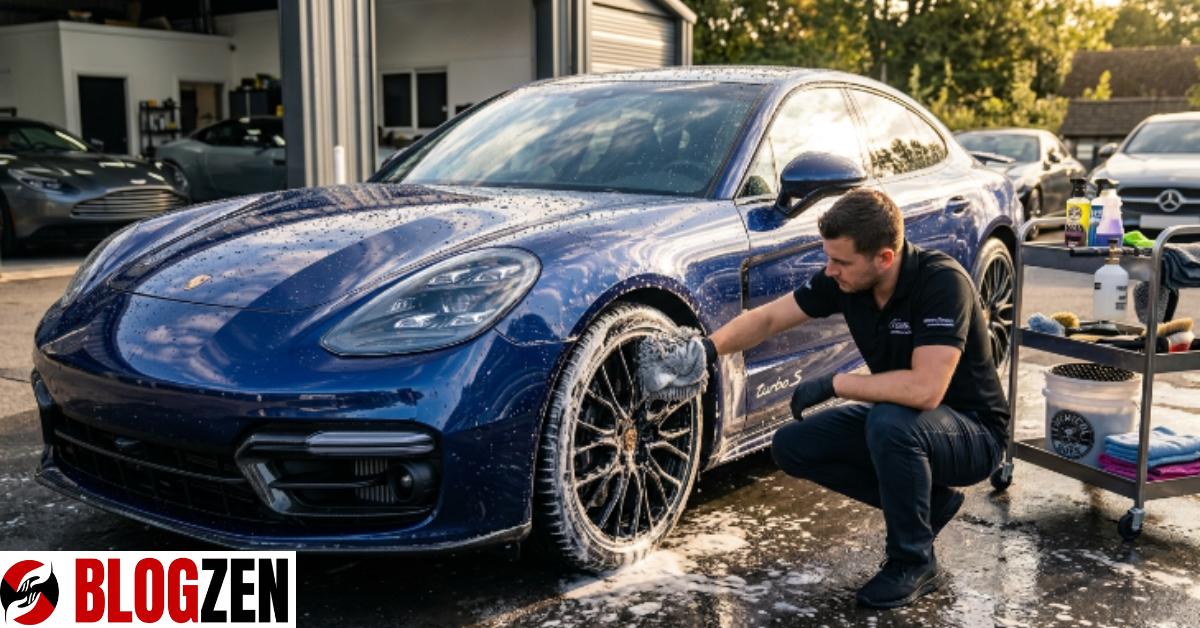
- Pre-soak the exterior before touching it — Rinse the car with a hose before you apply any soap. Dry wiping or applying soap to a dry dirty surface causes scratches. The pre-rinse removes loose debris so you’re not dragging it across the paint.
- Wash top to bottom, two-bucket method — One bucket for soapy water, one bucket for rinsing your mitt. This keeps dirty water from going back onto the paint — the single most impactful thing you can do to prevent swirl marks from washing.
Myths vs Facts — What to Avoid With DIY Car Cleaning
| Myth | Fact |
|---|---|
| Newspaper cleans glass without streaks | Newspaper ink transfers to trim and seals, leaving grey smears. Use microfiber only. |
| Toothpaste removes scratches from paint | Toothpaste is mildly abrasive and can temporarily improve very shallow scratches in clear coat, but it leaves a residue and offers no protection. It’s a last resort, not a method. |
| WD-40 can be used to clean the dashboard | WD-40 is petroleum-based and leaves an oily residue that attracts dust and can degrade vinyl and rubber over time. Use a proper interior protectant instead. |
| Washing with hot water cleans better | Hot water can cause spotting on paint and can warp or stress rubber seals. Use cool or lukewarm water for all exterior washing. |
| More soap = cleaner car | Excess soap is harder to rinse off, leaves residue, and can strip wax faster. One capful of car soap per bucket is usually enough. |
Conclusion
Three things matter most when it comes to DIY car cleaning hacks: using the right chemistry for each surface, giving products the dwell time to work, and using microfiber cloths instead of whatever rag is nearby. Those three shifts alone will make your results look professional without a professional price tag.
The biggest takeaway? You already have most of what you need. Baking soda, white vinegar, dish soap (used correctly), and microfiber cloths handle 80% of cleaning tasks that people pay $100+ for every few months. The hacks in this article aren’t shortcuts — they’re smarter methods that detailers use and rarely advertise.
Your move: pick one section from this article and try it this weekend. Start with the vinegar window cleaner if you’ve never done it — it’s the fastest win you’ll get. Then come back and tell us in the comments which hack surprised you most.
Because the cleanest car in the parking lot doesn’t have to be the most expensive one.
FAQs
What are the best DIY car cleaning hacks for the interior?
The most effective DIY car cleaning hacks for the interior focus on what you already own. Baking soda eliminates deep odors from carpet and seats overnight. A mix of dish soap and hydrogen peroxide lifts most fabric stains. White vinegar diluted with water cleans dashboards and windows without streaks. A foam paint brush clears air vents in minutes. Together, these four methods handle nearly every common interior cleaning problem without specialty products.
Can I use household products to clean my car without damaging it?
Yes, but with specific rules:
- White vinegar — safe on glass, hard surfaces, and fabric; avoid on metal trim without rinsing
- Baking soda — safe for odor absorption on carpet and seats; rinse thoroughly from painted surfaces
- Dish soap — safe for removing stains on fabric; avoid on exterior paint as a standalone wash (strips wax)
- Hydrogen peroxide (3%) — safe for fabric stain removal; avoid on colored leather
- Olive oil — safe for conditioning rubber seals; use sparingly to avoid greasy residue
How do I remove water spots using DIY car cleaning hacks?
Water spots are mineral deposits left when water evaporates. White vinegar dissolves them effectively because of its acidic pH. Spray undiluted white vinegar directly on the water spot, let it sit for 30–60 seconds, then wipe with a damp microfiber cloth. For severe or older spots, a mixture of equal parts water and isopropyl alcohol works better. After removing spots, apply a quick detailer spray or wax to protect the surface and prevent recurrence.
How often should I clean my car at home?
For most drivers, a quick interior wipe-down weekly and a full wash every two weeks keeps a car in good shape. Cars parked outside near trees or in coastal areas (salt air) need more frequent exterior washing — closer to weekly — to prevent paint and trim damage. A full interior deep clean using the methods in this article every one to two months is enough for non-commercial use. Spot-treat stains immediately rather than waiting for scheduled cleaning sessions.
What’s the cheapest way to make my car smell good long-term?
Skip air fresheners — they mask odors, not eliminate them. The most cost-effective long-term solution: sprinkle baking soda on carpet and seats, leave overnight, vacuum thoroughly. Follow that with a spray of diluted white vinegar on fabric surfaces (the vinegar smell disappears as it dries). For ongoing freshness, place an open box of baking soda under a seat. Coffee grounds in a small open container also absorb odors naturally. Total cost for months of freshness: under $2.
Are there any DIY car cleaning hacks that actually damage paint?
Yes — several popular ones cause real harm:
- Dish soap as a regular car wash strips protective wax and sealant from paint
- Pressure washing wheel wells at close range can damage brake lines and sensors
- Using a squeegee on paint — squeegees have hard edges that create fine scratches
- Wiping a dry dusty surface instead of rinsing first drags abrasive particles across the clear coat
- Using cola or acidic drinks on paint for “rust removal” etches the clear coat irreversibly
Always rinse surfaces before contacting them with any tool or cloth.
