


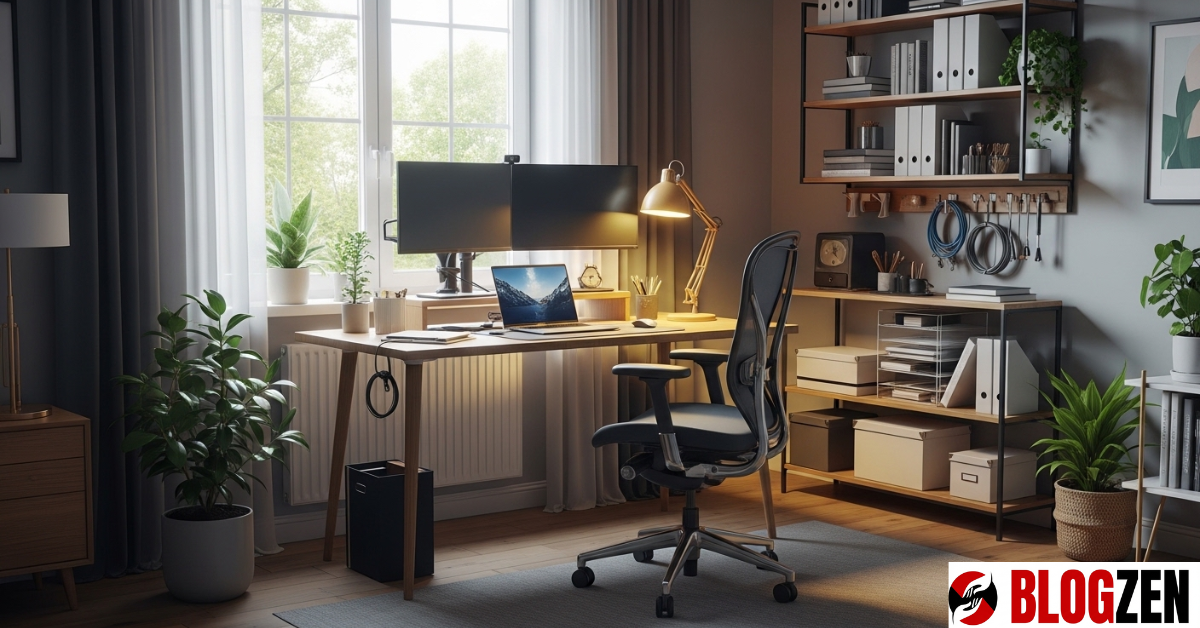
Have you ever sat down at your desk, ready to tackle the day, only to feel distracted by clutter, poor lighting, or an uncomfortable chair? I know I have, and it can turn what should be a productive session into a frustrating slog. In today’s world of remote work and hybrid schedules, crafting the best home office layout isn’t just a nice-to-have—it’s essential for maintaining focus, reducing stress, and boosting overall efficiency. Imagine transforming a corner of your home into a sanctuary where ideas flow freely and deadlines melt away. That’s the power of a well-thought-out workspace. In this article, we’ll dive into practical strategies to create the best home office layout that aligns with your needs, drawing from real-world experiences and expert insights to help you thrive.
Why Your Home Office Layout Matters More Than You Think
Let’s start with the basics: why bother optimizing your home office at all? For many of us, the shift to working from home blurred the lines between professional and personal life. A subpar setup can lead to back pain, eye strain, and that nagging sense of disorganization that kills motivation. On the flip side, the best home office layout can enhance your mental clarity and energy levels. Studies show that an ergonomic environment can increase productivity by up to 20%, but honestly, from my own trial and error, it feels even more impactful.
Think about it—your workspace is where you spend hours brainstorming, collaborating via video calls, and grinding through tasks. If it’s cramped or uninspiring, you’re fighting an uphill battle. However, by focusing on elements like spatial flow, furniture placement, and ambient details, you can create a zone that supports peak performance. Moreover, in a time when remote work is here to stay, investing in the best home office layout pays dividends in work-life balance and job satisfaction. It’s not about perfection; it’s about making small, intentional changes that add up to big results.
Essential Elements for the Best Home Office Layout
To build the best home office layout, you need a strong foundation. This isn’t about splurging on fancy gadgets—though those can help—it’s about aligning your space with how you actually work. Let’s break it down into key components.
Choosing the Right Location in Your Home
The first step toward the best home office layout is selecting a spot that minimizes distractions while maximizing comfort. Ideally, pick a quiet room or nook away from high-traffic areas like the kitchen or living room. I’ve found that a spare bedroom or even a converted closet can work wonders if you’re short on space. Consider natural light sources; positioning your desk near a window can reduce reliance on artificial lighting and improve mood.
However, if noise is an issue, think about soundproofing options like adding rugs or curtains. In urban apartments, where space is premium, multi-purpose areas might be necessary—perhaps a foldable desk in the dining room that tucks away after hours. The goal is to create a dedicated zone that signals to your brain, “This is work time.” By prioritizing location, you’re setting the stage for a productive home workspace that feels separate from daily chaos.
Ergonomic Furniture: The Backbone of Your Setup
No discussion of the best home office layout is complete without talking ergonomics. Start with a sturdy desk at the right height—aim for one where your elbows rest at 90 degrees while typing. Adjustable standing desks are game-changers; they allow you to switch between sitting and standing, combating the sedentary slump that comes with desk jobs.
Pair it with an ergonomic chair that supports your lower back and promotes good posture. I remember upgrading mine a few years back, and the difference in my energy by afternoon was night and day. Don’t forget monitor placement: keep screens at eye level to avoid neck strain. For those with multiple displays, arrange them in a semi-circle for seamless workflow. Incorporating footrests or wrist supports can further refine this, turning your setup into a health-conscious haven.
Lighting and Ambiance for Focus and Well-Being
Lighting plays a starring role in the best home office layout. Harsh overhead lights can cause headaches, so blend natural daylight with adjustable task lamps. LED bulbs with warm tones mimic sunlight and reduce eye fatigue during long sessions. Position lamps to eliminate glare on your screen—I’ve learned the hard way that reflections can derail concentration.
Ambiance extends beyond light; add plants for a touch of nature, which studies suggest can lower stress and boost creativity. A diffuser with calming scents like lavender can enhance the vibe without overwhelming. Temperature control is key too—keep it between 68-72 degrees Fahrenheit for optimal alertness. These elements combine to create an inviting atmosphere that keeps you engaged.
Storage and Organization: Keeping Clutter at Bay
Clutter is the enemy of productivity, so smart storage is crucial in the best home office layout. Use shelves, drawers, and cable organizers to maintain order. Vertical storage maximizes floor space, especially in small rooms—think wall-mounted units for books and supplies.
Label everything for quick access, and adopt a “one in, one out” rule to prevent accumulation. Multi-functional furniture, like desks with built-in compartments, streamlines this. In my experience, a tidy desk clears the mind, allowing ideas to flourish without the visual noise of disarray.
Productivity-Boosting Design Tips for Your Home Office
Now that we’ve covered the essentials, let’s explore actionable tips to elevate your space. These aren’t rigid rules but flexible ideas to adapt to your style.
- Incorporate Color Psychology: Opt for blues and greens to promote calm and focus. A splash of yellow can energize creative tasks, but avoid overwhelming reds that might amp up stress.
- Zone Your Space: Divide your office into areas for focused work, breaks, and storage. This mental separation enhances efficiency.
- Tech Integration: Hide cords with management sleeves for a clean look. Invest in wireless peripherals to reduce tangles.
- Personal Touches: Add motivational art or family photos, but keep it minimal to avoid distraction.
- Acoustic Enhancements: Use white noise machines or soft music to drown out background sounds, fostering deep work.
By weaving these into your best home office layout, you’ll notice subtle shifts in how you approach tasks—more flow, less friction.
Common Mistakes to Avoid in Home Office Design
Even with the best intentions, pitfalls abound when designing the best home office layout. One biggie is ignoring ergonomics, leading to chronic discomfort. Another is overloading on tech without proper organization, resulting in a web of wires that frustrates more than helps.
Don’t skimp on lighting; dim spaces sap energy. Overpersonalizing can turn inspirational into chaotic—strike a balance. Finally, neglecting breaks by not including a comfy spot to step away can lead to burnout. Awareness of these errors helps you sidestep them, ensuring your setup supports long-term success.
Advanced Tweaks for Specific Work Styles
Tailoring the best home office layout to your routine amps up its effectiveness. For creatives, include inspiration boards or flexible seating. Tech pros might prioritize dual monitors and high-speed hubs. If you’re in meetings often, optimize for video with neutral backdrops and good microphones.
Consider standing mats for dynamic workers or lap desks for those who roam. These customizations make your space uniquely yours, enhancing job fulfillment.
Integrating Wellness into Your Workspace
Wellness isn’t an afterthought in the best home office layout—it’s integral. Incorporate movement with under-desk bikes or yoga mats nearby. Hydration stations, like a water bottle holder, encourage healthy habits. Air purifiers combat stuffiness, especially in enclosed areas.
Mindful elements, such as ergonomic keyboards or blue-light filters, protect against strain. Over time, these foster a holistic environment where physical and mental health thrive alongside productivity.
Budget-Friendly Ideas for Every Home
You don’t need a fortune to achieve the best home office layout. Thrift stores offer gems like vintage desks that add character. DIY solutions, such as repurposed bookshelves, save cash while personalizing. Affordable online finds for chairs and lamps abound.
Start small: rearrange existing furniture before buying. This approach makes optimization accessible, proving that smart design trumps expense.
Real-Life Examples of Transformative Setups
Picture this: a freelance writer turns a sunny alcove into the best home office layout with a floating desk and potted ferns. Productivity soars as natural light fuels her words. Or a software developer in a tiny apartment uses modular shelves for gear, creating order from chaos.
These stories illustrate that with creativity, any space can evolve. I’ve seen friends revamp basements into bright hubs, blending functionality with flair.
Scaling Up for Larger Homes
In bigger residences, the best home office layout might involve dedicated rooms. Add built-ins for seamless storage or sound-absorbing panels for privacy. Large windows invite views, but curtains control light. This scale allows for lounges or collaboration zones if you host virtual teams.
Sustainability in Home Office Design
Eco-friendly choices enhance the best home office layout. Opt for recycled materials in furniture or energy-efficient LEDs. Plants not only beautify but purify air. Sustainable practices, like digital note-taking to reduce paper, align with modern values.
This mindful approach feels good and sets a positive tone for your workday.
Future-Proofing Your Space
As work evolves, so should your setup. Modular pieces adapt to changes, like adding a second screen. Tech upgrades, such as smart plugs, future-proof efficiency. Regularly reassess to keep the best home office layout relevant.
Conclusion: Take Action on Your Best Home Office Layout Today
Wrapping it up, creating the best home office layout is about more than aesthetics—it’s a pathway to heightened productivity, better health, and genuine enjoyment in your work. From selecting the ideal spot and ergonomic essentials to avoiding common pitfalls and adding personal flair, these strategies empower you to craft a space that works for you. Remember, small tweaks can yield massive gains, so start with one change today.
What’s your biggest challenge in setting up a home office? Share in the comments below—I’d love to hear your thoughts and maybe even swap ideas. If this resonated, pass it along to a friend juggling remote work. Your perfect workspace awaits; go make it happen!
