


Quick Answer
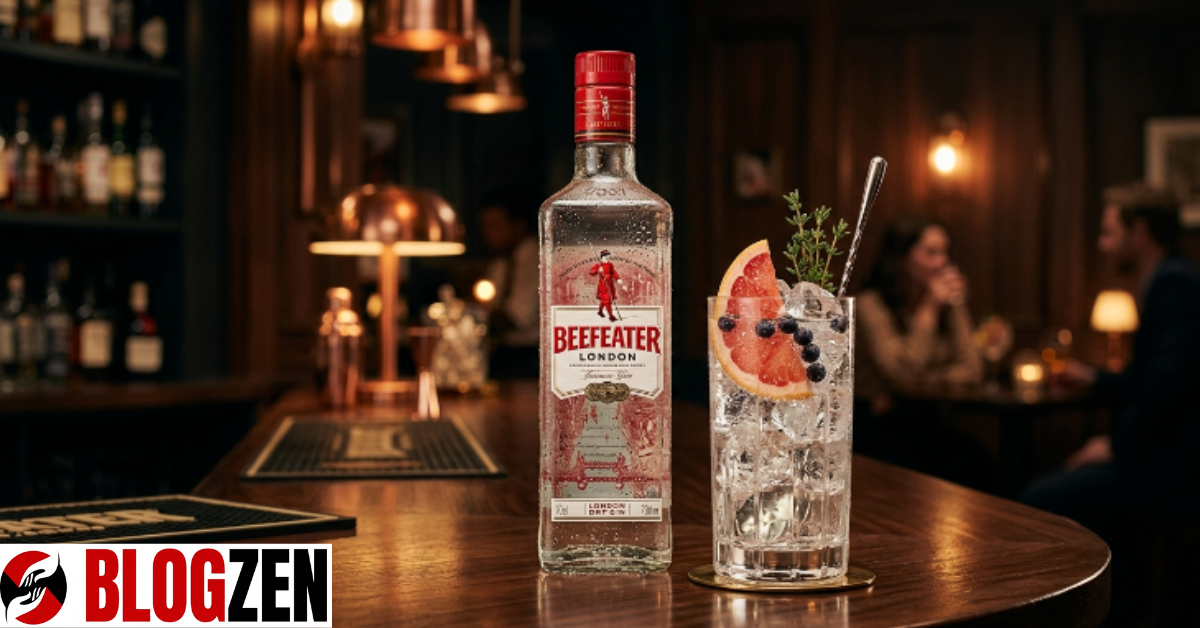
Beefeater Gin is a London Dry Gin distilled in London since 1863 using nine botanicals, including juniper, angelica root, and Seville orange peel. It’s known for a crisp, citrus-forward profile that works equally well in a classic gin and tonic or a Martini. It remains one of the few major gins still distilled within London’s city limits.
Why This Bottle Still Turns Heads After 160 Years
A gin brand surviving four generations of drinking trends isn’t luck — it’s engineering. Beefeater Gin has been made in the same corner of London since Victorian England, and it’s still one of the few genuine London Dry Gins actually distilled inside the city that gives the style its name.
Here’s what nobody tells you: most gins on your shelf borrow the “London Dry” label as a style description, not a location. Beefeater is one of the rare exceptions where geography and recipe both hold true. That single fact explains a lot about why bartenders keep reaching for it decades after flashier brands come and go.
In this piece, you’ll learn what actually goes into the bottle, how the distillation process shapes the flavor, where people get it wrong, and how to drink it the way it was designed to be enjoyed. By the end, you’ll understand this gin better than most people who’ve been drinking it for years.
READ MORE: Chocolate Alcohol Drinks What You’re Probably Getting Wrong
What Is Beefeater Gin and Why It Matters Today
Beefeater is a London Dry Gin, first produced commercially in 1863 by James Burrough. That single detail matters more than most reviews let on — “London Dry” is a legally regulated production method, not just a marketing phrase.
The gin gets its name from the ceremonial Yeomen Warders who guard the Tower of London, nicknamed “Beefeaters.” The branding leans hard into British identity, and the liquid backs it up with a dry, juniper-led flavor that avoids added sugar or artificial flavoring after distillation.
What makes this relevant now is context. As the craft gin boom has flooded shelves with experimental, fruit-heavy bottles, Beefeater has stayed close to its original formula. That consistency is exactly why it’s still a bartender favorite — you know what you’re getting every single time.
READ MORE: How Low Calorie Alcohol Drinks Actually Work And Why It Matters
How Beefeater Gin Actually Works (The Production Process)
Most people assume gin is just vodka with juniper dropped in. That’s not how this works, and understanding the real process changes how you taste it.
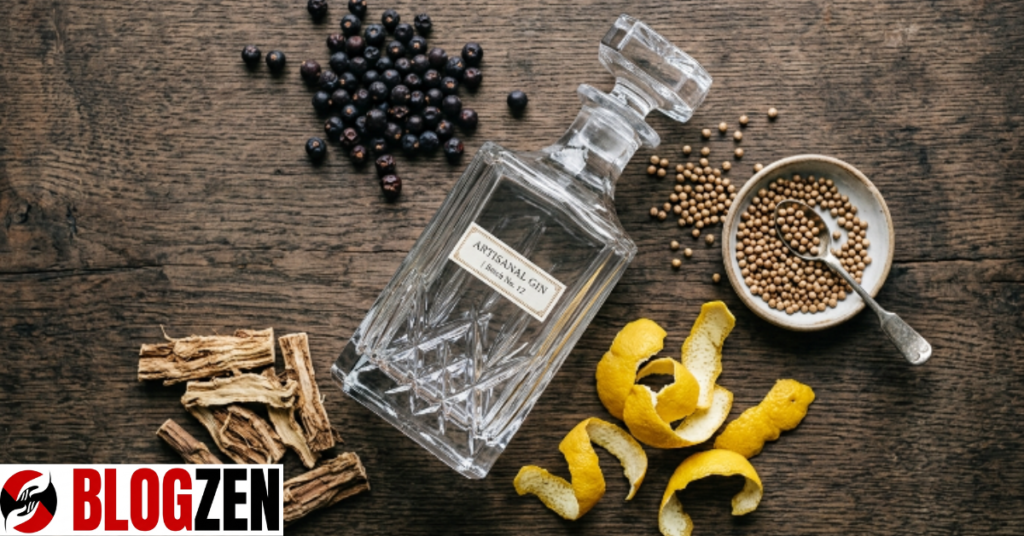
Beefeater starts with a neutral grain spirit, then steeps nine botanicals — juniper berries, coriander seeds, angelica root, angelica seeds, orris root, liquorice, almonds, Seville orange peel, and lemon peel — for a full 24 hours before distillation. Steeping time is the detail most competitors skip or shorten.
The soaked botanicals then go through a single-shot copper pot still distillation. Single-shot means every batch is distilled at drinking strength in one pass, rather than distilled concentrated and diluted later. Think of it this way: it’s the difference between brewing one strong pot of coffee versus stretching a concentrate with hot water. One preserves nuance. The other doesn’t.
Pro Tip: If a gin bottle doesn’t specify “single-shot” or “small batch,” it’s likely distilled at high concentration and diluted afterward — which can flatten some of the botanical complexity.
Beefeater Gin vs Other London Dry Gins
Not all London Dry Gins taste alike, even when the label says the same thing. Here’s how Beefeater stacks up against two other well-known bottles.
| Feature | Beefeater Gin | Tanqueray | Bombay Sapphire |
|---|---|---|---|
| Botanical count | 9 | 4 | 10 |
| Distillation method | Single-shot, steeped 24 hrs | Single-shot | Vapor infusion |
| Flavor profile | Citrus-forward, dry | Juniper-heavy, sharp | Floral, light |
| ABV (standard) | 40% | 43.1% | 40% |
| Best in | Martini, G&T | G&T, Negroni | G&T, Gimlet |
The steeping step is what separates Beefeater from vapor-infused gins like Bombay Sapphire. Steeping pulls oils directly from the botanicals into the liquid, giving a slightly heavier, more citrus-rounded body than vapor methods produce.
READ MORE: Why Is Drinking Alcohol a Sin The Answer Isn’t What You Think
Common Mistakes People Make With Beefeater Gin
Most people get this completely wrong: they treat every gin the same way at the bar, and it shows in the drink.
- Using a heavy, over-sweetened tonic that buries the citrus notes instead of complementing them
- Serving it too warm — gin loses its crispness fast above fridge temperature
- Skipping the garnish entirely, when a simple orange twist actually activates the peel oils the botanicals were built around
The truth is, garnish choice isn’t decoration here — it’s functional. Beefeater’s Seville orange peel botanical was specifically chosen to pair with citrus garnish, not lemon by default. Matching your garnish to the actual botanical bill makes a measurable difference in the glass.
Expert Tips and Proven Strategies for Serving It
Bartenders who work with Beefeater regularly follow a few consistent habits that casual drinkers usually skip.
First, they chill the glass, not just the gin. A room-temperature glass warms the drink within minutes, dulling the citrus lift that makes this gin distinct. Second, they measure tonic ratio carefully — a 1:2 gin-to-tonic ratio (roughly 50ml gin to 100ml tonic) lets the botanical profile stay forward instead of getting diluted into background noise.
For a Martini, Beefeater’s dry, juniper-forward structure holds up well against a lower vermouth ratio, around 5:1 gin to vermouth, without turning harsh. Here’s what nobody tells you about that ratio: it only works because the gin itself isn’t neutral-tasting to begin with — a thinner gin needs more vermouth to compensate.
Real-World Examples of How People Actually Drink It
London’s cocktail scene treats Beefeater as a workhorse bottle rather than a novelty. It shows up consistently in high-volume bars precisely because bartenders trust its consistency batch to batch — something harder to guarantee with smaller artisanal producers.
Beefeater 24, a variant using Japanese sencha and Chinese green tea alongside the original nine botanicals, has become popular with drinkers who want something closer to the original recipe but slightly more layered. It’s not a replacement for the classic bottle — it’s a deliberate variation, not an “upgrade,” despite how it’s sometimes marketed.
Home bartenders who batch cocktails for parties often default to Beefeater specifically because its flavor doesn’t shift unpredictably when diluted or mixed in bulk, unlike some botanically lighter gins that go flat in large-format pitchers.
Myths vs Facts About Beefeater Gin
A lot of what people believe about this gin doesn’t hold up once you check it against the actual production notes.
Myth: All London Dry Gin is made in London. Fact: London Dry is a production style regulated by EU/UK spirit law, not a location requirement. Beefeater happens to still be made there — most competitors aren’t.
Myth: More botanicals always means better flavor. Fact: Balance matters more than count. Beefeater’s nine botanicals are deliberately proportioned; adding more without adjusting ratios usually muddies the profile rather than improving it.
Myth: Gin doesn’t expire or change once opened. Fact: An opened bottle stored away from light and heat lasts a long time, but oxidation slowly dulls citrus and botanical notes over 1-2 years — noticeable to an experienced palate, even if casual drinkers rarely catch it.
Final Thoughts
Beefeater Gin earns its reputation through process, not packaging — the 24-hour steep, single-shot distillation, and unchanged nine-botanical recipe are the real reasons it tastes the way it does. Whether you’re mixing a Martini or a simple gin and tonic, matching your serve style to the actual botanical bill makes a real difference in the glass.
Next time you pour a glass, try the citrus garnish trick and notice the difference yourself. Which serve are you trying first — a classic G&T or a dry Martini? Drop your choice in the comments.
FAQs
Is Beefeater Gin considered a premium gin?
Beefeater sits in the mid-to-premium range rather than the ultra-luxury tier. It’s priced accessibly compared to boutique small-batch gins, but its production standards — single-shot distillation and 24-hour steeping — match methods used by higher-priced competitors, making it a strong value choice for quality-conscious drinkers.
What’s the difference between Beefeater and Beefeater 24?
Beefeater 24 adds Japanese sencha tea and Chinese green tea to the original nine botanicals, creating a slightly more herbal, layered profile. It’s bottled at a higher ABV (45%) than the standard release. Both share the same distillery and base recipe philosophy, just with different finishing notes.
Does Beefeater Gin work well in cocktails other than a G&T?
Yes. Its dry, citrus-forward structure makes it versatile beyond the gin and tonic. It performs well in:
- Classic Martinis, where its dryness balances vermouth cleanly
- Negronis, where it holds its own against Campari’s bitterness
- Gimlets, where the citrus notes pair naturally with lime cordial
Why is Beefeater Gin associated with London specifically?
Unlike many “London Dry” gins made elsewhere, Beefeater has been distilled within London’s city limits since the 1860s. This geographic continuity, paired with the brand’s Tower of London-inspired name and imagery, ties the product directly to the city’s identity rather than just the gin style.
How should Beefeater Gin be stored once opened?
Store it upright, away from direct sunlight and heat, ideally at room temperature or slightly cooler. Unlike wine, gin doesn’t need refrigeration, though chilling before serving improves taste. Once opened, flavor quality is best within 1-2 years, as slow oxidation gradually softens the citrus and botanical notes.
Is Beefeater Gin gluten-free?
Beefeater is distilled from grain, but the distillation process removes gluten proteins, and the finished spirit tests below detectable gluten levels in most markets. Highly sensitive individuals with celiac disease should still check current label certifications, as formulations and regulations can vary by region. VISIT BLOGZEN
