



Quick Answer
Vitamin T (also called torulitine) isn’t an official vitamin at all. It’s a group of compounds found in egg yolks, sesame seeds, and yeast that some believe support blood cell strength and memory. No major health body recognizes it, and research on it is thin. It’s also slang for testosterone in bodybuilding circles — a completely different thing.
Ever typed “Vitamin T” into Google and gotten three totally different answers? You’re not imagining things. This single term hides one of the strangest naming mix-ups in the supplement world.
Here’s what nobody tells you upfront: vitamin T isn’t officially a vitamin. It never made the list alongside A, B, C, D, E, or K. Yet it shows up in old nutrition textbooks, bodybuilding forums, and even wellness blogs, each one meaning something slightly different. By the end of this article, you’ll know exactly what vitamin T is, where the term came from, why it confuses people, and whether it’s worth your attention at all.
What Is Vitamin T and Why Everyone’s Suddenly Curious
Let me explain why this matters. Vitamin T, also known as torulitine, was first described decades ago as a substance found in insect cuticles, mold, and yeast fermentation liquor. Scientists at the time thought it helped speed up maturation and protein synthesis in these organisms.
Here’s the twist. Most nutrition experts today agree it isn’t a true vitamin. A real vitamin is a nutrient your body needs in small amounts to regulate metabolism, and it has to meet strict scientific criteria. Torulitine never cleared that bar consistently enough to earn a permanent seat at the table.
The truth is, the name stuck around anyway. It’s often linked to egg yolks, sesame seeds, and tahini, and some sources claim it supports red blood cell strength. Think of it this way: it’s less like vitamin C and more like a leftover label from an earlier era of food science that never got fully updated.
READ MORE: Best Vitamin D Supplement 2026 What Experts Know That You Don’t
How Vitamin T Actually Works Inside Your Body
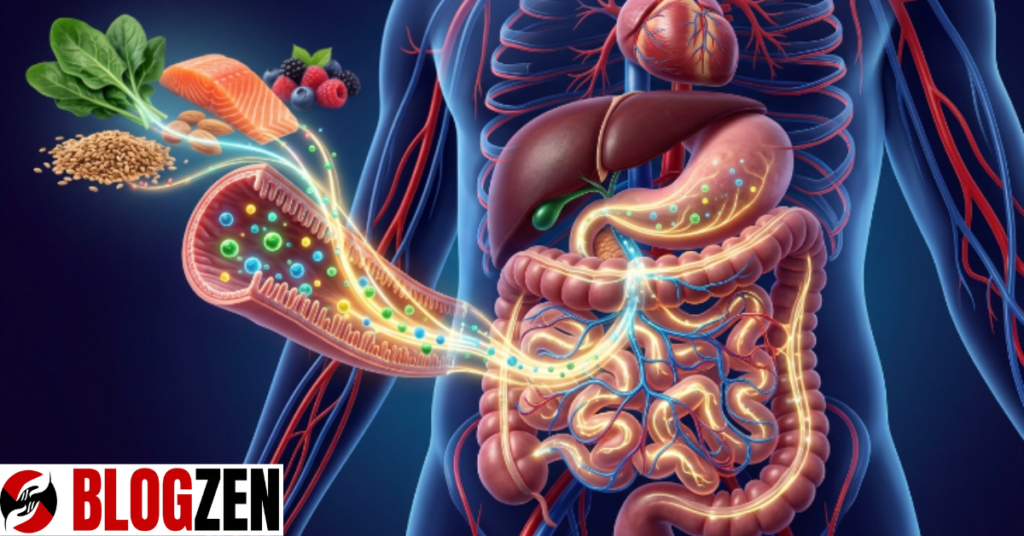
Most people get this completely wrong: they assume vitamin T works like a typical B-vitamin, absorbed and used the same predictable way. It doesn’t, mainly because there isn’t enough consistent research to map out a clear mechanism.
What we do know is limited but interesting. Torulitine is water-soluble, meaning your body can’t store large amounts of it long-term. Some older studies suggest it may play a role in strengthening red blood cells, which is why it occasionally gets mentioned alongside conditions like anemia.
Pro Tip: If you’re researching vitamin T for a health condition, talk to a doctor first. Since it isn’t a regulated nutrient, dosage guidance simply doesn’t exist the way it does for vitamin D or B12.
Sesame seeds and tahini contain naturally occurring amounts of it, and so do egg yolks. That’s really the extent of what modern science confidently confirms. Everything beyond that dips into speculation rather than proven fact.
Common Mistakes People Make With Vitamin T
The biggest mistake? Assuming “vitamin T” always means the same thing. It doesn’t. Search results mix together three completely separate concepts, and confusing them can lead you down the wrong path entirely.
The second mistake involves supplements. Some testosterone-boosting products marketed to men are labeled “Vitamin T,” which has zero connection to torulitine or nutrition science. These are testosterone-support blends using herbs like fenugreek and tribulus, not an actual vitamin compound.
The third mistake is treating slang as medical fact. In bodybuilding and transgender health communities, “vitamin T” often refers casually to testosterone therapy itself. That’s a legitimate medical topic, but it has nothing to do with the nutritional torulitine discussed in older food science.
Knowing which “vitamin T” you’re actually researching changes everything about how you should approach it.
Expert Tips and Proven Strategies for Getting Enough Vitamin T
If you’re specifically interested in the nutritional compound, the strategy is simple: eat the foods where it naturally occurs. You don’t need a supplement bottle to get exposure to torulitine.
Sesame seeds and tahini are your easiest options. A tablespoon of tahini in your morning smoothie or a sprinkle of sesame seeds on a salad gets the job done without any complicated dosing. Egg yolks work the same way — cook them soft to preserve more of their nutrient content.
Pro Tip: Pair sesame-based foods with a source of vitamin C, like citrus or bell peppers. It won’t boost torulitine specifically, but it supports the overall blood-health benefits some people associate with these foods.
Here’s what nobody tells you about supplement shopping: if a bottle promises dramatic “vitamin T” benefits, check the actual ingredient label. You’ll usually find testosterone-support herbs, not torulitine, hiding behind a catchy name.
Real-World Examples of Vitamin T Confusion
A quick scan of online forums shows exactly how tangled this term has become. On bodybuilding sites, guys discuss “vitamin T” as shorthand for testosterone cycles and recovery. On wellness blogs, writers describe travel itself as “Vitamin T,” a playful metaphor with zero connection to nutrition.
Meanwhile, food bloggers writing about Mexican cuisine use “Vitamin T” as a fun nickname for foods starting with T — tacos, tostadas, tamales. It’s a clever wordplay moment, not a scientific claim.
Then there’s the original torulitine reference, tucked away in old nutrition dictionaries and occasionally referenced by supplement companies trying to sound scientific. The name survived across four unrelated contexts, and that’s rare for any nutrient term.
Step-by-Step Guide to Figuring Out Which Vitamin T You Need
- Identify your context. Are you researching food science, bodybuilding, hormone therapy, or just enjoying wordplay? This single step eliminates most of the confusion instantly.
- Check the source. Medical dictionaries and food science sites usually mean torulitine. Fitness forums almost always mean testosterone.
- Read supplement labels carefully. If a product calls itself “Vitamin T,” look past the marketing name and check the actual ingredient list.
- Talk to a professional if health decisions are involved. This applies especially to anyone considering testosterone therapy, since that’s a serious medical decision requiring proper guidance.
- Adjust your diet naturally if you’re after the nutritional compound. Sesame seeds, tahini, and egg yolks are your simplest, safest options.
READ MORE: Best Probiotic for Women 2026 What Experts Know That Most Labels Don’t Tell You
Myths vs Facts About Vitamin T
Myth: Vitamin T is an officially recognized essential vitamin. Fact: it isn’t classified alongside vitamins A through K by major health authorities.
Myth: Every supplement labeled “Vitamin T” contains the same ingredients. Fact: most actually contain testosterone-boosting herbs, completely unrelated to torulitine.
Myth: You need a supplement to get vitamin T. Fact: everyday foods like sesame seeds and egg yolks already contain it naturally.
| Vitamin T Context | What It Actually Means | Where You’ll See It |
|---|---|---|
| Torulitine (nutrition) | Compound in egg yolks, sesame seeds | Old nutrition dictionaries |
| Bodybuilding slang | Exogenous testosterone | Fitness forums, gym culture |
| Supplement branding | Testosterone-boosting herbal blend | Product labels, e-commerce |
| Wordplay/lifestyle | Travel, or foods starting with “T” | Wellness and food blogs |
What to Avoid When Researching Vitamin T
Avoid buying any supplement purely because it’s labeled “Vitamin T” without reading the ingredient panel first. The name alone tells you almost nothing useful about what’s actually inside.
Avoid assuming torulitine has strong scientific backing simply because it appears in older reference books. Most current nutrition science treats it as a minor, poorly studied compound rather than an essential nutrient.
Avoid mixing up testosterone therapy discussions with basic nutrition advice. These are two entirely different conversations that happen to share a nickname, and confusing them can lead to poor health decisions.
Conclusion
Vitamin T isn’t one thing — it’s four different ideas wearing the same name tag. The nutritional version, torulitine, shows up naturally in sesame seeds and egg yolks, but it lacks the scientific status of a true vitamin. The supplement-shelf version is usually testosterone support in disguise. And in casual conversation, it might just mean tacos or a good vacation.
So next time you see “Vitamin T” somewhere, pause and ask: which one is this actually talking about? That one question saves you from wasted money and wasted research time.
What’s your take — had you heard of vitamin T before today, or did one of these meanings completely surprise you? Drop your thoughts below, and check out our guide on [essential vitamins your body actually needs] for the nutrients that really matter.
FAQs
What exactly is vitamin T made of?
Vitamin T, or torulitine, is believed to be a mixture of folic acid, vitamin B12, and DNA nucleotides rather than a single, distinct compound. It was originally identified in yeast fermentation liquor and insect cuticle. Because it’s not a unified molecule, scientists don’t classify it the same way they do true vitamins like B12 or C.
Is vitamin T the same as testosterone?
No, not in the nutritional sense, though the slang usage overlaps. In bodybuilding and some medical communities, “vitamin T” casually refers to testosterone supplementation or therapy. In food science, vitamin T (torulitine) refers to an entirely different compound found in foods like sesame seeds and eggs.
Can I get vitamin T from food naturally?
Yes, and it’s easier than you’d think. Foods known to contain torulitine include:
- Egg yolks
- Sesame seeds
- Tahini paste
These foods don’t require any special preparation, so adding them to your regular meals is enough exposure for most people.
Why isn’t vitamin T on the official vitamin list?
Major health authorities require nutrients to meet strict criteria before earning vitamin status, including proven metabolic necessity in humans. Torulitine hasn’t consistently met that bar, and most current research treats it as a minor or obsolete classification rather than an essential nutrient.
Are vitamin T supplements safe to take?
Supplements branded “Vitamin T” usually contain testosterone-boosting herbs like fenugreek or tribulus, not torulitine itself. Safety depends entirely on the actual ingredients, dosage, and your personal health history, so checking with a doctor before starting any hormone-related supplement is the safest approach.
Does vitamin T help with memory or blood health?
Some older sources suggest torulitine may support red blood cell strength and possibly memory, but this claim isn’t backed by strong modern clinical research. Treat these benefits as unproven rather than guaranteed, and rely on well-established nutrients for memory and blood health instead. VISIT BLOGZEN
