


Quick Answer
The best shampoos for dry scalp contain hydrating agents like glycerin, salicylic acid, or zinc pyrithione instead of harsh sulfates. Look for fragrance-free, pH-balanced formulas that calm irritation while cleansing gently. Avoid daily washing with strong detergents, since that strips natural oils and makes flaking worse over time.
Your scalp is trying to tell you something, and you’ve probably been ignoring it. That constant itch, the flakes on your dark shirt, the tightness after every shower — none of that is normal, and it’s not just “dry skin.” Choosing the best shampoos for dry scalp isn’t about grabbing whatever’s on sale at the drugstore. It’s about understanding what’s actually happening under your hair, then treating it correctly.
Here’s what nobody tells you: most people make their dry scalp worse by using the wrong products for months, sometimes years, before realizing the shampoo itself is the problem. In this guide, you’ll learn exactly what causes a dry, flaky scalp, which ingredients actually help, which ones make things worse, and how to build a routine that finally works. No fluff. Just what you need to fix this.
What Is Dry Scalp and Why It Matters Today
Dry scalp happens when the skin on your head loses moisture faster than it can replace it. This leads to flaking, tightness, and often an itch that never seems to fully go away. It’s different from dandruff, which is usually caused by a yeast-like fungus called Malassezia rather than simple dehydration.
The reason this matters more now than ever is environmental. Indoor heating, harsh weather swings, and over-washing with sulfate-heavy shampoos have made dry scalp one of the most common complaints dermatologists hear. Think of it this way: your scalp is skin, just like your face, and it needs the same gentle care.
Untreated dry scalp doesn’t just cause discomfort. It can lead to micro-cracks in the skin, increased sensitivity, and even hair thinning if the irritation triggers excessive scratching. That’s why picking the right shampoo isn’t cosmetic — it’s a health decision.
How the Right Shampoo Actually Works
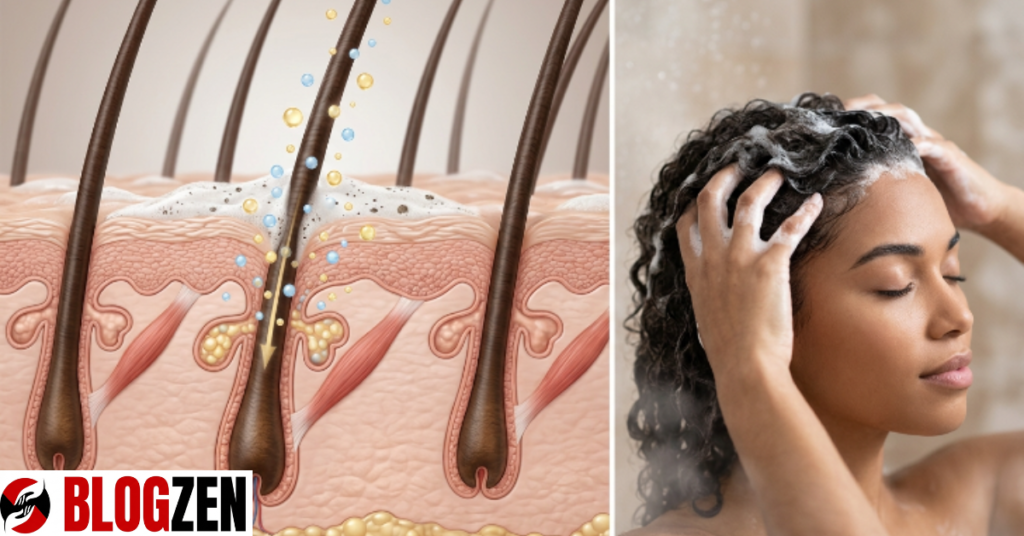
A good shampoo for dry scalp does two jobs at once: it cleanses without stripping, and it delivers ingredients that calm irritation. Most standard shampoos are built to remove oil aggressively, which is exactly the opposite of what a dry scalp needs.
Let me explain why this matters. Sulfates like sodium lauryl sulfate create that big lather you’re used to, but they also break down your scalp’s natural lipid barrier. Once that barrier is gone, moisture escapes faster, and the itch-scratch cycle begins. The best formulas swap sulfates for gentler surfactants that clean just as well without the damage.
Ingredients like ceramides, glycerin, and hyaluronic acid work by pulling moisture into the skin and locking it there. Salicylic acid and zinc pyrithione, on the other hand, help remove built-up dead skin cells and control microbial activity that can worsen flaking. The combination of hydration plus gentle exfoliation is what separates an effective shampoo from a generic one.
Pro Tip: Apply shampoo only to your scalp, not the length of your hair. Let the lather rinse down naturally — this avoids over-washing your strands while still cleaning the scalp properly.
Common Mistakes People Make With Dry Scalp Shampoos
Most people get this completely wrong from the start. They see flakes and assume it’s dandruff, so they reach for the strongest anti-dandruff shampoo on the shelf. That approach often backfires when the real issue is dehydration, not fungus.
Another frequent mistake is washing too often. Daily washing with a harsh formula strips oils faster than your scalp can produce them, creating a cycle where you wash more to deal with flakes that your washing routine is actually causing. Two to three times a week is usually enough for most people.
Temperature matters too. Hot water feels good but it dries out the scalp barrier fast. Lukewarm water is gentler and won’t undo the benefits of a good shampoo.
- Using shampoo with added fragrance on a sensitive scalp
- Skipping conditioner, which leaves the scalp under-moisturized
- Scratching wet hair aggressively while washing
The truth is, fixing dry scalp is often less about finding a miracle product and more about correcting these small daily habits.
Expert Tips and Proven Strategies
Dermatologists consistently recommend a layered approach rather than relying on shampoo alone. Start with a gentle, sulfate-free cleanser, follow with a hydrating conditioner, and finish with a scalp oil or serum once or twice a week.
Patch testing new products for a few days before full use can prevent unexpected irritation, especially if your scalp reacts easily. Rotating between a treatment shampoo and a purely moisturizing one can also help — using the treatment formula two times a week and a gentler one the rest of the time.
Consistency matters more than intensity. A mild shampoo used correctly for a month will outperform a strong medicated one used inconsistently. Your scalp barrier needs time to rebuild, usually four to six weeks before you see a real difference.
Pro Tip: Massage your scalp for 60 seconds while shampooing. This boosts circulation and helps product actually reach the skin instead of just coating your hair.
Real-World Examples and Case Scenarios
Consider someone who washes their hair daily with a strong clarifying shampoo because their scalp always feels oily by the afternoon. In reality, that oiliness is often a rebound effect — the scalp overproduces sebum to compensate for the moisture being stripped away each morning.
Switching to a gentle, hydrating formula and reducing wash frequency to three times a week often resolves this within a few weeks. The scalp stops overcompensating once it isn’t being stripped constantly.
Another common case involves people who move to drier climates or start using stronger heating or air conditioning. Their scalp dryness spikes seasonally, and the fix usually isn’t a new shampoo at all — it’s adding a leave-in scalp oil during those months while keeping the same gentle cleanser.
Step-by-Step Guide to Treating Dry Scalp
- Switch to a sulfate-free, fragrance-free shampoo formulated for sensitive or dry scalp.
- Wash two to three times a week using lukewarm water instead of hot.
- Apply shampoo directly to the scalp and massage gently for 60 seconds.
- Follow with a hydrating conditioner, focusing on lengths rather than roots.
- Add a lightweight scalp oil or serum once or twice weekly for extra moisture.
- Avoid tight hairstyles and excessive heat styling while your scalp heals.
- Give the routine four to six weeks before judging results.
The biggest takeaway here: patience combined with the right product beats switching shampoos every two weeks out of frustration.
What to Avoid: Myths vs Facts
Myth: More lather means a cleaner, healthier scalp. Fact: Lather is created by surfactants, not cleansing power, and heavy lathering shampoos are often the harshest on dry skin.
Myth: Dry scalp and dandruff are the same problem. Fact: Dandruff usually involves a fungal component, while dry scalp is primarily about moisture loss, though they can overlap.
Myth: Natural oils always fix dry scalp. Fact: Some oils, like coconut oil, can clog pores or worsen certain scalp conditions in some people, so results vary by individual.
| Factor | Dry Scalp | Dandruff |
|---|---|---|
| Main Cause | Moisture loss | Malassezia yeast |
| Flake Type | Small, dry | Larger, oily flakes |
| Itch Level | Mild to moderate | Often more intense |
| Best Ingredient | Glycerin, ceramides | Zinc pyrithione, ketoconazole |
Conclusion
Fixing a dry, flaky scalp comes down to three things: choosing a sulfate-free shampoo built for hydration, washing less aggressively, and giving your scalp barrier time to actually heal. Skip the harsh clarifying formulas and daily hot-water washes — they’re often the real reason nothing has worked so far.
Start with one change this week: swap your current shampoo for a gentle, fragrance-free option and stick with it for a full month before judging the results. What’s the one habit from this list you’re changing first? Drop it in the comments below.
Your scalp isn’t broken. It just needs the right care, finally.
FAQs
What causes a dry, flaky scalp even with regular washing?
Regular washing with sulfate-heavy shampoo often strips natural oils faster than the scalp can replace them. This triggers dryness and flaking even in people who shower daily. Switching to a gentle, hydrating formula and reducing wash frequency usually resolves this within a few weeks without changing anything else in the routine.
Are the best shampoos for dry scalp different from anti-dandruff shampoos?
Yes, they target different root causes. Dry scalp shampoos focus on hydration using ingredients like glycerin and ceramides, while anti-dandruff shampoos target fungal activity with zinc pyrithione or ketoconazole. Some people benefit from alternating both types depending on symptoms.
How often should you wash a dry, itchy scalp?
Most dermatologists suggest washing two to three times weekly rather than daily. Over-washing strips protective oils and worsens irritation over time. On non-wash days, a light rinse with water alone can help without disturbing the scalp barrier further.
Can diet affect dry scalp condition?
Yes, dehydration and low intake of essential fatty acids can contribute to a drier scalp overall. Here’s a quick checklist that helps:
- Increase water intake daily
- Add omega-3 rich foods like salmon or walnuts
- Reduce excessive caffeine and alcohol intake
These changes support skin hydration from the inside out.
Is it safe to use oil treatments alongside the best shampoos for dry scalp?
Yes, lightweight oils like argan or jojoba can complement a hydrating shampoo well when used once or twice weekly. Heavier oils like coconut oil may not suit everyone, especially those prone to clogged follicles, so patch testing is recommended first.
When should dry scalp be checked by a dermatologist?
If flaking, redness, or itching persists beyond six weeks of consistent gentle care, it’s worth seeing a dermatologist. Persistent symptoms can indicate seborrheic dermatitis, psoriasis, or an allergic reaction rather than simple dryness, and these need targeted treatment. VISIT BLOGZEN
