


Quick Answer
Low calorie alcohol drinks are beverages with roughly 90–150 calories per serving, typically spirits mixed with soda water, diet mixers, or light beer and wine. The key is avoiding sugary syrups, juices, and cream-based mixers, which can double or triple the calorie count.
Most of what you’ve heard about low calorie alcohol drinks is only half true. That “skinny cocktail” on the menu? It might have more sugar than a candy bar, and the “light beer” you trust could be doing very little for your waistline compared to a simple vodka soda.
If you’ve ever stood at a bar wondering what to order without blowing your entire day’s calorie budget, you’re not alone. Low calorie alcohol drinks are one of the most searched topics in nutrition and lifestyle right now, and for good reason — people want to enjoy a drink without the regret that follows.
Here’s what nobody tells you: it’s not really about “diet” drinks at all. It’s about understanding how alcohol calories work, what mixers are secretly sabotaging you, and which choices actually fit into a healthy routine. By the end of this article, you’ll know exactly what to order, what to avoid, and how to make smarter choices every single time you go out.
What Counts as a Low Calorie Alcohol Drink (And Why It Matters Now)
A true low calorie alcohol drink usually falls between 90 and 150 calories per serving. That’s the range nutritionists point to when they talk about “smart drinking” without cutting alcohol out completely.
Think of it this way: a standard vodka soda comes in around 96 calories, while a piña colada can hit 400–600 calories in one glass. That’s the difference between a light snack and an entire meal, just from what’s in your cup.
This matters more today than ever. Health-conscious drinking has become mainstream, with more people tracking macros, following intermittent fasting, or simply trying to avoid empty calories. The demand for low calorie alcohol drinks has grown because people no longer want to choose between a social life and their health goals.
Pro Tip: Ask your bartender for “spirit plus soda water” instead of naming a specific cocktail. It almost always costs less and contains far fewer calories.
How Low Calorie Alcohol Drinks Actually Work
Let me explain why this matters: alcohol itself contains 7 calories per gram, almost as much as fat. So even “clean” spirits like vodka or gin aren’t calorie-free — the real damage usually comes from what you mix them with.
Most people get this completely wrong. They assume clear liquor is automatically low calorie, then drown it in sugary soda, fruit juice, or flavored syrup. A gin and tonic, for example, seems light but standard tonic water is loaded with sugar, pushing the drink well past 150 calories.
The formula for a genuinely low calorie alcohol drink is simple: one shot of spirit (about 65–100 calories) plus a zero-calorie mixer like soda water, diet tonic, or a splash of citrus. Light beers use a different method — reduced carbohydrate content and lower alcohol by volume, which is why they average 90–110 calories per bottle.
Understanding this formula is the single biggest shift most people need to make.
Common Mistakes People Make With Low Calorie Alcohol Drinks
The truth is, most calorie mistakes happen before the alcohol even hits the glass. Fruity cocktails, dessert-inspired drinks, and anything with “cream” or “colada” in the name are almost never low calorie, no matter how healthy they sound.
Another mistake is trusting menu labels blindly. A drink marketed as “skinny” might just mean it uses a sugar-free syrup, while the base liquor pour is still doubled. Portion size quietly wrecks more diets than the drink type itself.
Here are the three biggest traps people fall into:
- Ordering blended cocktails assuming fruit makes them healthier
- Drinking wine by the “generous pour” instead of a standard 5-ounce serving
- Choosing flavored seltzers without checking added sugar content
Skipping food while drinking is another silent mistake. It doesn’t cut calories — it just makes you drink faster and eat worse later.
Expert Tips and Proven Strategies for Choosing Wisely
Nutrition coaches consistently recommend the same starting point: pick your spirit first, then choose your mixer, rather than picking a cocktail name off the menu. This single habit change eliminates most hidden calories instantly.
Here’s what actually works in real life:
- Stick to clear spirits — vodka, gin, tequila, or light rum
- Pair with soda water, diet tonic, or a squeeze of lime
- Choose dry wine over sweet wine (dry loses roughly 20–30 calories per glass)
- Alternate alcoholic drinks with water to slow your pace naturally
- Set a two-drink limit before you arrive, not after
Pro Tip: Champagne and prosecco are often the lowest calorie options at any party — around 85–90 calories per glass — because they’re naturally dry and lightly poured.
Planning your order before you arrive removes almost all the guesswork.
Real-World Comparison: Popular Drinks Side by Side
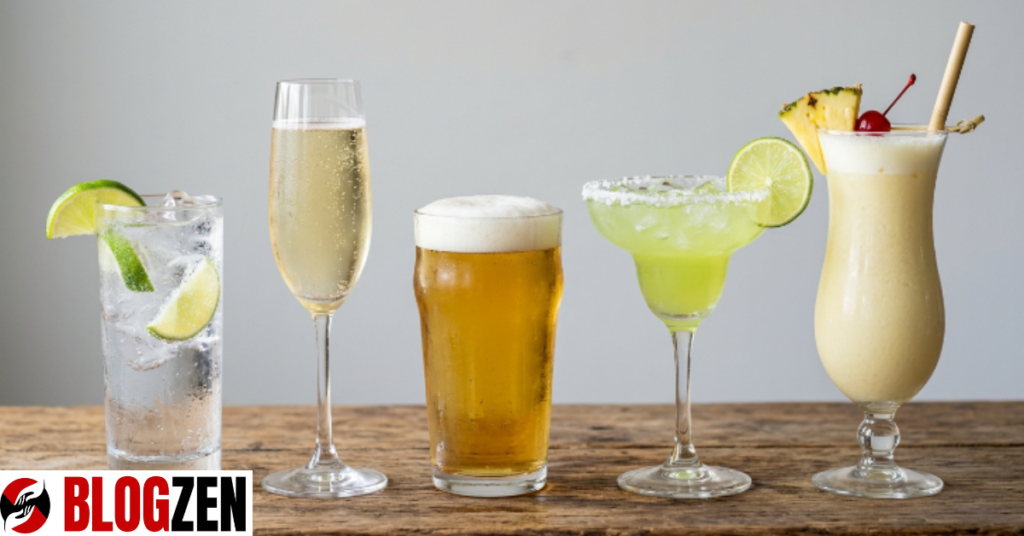
Numbers make this easier to picture. Below is how common choices actually stack up against each other.
| Drink | Approx. Calories | Best For |
|---|---|---|
| Vodka soda | 96 | Lowest overall option |
| Light beer | 100–110 | Casual, social settings |
| Dry white wine (5 oz) | 120 | Dinner pairing |
| Champagne (4 oz) | 85–90 | Celebrations |
| Gin and diet tonic | 100 | Classic taste, low calorie |
| Margarita (regular) | 300+ | Occasional treat only |
| Piña colada | 400–600 | Rare indulgence |
Seeing it laid out like this makes one thing obvious: the drink category matters less than what’s mixed into it. A tequila-based drink can be under 100 calories or over 300, depending entirely on the mixer choice.
According to nutritional guidance from the [External Link Suggestion: CDC’s alcohol and nutrition resources], moderate drinking combined with mindful mixer choices is one of the simplest ways to manage overall calorie intake without eliminating alcohol completely.
Step-by-Step Guide to Building Your Perfect Low Calorie Order
Here’s a simple process you can use at literally any bar, party, or restaurant.
- Pick your base spirit — vodka, gin, tequila, rum, or whiskey (all roughly the same calorie range)
- Choose a zero-calorie mixer — soda water, diet tonic, or a splash of citrus
- Skip the syrup and sweet liqueurs — these add 50–100 extra calories per pump
- Ask for a single pour, not a double, unless you’re planning around it
- Add fresh fruit for flavor, not fruit juice — a lime wedge instead of a splash of pineapple juice
This five-step method works whether you’re at a wedding, a work event, or a quiet dinner. It turns “guessing” into a repeatable habit.
Myths vs Facts About Low Calorie Alcohol Drinks
There’s a lot of noise around this topic, so let’s clear it up directly.
Myth: Clear liquor has no calories. Fact: all alcohol has calories — roughly 65–100 per standard shot, regardless of color or clarity.
Myth: Wine is always healthier than spirits. Fact: a large glass of sweet wine can easily out-calorie a simple vodka soda.
Myth: “Skinny” cocktails are automatically low calorie. Fact: the term is a marketing label, not a nutritional guarantee — always check the actual mixer.
Think of it this way: the myths all share one root cause — judging a drink by its name instead of its ingredients. Once you start reading ingredients instead of labels, the guesswork disappears completely.
READ THIS: Why IPA Beer Captivates Craft Lovers
CONCLUSION
Choosing low calorie alcohol drinks isn’t about giving up your social life — it’s about knowing what’s actually in your glass. Remember these three things: clear spirits with zero-calorie mixers are your safest bet, sugary cocktails are almost never as light as they sound, and portion size matters just as much as drink type.
The next time you’re at a bar, skip the menu names and build your own drink using the steps above. Your future self — and your goals — will thank you.
What’s your go-to low calorie drink order? Drop it in the comments and help someone else make a smarter choice tonight.
FAQs
What is the lowest calorie alcoholic drink you can order?
A vodka soda with lime is typically the lowest calorie alcohol drink available, averaging around 90–100 calories per serving. Gin with diet tonic and champagne come in close behind. The key factor is always the mixer — spirits alone rarely exceed 100 calories per standard pour, so the drink stays light as long as nothing sugary is added.
Are low calorie alcohol drinks actually good for weight loss?
They can support weight loss goals when consumed in moderation, but they aren’t a weight loss tool by themselves. Alcohol still slows fat metabolism temporarily and can increase appetite. The real benefit of choosing low calorie alcohol drinks is avoiding unnecessary added sugar and calories that don’t fit your daily targets, rather than any direct fat-burning effect.
Is beer or wine lower in calories?
It depends on the specific type. Light beer averages 100–110 calories, while a standard glass of dry wine sits around 120–125 calories. Sweet wines and regular beers can climb much higher. If calorie count is your main concern, light beer or a small pour of dry wine are generally your safest options.
What mixers should I avoid with low calorie alcohol drinks?
Avoid these common calorie traps: 1) regular tonic water, which is loaded with sugar, 2) fruit juices like pineapple or cranberry cocktail blends, and 3) cream-based mixers such as those used in white Russians or piña coladas. Stick to soda water, diet tonic, or a simple citrus splash instead.
Can I still enjoy cocktails while tracking calories?
Yes, but the cocktail itself needs adjusting. Ask for your favorite drink made with a sugar-free mixer, a single pour, and no syrup add-ins. Most bartenders are happy to customize a lighter version of a classic cocktail if you simply ask — you don’t have to give up flavor to keep it low calorie.
Do low calorie alcohol drinks still cause hangovers?
Yes, calorie count has no direct link to hangover severity. Hangovers are caused by dehydration, alcohol content, and how your body processes congeners (compounds found more in dark spirits and red wine). A low calorie drink made with clear spirits and proper hydration alongside it is still your best bet for feeling better the next day. VISIT BLOGZEN
