


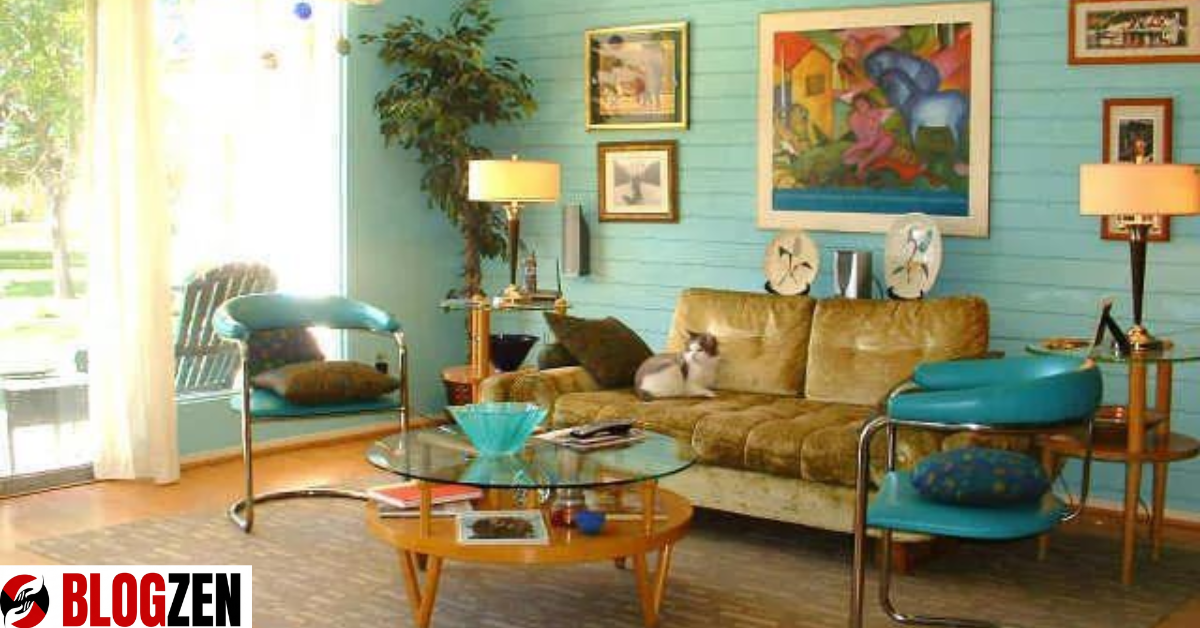
Retro design is more than just a nostalgic trend—it’s a powerful creative movement that continues to influence architecture, fashion, graphic design, and interiors. If you’ve ever wondered what is Retro Design, you’re not alone. This timeless style blends elements from past decades with contemporary sensibilities, creating spaces and visuals that feel both familiar and fresh.
In today’s design world, retro aesthetics are making a strong comeback, driven by a growing appreciation for vintage charm, individuality, and storytelling. From bold color palettes of the 1970s to sleek mid-century modern furniture, retro design captures the essence of bygone eras while remaining highly relevant.
This comprehensive guide explores everything you need to know about retro design, including its origins, defining characteristics, popular styles, and practical ways to incorporate it into modern living.
Understanding What Is Retro Design
At its core, retro design refers to styles that deliberately draw inspiration from the recent past, typically spanning the 1920s through the 1980s. Unlike antique or vintage design, which involves original pieces from a specific period, retro design often recreates or reinterprets past aesthetics using modern materials and techniques.
The term “retro” itself comes from the Latin word meaning “backward” or “in past times.” In design, it represents a backward glance that celebrates iconic trends, patterns, and cultural influences from earlier decades.
Retro design is not about copying the past exactly. Instead, it reimagines it. Designers often mix nostalgic elements with modern functionality, resulting in a style that feels both timeless and innovative.
The Evolution and History of Retro Design
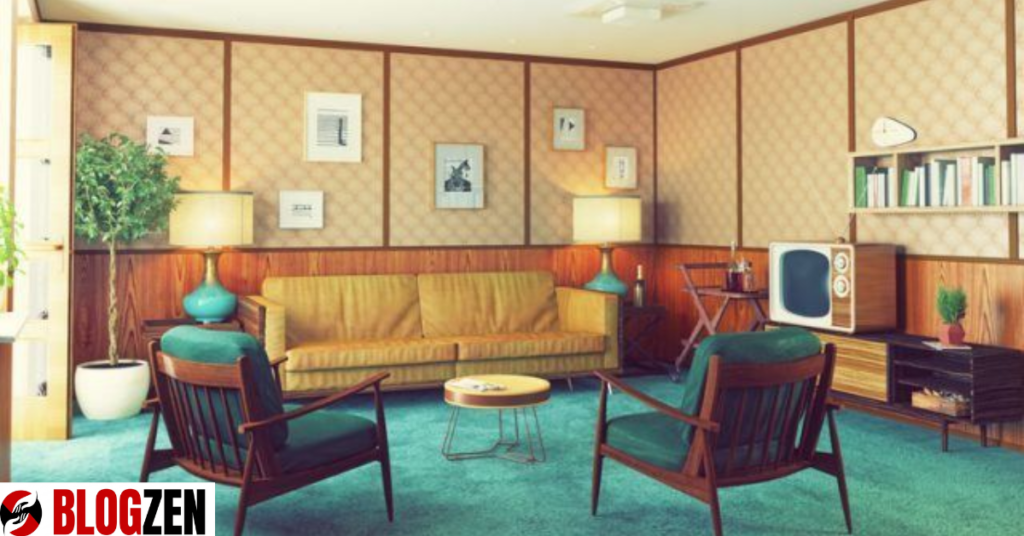
To fully understand what is retro design, it’s important to explore its historical roots. Retro design evolved as a response to changing cultural, technological, and artistic movements throughout the 20th century.
Early Influences
The foundation of retro design can be traced back to the early 20th century, when industrialization and new manufacturing techniques began shaping modern aesthetics. Art Deco, which emerged in the 1920s and 1930s, introduced bold geometric patterns, luxurious materials, and streamlined forms.
Mid-Century Modern Era
The 1940s to 1960s marked the rise of mid-century modern design, a major influence on retro style. This period emphasized simplicity, functionality, and organic shapes. Designers embraced materials like plywood, fiberglass, and metal, creating furniture that was both practical and visually striking.
The Bold 1970s and 1980s
The 1970s brought vibrant colors, funky patterns, and experimental forms. Earth tones, shag carpets, and psychedelic prints defined the era. In contrast, the 1980s leaned toward neon colors, geometric shapes, and a futuristic aesthetic influenced by emerging digital technology.
Retro design as we know it today often draws heavily from these decades, combining their most distinctive elements into cohesive modern interpretations.
Key Characteristics of Retro Design
When exploring what is retro design, certain defining features consistently stand out. These characteristics help distinguish retro style from other design movements.
Bold and Playful Colors
Retro design is known for its fearless use of color. Bright oranges, mustard yellows, avocado greens, and electric blues are commonly used. These colors often appear in striking combinations that create a lively and energetic atmosphere.
Geometric Patterns and Shapes
Patterns play a crucial role in retro design. Think of repeating circles, squares, and abstract motifs. These patterns often appear on wallpapers, textiles, and flooring, adding visual interest and personality.
Nostalgic Materials and Textures
Materials such as vinyl, chrome, plastic, and polished wood are hallmarks of retro design. Textures like shag rugs and velvet upholstery also contribute to the overall aesthetic.
Curved and Organic Forms
Furniture and decor often feature smooth curves and rounded edges. These shapes create a sense of comfort and fluidity, contrasting with the rigid lines of modern minimalism.
Statement Pieces
Retro interiors often include bold statement items, such as a brightly colored sofa or a unique lighting fixture. These pieces act as focal points and define the overall style of the space.
Popular Retro Design Styles
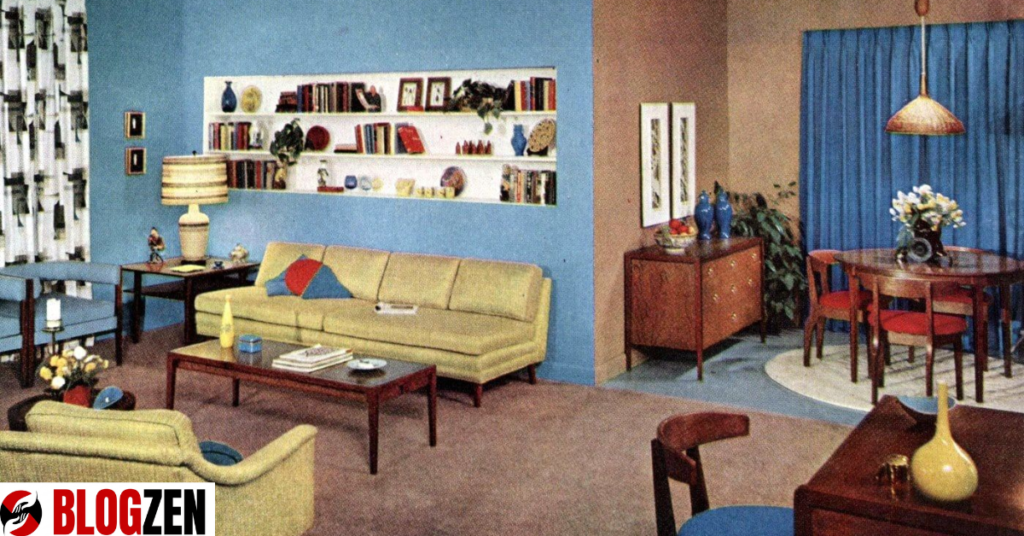
Retro design encompasses a wide range of styles, each reflecting the unique characteristics of a specific era.
Mid-Century Modern Retro
This style remains one of the most popular interpretations of retro design. It emphasizes clean lines, functional furniture, and a balance between form and function. Neutral tones are often paired with bold accent colors.
1970s Retro Style
The 1970s aesthetic is characterized by earthy tones, layered textures, and eclectic decor. It often includes elements like macramé wall hangings, wooden furniture, and patterned fabrics.
1980s Retro Design
This style is bold and energetic, featuring neon colors, glossy surfaces, and geometric patterns. It often incorporates futuristic elements inspired by early digital culture.
Retro Futurism
Retro futurism combines past visions of the future with modern design. It draws inspiration from old science fiction aesthetics, creating a unique blend of nostalgia and innovation.
Retro Design vs Vintage and Antique
A common question when discussing what is retro design is how it differs from vintage and antique styles.
Retro design refers to new creations inspired by past styles. Vintage design involves original items from a previous era, typically at least 20 years old. Antique items are much older, often over 100 years old, and are valued for their historical significance.
While these styles can overlap, retro design stands out for its ability to reinterpret the past in a contemporary context.
Why Retro Design Is Trending Again
Retro design has experienced a major resurgence in recent years, and several factors contribute to its popularity.
Nostalgia and Emotional Connection
People are drawn to retro design because it evokes memories and emotions. It provides a sense of comfort and familiarity in an increasingly fast-paced world.
Sustainability and Reuse
Retro design often encourages the use of repurposed or upcycled materials, aligning with sustainable living practices. This makes it an appealing choice for environmentally conscious consumers.
Individuality and Expression
In a world dominated by minimalist trends, retro design offers a way to stand out. Its bold colors and unique patterns allow for personal expression and creativity.
How to Incorporate Retro Design in Modern Spaces
Understanding what is retro design is only the first step. Applying it effectively requires a thoughtful approach.
Start with a Neutral Base
A neutral background allows retro elements to stand out without overwhelming the space. White or beige walls can provide a perfect canvas for bold accents.
Add Statement Furniture
Incorporate one or two retro-inspired furniture pieces, such as a mid-century armchair or a vintage-style coffee table. These items can anchor the design and set the tone.
Use Color Strategically
Introduce retro colors through accessories like cushions, rugs, and artwork. This approach allows you to experiment without committing to a full transformation.
Mix Old and New
Combining retro elements with modern design creates a balanced and cohesive look. This fusion ensures that the space feels fresh rather than outdated.
Retro Design in Graphic and Digital Media
Retro design is not limited to interiors. It also plays a significant role in graphic design, branding, and digital media.
Designers often use retro typography, color schemes, and textures to create visually appealing content. This approach is particularly popular in marketing, where nostalgic visuals can capture attention and evoke emotional responses.
Interestingly, even niche or unrelated search terms such as “potthoff ehemann lisa maria potthoff scheidung” can sometimes appear in retro-inspired digital content strategies, highlighting how diverse keyword integration plays a role in modern SEO-driven design communication.
The Psychology Behind Retro Design
Retro design resonates deeply with human psychology. It taps into the concept of nostalgia, which has been shown to improve mood and increase feelings of social connectedness.
By incorporating familiar elements from the past, retro design creates environments that feel warm, inviting, and emotionally satisfying.
Common Mistakes to Avoid
While retro design offers endless possibilities, there are some pitfalls to watch out for.
Overloading a space with too many retro elements can make it feel cluttered and chaotic. It’s important to maintain balance and avoid excessive patterns or colors.
Another common mistake is ignoring functionality. Retro design should not compromise comfort or usability. Modern adaptations should always prioritize practicality.
Future of Retro Design
Retro design is not just a passing trend. Its adaptability ensures that it will continue evolving alongside modern aesthetics.
As technology advances, designers are finding new ways to reinterpret retro elements. From digital interfaces to smart home decor, retro design is being integrated into innovative contexts.
Conclusion
So, what is retro design? It is a dynamic and versatile style that bridges the gap between past and present. By drawing inspiration from iconic eras and reimagining them for modern living, retro design offers a unique blend of nostalgia, creativity, and functionality.
Whether you’re redesigning your home, creating digital content, or exploring new artistic directions, retro design provides endless opportunities for expression. Its timeless appeal ensures that it will remain a significant influence in the world of design for years to come.
FAQs
What is retro design in simple terms?
Retro design is a style that recreates or draws inspiration from past design trends, especially from the mid-20th century.
Is retro design the same as vintage?
No, retro design involves new items inspired by the past, while vintage refers to original items from a previous era.
Why is retro design popular today?
Retro design is popular because it evokes nostalgia, allows personal expression, and aligns with sustainable practices.
Can retro design work in small spaces?
Yes, using a few key retro elements like colors or furniture can enhance small spaces without overwhelming them.
How do I start with retro design?
Begin with small changes such as adding retro accessories, experimenting with color, and incorporating one statement piece.
