


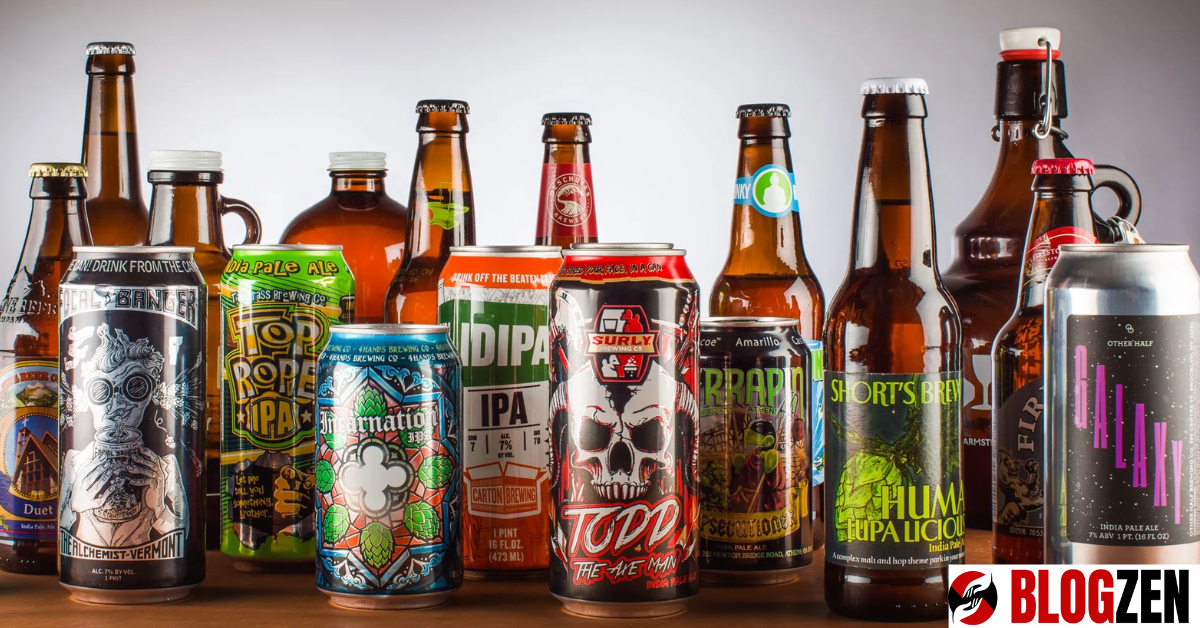
Have you ever cracked open a cold one and felt that rush of citrus and pine hitting your senses like a wave? That’s the magic of IPA beer, the undisputed king of the craft beer world. It’s not just a drink; it’s an experience that pulls you in with its complexity and leaves you craving more. As someone who’s sampled countless brews over the years, I can tell you firsthand that IPA beer has this uncanny ability to turn a casual sip into a full-blown obsession. In this article, we’ll dive deep into what makes IPA beer so irresistible, from its storied past to the modern twists that keep craft lovers hooked. Whether you’re a seasoned hophead or just dipping your toes into the craft scene, stick around— you might just find your next favorite pint.
The Rich History Behind IPA Beer
Let’s start at the beginning, because understanding where IPA beer came from adds a whole layer of appreciation. IPA stands for India Pale Ale, and its origins are as adventurous as the flavor profile itself. Back in the 18th century, British brewers faced a dilemma: how to ship beer to their troops in India without it spoiling during the long sea voyage. The solution? Amp up the hops and alcohol content. Hops act as a natural preservative, and that extra booze helped too. So, IPA beer was born out of necessity, but it quickly became a sensation.
British Roots and Early Innovations
In England, the early versions of IPA beer were all about that sharp, bitter edge. Brewers like George Hodgson experimented with heavy hopping, creating a pale ale that could withstand months at sea. Imagine sailors cracking open casks after grueling journeys, greeted by this robust, hop-forward brew. It wasn’t just survival beer; it was a taste of home with a twist. Over time, these British IPAs evolved, but they stayed true to their roots—dry, malty, and intensely bitter. Even today, when I grab a classic English IPA beer, it feels like stepping back in time, with earthy notes that remind me of foggy London pubs.
The American Revolution of IPA Beer
Fast forward to the late 20th century, and IPA beer gets a massive makeover across the pond. American craft brewers, tired of bland lagers, started pushing boundaries. They cranked up the hops even more, introducing bold, citrusy varieties from the Pacific Northwest. Think of pioneers like Sierra Nevada or Stone Brewing—they turned IPA beer into a symbol of rebellion against mass-produced suds. The West Coast IPA emerged as a powerhouse, loaded with grapefruit and resin flavors that hit you like a punch. This evolution didn’t just change IPA beer; it sparked the entire craft beer movement. Nowadays, when craft lovers talk about IPA beer, they’re often referring to these American innovations that blend tradition with audacity.
What Sets IPA Beer Apart from the Rest
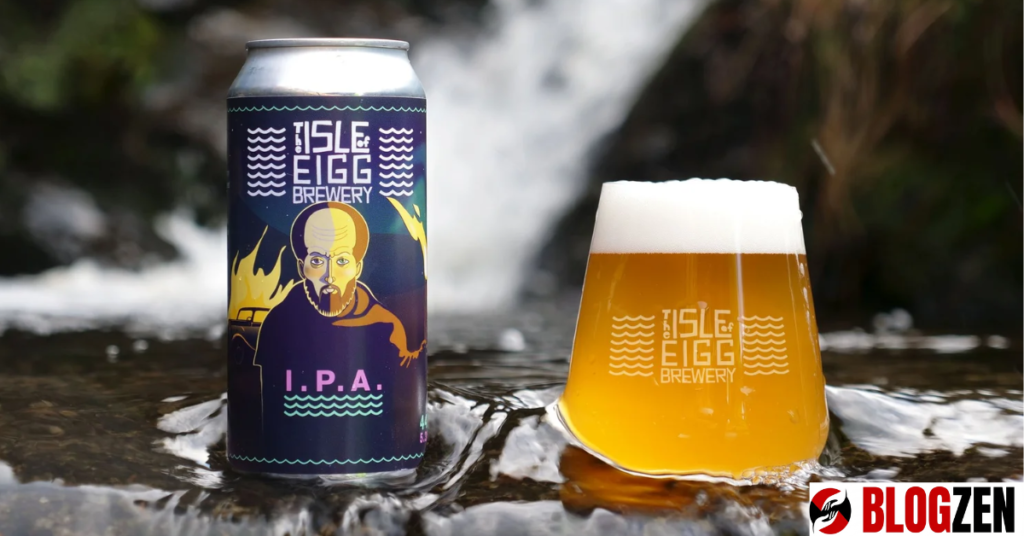
So, why does IPA beer stand out in a sea of stouts, porters, and pilsners? It’s all in the details—the ingredients, the process, and that unmistakable bite. At its core, IPA beer is an ale, fermented at warmer temperatures with top-fermenting yeast, which gives it a fuller body compared to lagers. But the real star is the hops. These little green cones aren’t just for bitterness; they pack aromas and flavors that can range from tropical fruit to herbal spice.
The Crucial Role of Hops in IPA Beer
Hops are the soul of IPA beer. Without them, you’d have just another pale ale. Brewers add hops at different stages: bittering hops early in the boil for that sharp kick, flavor hops midway for depth, and aroma hops late or during dry-hopping for those intoxicating scents. Varieties like Cascade bring citrus zest, while Chinook adds piney resin. I’ve brewed a few batches myself, and let me tell you, experimenting with hop combinations is like painting with flavors. One wrong move, and your IPA beer turns overly astringent; get it right, and it’s pure bliss. This hop dominance is what captivates craft lovers—they crave that complexity you don’t find in milder beers.
Understanding Bitterness: IBU and Beyond
Bitterness in IPA beer is measured by International Bitterness Units (IBU), which gauge how much alpha acid from hops dissolves during brewing. A standard lager might hover around 10-20 IBU, but IPA beer often blasts past 40, with some double IPAs hitting 100+. However, bitterness isn’t everything; it’s balanced by malt sweetness and alcohol warmth. High-ABV IPAs, around 7-8%, mellow out that edge, making them surprisingly drinkable. In my experience, the best IPA beer strikes a harmony where the bitterness enhances rather than overwhelms. It’s like a spicy dish—you feel the heat, but it draws you back for more.
Exploring the Diverse Styles of IPA Beer
One reason IPA beer keeps craft lovers engaged is its sheer variety. Gone are the days of one-size-fits-all; now, there’s a style for every palate. From hazy to hazy-free, sessionable to imperial, the options are endless.
West Coast vs. New England IPA
The West Coast IPA beer is the OG—clear, crisp, and aggressively hoppy with pine and citrus dominating. It’s bold, almost confrontational, perfect for those who love a clean finish. On the flip side, New England IPA beer, or NEIPA, is all about juiciness. These hazy beauties use oats or wheat for a soft mouthfeel, with tropical fruit notes from hops like Mosaic or Citra. Less bitter, more aromatic—it’s like drinking a fruit smoothie with a buzz. Craft lovers debate endlessly which is superior, but why choose? Both showcase how versatile IPA beer can be.
Other Must-Try IPA Variations
Don’t stop there. Session IPA beer keeps the hop punch but dials down the ABV to 4-5%, ideal for all-day sipping. Double or Imperial IPA beer amps everything up—more hops, more malt, more alcohol—for a boozy adventure. Then there’s Black IPA, blending dark malts with hop brightness for a roasty twist. Sour IPA beer adds tartness from wild yeast or fruit, while Milkshake IPA incorporates lactose and vanilla for creamy sweetness. Each style evolves the core IPA beer concept, keeping the scene fresh and exciting.
To help visualize the differences, here’s a quick comparison table:
| Style | Key Characteristics | Typical ABV | Flavor Profile |
|---|---|---|---|
| West Coast IPA | Clear, bitter, resinous | 6-7% | Pine, grapefruit, clean finish |
| New England IPA | Hazy, juicy, low bitterness | 6-7% | Tropical fruit, soft mouthfeel |
| Session IPA | Light, hoppy, easy-drinking | 4-5% | Citrus, herbal, refreshing |
| Double IPA | Strong, intense hops and malt | 8-10% | Bold citrus, caramel undertones |
| Black IPA | Dark, roasty with hop bite | 6-8% | Coffee, chocolate, pine |
This variety ensures IPA beer never gets boring—there’s always a new twist to discover.
Brewing IPA Beer at Home: A Beginner’s Guide
Ever thought about making your own IPA beer? It’s more accessible than you might think, and the satisfaction of pouring a homebrew is unmatched. Start with a basic extract kit if you’re new; it simplifies the process without sacrificing flavor. You’ll need malt extract, hops, yeast, and a fermenter. Boil the wort, add bittering hops early, then flavor and aroma ones later. Ferment for a week or two, bottle, and wait—patience is key.
For all-grain enthusiasts, mash your grains to extract sugars, then hop away. Dry-hopping post-fermentation boosts those aromas without extra bitterness. Common pitfalls? Sanitation—keep everything clean to avoid off-flavors. And measure your IBU; too much can make your IPA beer undrinkable. I’ve had batches that turned out stellar, like a citrus bomb that rivaled commercial brews, and others that were, well, learning experiences. The craft community is full of forums and clubs to help, so dive in. Brewing IPA beer at home deepens your appreciation for what pros do.
Perfect Pairings: Food and IPA Beer
IPA beer isn’t just for solo sipping; it shines with the right food. The hops cut through richness, making it a versatile partner. For West Coast styles, pair with spicy foods like buffalo wings or Thai curry—the bitterness balances heat. New England IPA beer loves seafood; try it with grilled salmon or lobster rolls, where juicy hops complement briny flavors.
Cheese boards? Absolutely. Sharp cheddar or blue cheese stands up to IPA beer’s intensity. For desserts, surprisingly, a fruity IPA beer works with citrus tarts or chocolate with orange zest. Avoid overly sweet dishes, though; they clash with the hops.
Here’s a simple pairing list to get you started:
- Spicy Cuisine: Indian curries, Mexican tacos—hops tame the fire.
- Grilled Meats: Burgers, steak; the char enhances resin notes.
- Seafood: Oysters, shrimp; citrus hops brighten the dish.
- Cheeses: Aged gouda, gorgonzola—creamy textures contrast bitterness.
- Snacks: Pretzels, nuts; salt amplifies hop flavors.
Experimenting with pairings turns a meal into an event, showcasing IPA beer’s adaptability.
Debunking Myths and Exploring Benefits of IPA Beer
There’s plenty of misinformation out there. Myth one: IPA beer is always too bitter. Not true—styles like session or hazy offer milder options. Myth two: It’s unhealthy. In moderation, IPA beer has antioxidants from hops, potentially aiding heart health. Polyphenols in hops may reduce inflammation, and some studies suggest moderate beer consumption supports bone density. But remember, it’s alcohol—overdo it, and benefits vanish.
On the flip side, high ABV means higher calories, so watch portions. Craft lovers appreciate IPA beer for its natural ingredients, often free of additives in mass brews. It’s not a superfood, but enjoyed responsibly, it adds joy without guilt.
Why Craft Lovers Are Obsessed with IPA Beer
At the end of the day, IPA beer captivates because it’s more than beer—it’s a culture. Craft enthusiasts chase limited releases, attend festivals, and geek out over hop harvests. The community thrives on sharing, from homebrew tips to brewery tours. In a world of uniformity, IPA beer represents creativity and passion. Whether it’s the thrill of discovering a new hazy variant or the comfort of a classic pint, it connects people.
Moreover, the innovation never stops. Brewers experiment with cryo hops, fruit infusions, and barrel aging, pushing IPA beer boundaries. This constant evolution keeps craft lovers engaged, always eager for the next big thing.
Conclusion
IPA beer isn’t just a trend; it’s a timeless allure that blends history, science, and sheer deliciousness. From its British origins to American reinventions, the hops-driven world of IPA beer offers endless exploration. If you’re not already a fan, grab a six-pack and see for yourself. What’s your favorite IPA beer style? Drop a comment below or share this with a fellow hop lover—let’s keep the conversation brewing. After all, in the craft world, sharing is half the fun.
