


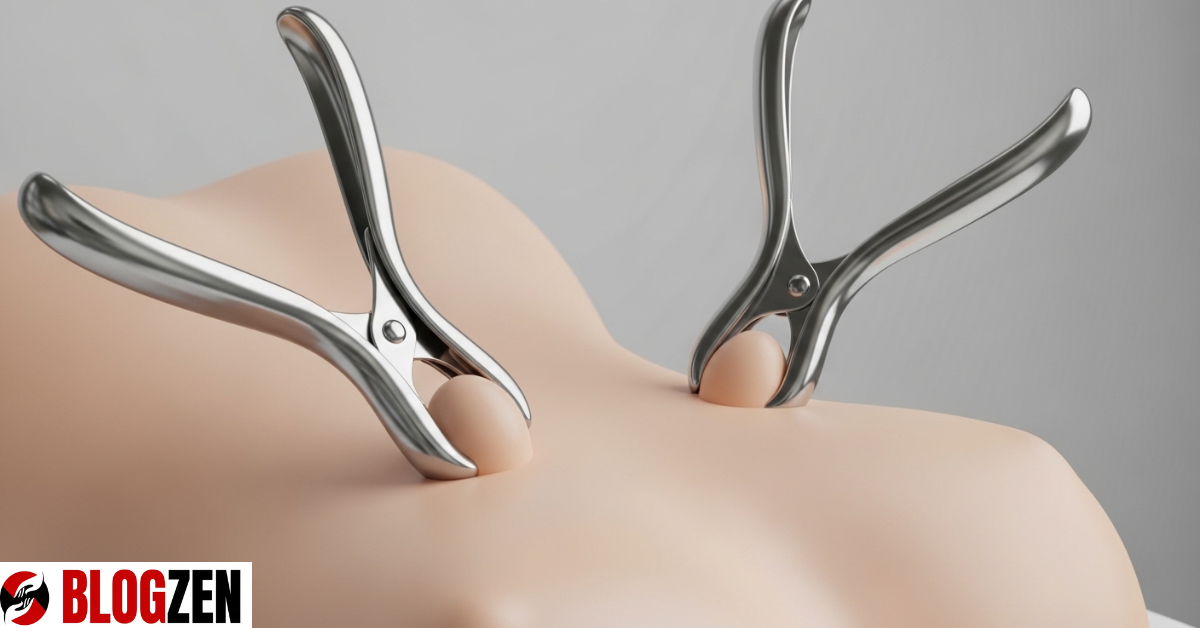
Curiosity about new sensations and ways to enhance intimacy is common in many relationships. One topic that often comes up is how to use nipple clamps safely and comfortably. Nipple clamps are small devices designed to apply gentle pressure to the nipples, creating a unique sensation that some people enjoy during intimate moments.
For beginners, understanding how nipple clamps work and how to use them responsibly is important. When used correctly, they can add a new dimension to sensory play without causing discomfort or harm. However, like any intimate accessory, knowledge and communication are essential.
This guide explains how to use nipple clamps in a safe, informed, and respectful way. It covers the basics, preparation, comfort tips, and safety considerations so beginners can explore this topic with confidence.
Understanding What Nipple Clamps Are
Before learning how to use nipple clamps, it helps to understand what they are and how they work. Nipple clamps are small devices that apply controlled pressure to the nipples. The pressure restricts blood flow slightly, which can create a heightened sensation.
When the clamp is removed, blood flow returns to the area. This change in circulation can produce a tingling feeling that some people describe as intense or stimulating. The experience varies widely from person to person.
Nipple clamps come in several styles, and each design offers a different level of pressure and adjustability. Some models allow users to control how tight the clamp feels, while others provide a more fixed grip. Beginners typically prefer adjustable clamps because they offer better control and comfort.
Understanding the basic function of nipple clamps is the first step in learning how to use nipple clamps safely.
Why People Use Nipple Clamps
Many people explore nipple clamps as part of sensory play. The nipples contain a high number of nerve endings, making them particularly responsive to touch and pressure.
Using nipple clamps can intensify physical awareness and create a focused sensation in the chest area. Some couples include them in their intimate routines to explore new forms of stimulation or to experiment with different textures and pressures.
Another reason people learn how to use nipple clamps is curiosity. Trying new experiences in a respectful and consensual environment can strengthen communication between partners. Discussing comfort levels, preferences, and limits helps build trust and understanding.
It is important to remember that not everyone enjoys the sensation of nipple clamps. Personal preference plays a major role, and individuals should only explore them if they feel comfortable doing so.
Communication and Consent Before Use
A critical part of learning how to use nipple clamps is communication. Open and honest discussion between partners ensures that both people feel safe and respected.
Before introducing nipple clamps, partners should talk about expectations and boundaries. Discussing how much pressure feels comfortable and what sensations are acceptable can prevent misunderstandings.
Consent should always be clear and enthusiastic. Both partners should feel free to stop the activity at any time if something becomes uncomfortable. Many couples also establish a simple word or signal that indicates when to pause or stop.
This level of communication helps create a supportive environment where experimentation can happen safely.
Preparing to Use Nipple Clamps
Preparation is an important step when learning how to use nipple clamps for the first time. The body responds better to gradual stimulation rather than sudden pressure.
The nipple area is sensitive, so warming up the skin with gentle touch can help prepare the body. Light massage or soft contact can increase circulation and make the experience more comfortable.
It is also helpful to check the clamps themselves. Ensure that they are clean and that any adjustable parts move smoothly. High-quality clamps often include rubber or silicone tips that cushion the skin and reduce discomfort.
Being calm and relaxed also improves the experience. Stress or tension can make the body more sensitive to pressure, which may lead to discomfort.
How to Use Nipple Clamps Properly
Understanding how to use nipple clamps correctly helps avoid unnecessary discomfort. The key is to apply pressure gradually and pay attention to the body’s response.
The clamp should be placed carefully on the nipple rather than the surrounding skin. Adjustable clamps allow users to control how tight they feel. Beginners usually start with the lowest pressure setting and slowly increase it if desired.
The sensation should feel noticeable but not painful. A mild pinching feeling is normal, but sharp or intense pain is a signal that the clamp may be too tight.
Time also matters when learning how to use nipple clamps. Many beginners keep clamps on for only a short period at first. This allows the body to adjust and reduces the risk of discomfort.
After removing the clamps, the nipples may feel warm or tingly as circulation returns. This sensation is typically temporary and fades naturally.
Managing Comfort and Sensation
Comfort plays a major role in learning how to use nipple clamps successfully. Everyone’s pain tolerance and sensitivity are different, so listening to the body is essential.
Adjustable clamps provide flexibility because users can change the pressure at any time. If the sensation becomes too strong, loosening the clamp slightly can help restore comfort.
Another helpful technique involves gradually increasing pressure over time rather than starting with a tight grip. Slow adjustment allows the body to adapt and prevents sudden discomfort.
Breathing and relaxation also influence how sensations are experienced. When the body is relaxed, it often responds more positively to new stimuli.
People who are exploring how to use nipple clamps should focus on comfort first and intensity second.
Safety Considerations
Safety is one of the most important aspects of learning how to use nipple clamps. Although the devices are simple, they still require responsible use.
Clamps should not remain on the nipples for extended periods. Prolonged restriction of blood flow may cause unnecessary discomfort or irritation. Beginners typically keep sessions short until they understand how their body responds.
Checking the skin regularly is also important. If the nipples become extremely pale, numb, or painful, the clamps should be removed immediately.
Quality materials matter as well. Clamps with smooth edges and protective tips are less likely to irritate the skin. Avoid devices that feel sharp or poorly constructed.
Following these basic safety practices ensures that exploring how to use nipple clamps remains a positive and controlled experience.
Cleaning and Hygiene
Hygiene is another key factor when discussing how to use nipple clamps. Like any personal accessory, they should be cleaned before and after use.
Most clamps can be washed with warm water and mild soap. After cleaning, they should be dried completely before being stored.
Proper storage keeps the clamps free from dust and bacteria. Many people store them in a small pouch or container to maintain cleanliness.
Maintaining good hygiene protects the skin and ensures that the device remains safe for future use.
Emotional Comfort and Trust
Exploring how to use nipple clamps is not only a physical experience. Emotional comfort also plays an important role.
Trust between partners creates a supportive environment where both individuals feel respected. When partners communicate openly and check in with each other, the experience becomes more relaxed and enjoyable.
Some people prefer to try nipple clamps alone first in order to understand how the sensation feels. Others explore them with a partner who can help adjust pressure and monitor comfort.
There is no single “correct” way to approach this experience. The most important factor is mutual respect and personal comfort.
Common Beginner Concerns
Many beginners worry about discomfort when learning how to use nipple clamps. While a mild pinching sensation is normal, intense pain should not occur.
Another common concern involves skin marks. Temporary redness can happen due to pressure, but it usually fades quickly once the clamps are removed.
People also wonder how long clamps should stay on. For beginners, short periods are generally best. Gradual exploration helps the body adapt and allows users to discover what feels comfortable.
Understanding these common concerns helps reduce anxiety and makes the learning process smoother.
Building Confidence with Experience
As people gain experience, they often become more confident in how to use nipple clamps. Over time, users learn how different pressure levels feel and how their body reacts.
Confidence grows when individuals pay attention to comfort signals and communicate clearly with their partner. Exploring slowly and thoughtfully allows people to discover what sensations they enjoy most.
Every person’s experience is unique. What feels comfortable for one individual may feel different for another, so personal awareness remains essential.
Learning gradually helps create a safe and enjoyable experience.
FAQs
Are nipple clamps safe for beginners?
Yes, nipple clamps can be safe when used carefully. Beginners should start with adjustable clamps and apply gentle pressure while monitoring comfort.
How long should nipple clamps stay on?
For beginners, short periods are recommended. This allows the body to adjust and prevents unnecessary discomfort.
Do nipple clamps hurt?
They create a pinching sensation that some people enjoy. However, the pressure should never feel intensely painful. If it does, the clamps should be loosened or removed.
What happens after removing nipple clamps?
When the clamps are removed, blood flow returns to the area. This often creates a temporary tingling or warming sensation.
Can nipple clamps be used alone?
Yes, some individuals experiment with them alone to understand the sensation first. Others prefer to use them with a partner for easier adjustment and monitoring.
Conclusion
Learning how to use nipple clamps safely begins with understanding, communication, and patience. These small devices can create unique sensations, but they should always be used responsibly and with clear consent.
For beginners, the most important steps involve starting slowly, choosing adjustable clamps, and paying close attention to comfort. Open communication between partners ensures that both people feel respected and safe throughout the experience.
Exploring new forms of sensory play can be a positive way to learn more about personal preferences and build trust in a relationship. When approached thoughtfully, learning how to use nipple clamps can become a safe and informed part of intimate exploration.
