


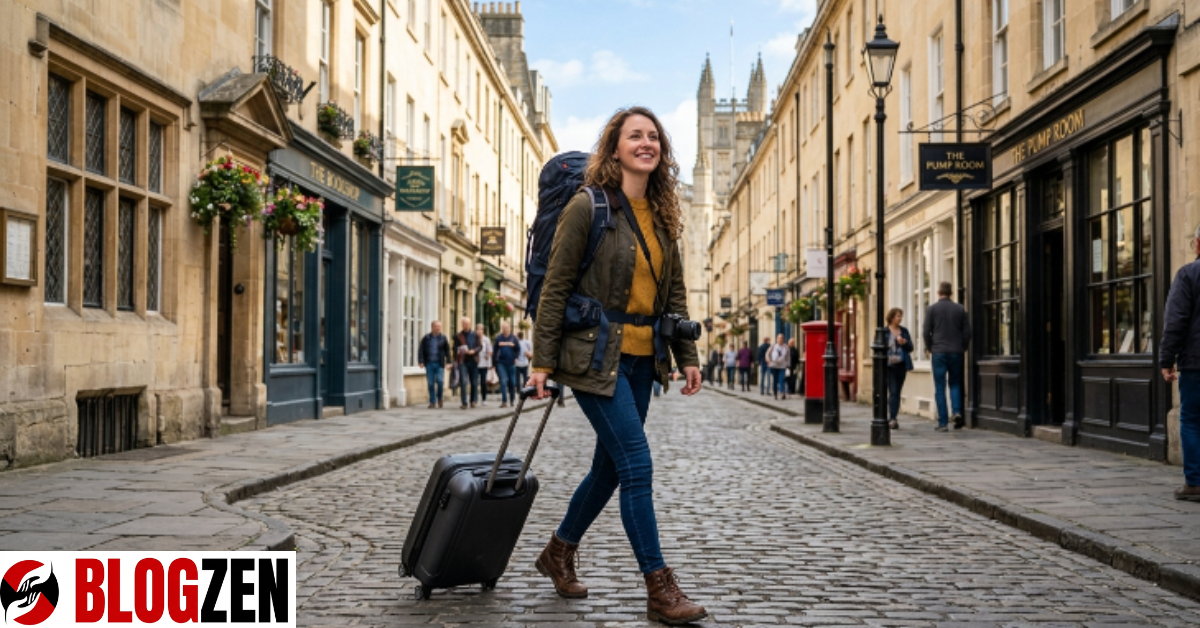
QUICK ANSWER
Solo travel tips for women in the UK: Prioritize personal safety by sharing your itinerary, trust your instincts, book accommodations in well-populated areas, use reliable transport, research neighborhoods thoroughly, and build confidence through small trips first. The UK offers excellent infrastructure for solo female travellers—trains connect everywhere, accommodation options abound, and locals are generally helpful.
INTRODUCTION
More women are travelling alone than ever before—and the UK is one of the safest, most accessible places to start that adventure. Yet the question haunting most solo female travellers isn’t about landmarks or attractions. It’s simpler: “Will I actually be okay doing this alone?”
Here’s what nobody tells you: the anxiety before your first solo trip is bigger than the trip itself. But once you understand what to prepare for and what to genuinely worry about, something shifts. You stop looking for permission and start looking forward.
This isn’t a listicle about Instagram-worthy castles or trendy coffee shops. This is the real guide to solo travel tips for women in the UK—the kind of advice you get from friends who’ve actually done it, learned from mistakes, and come back transformed.
By the end of this article, you’ll know exactly how to plan your solo trip, where to stay, how to stay safe, what to pack, and most importantly, how to build the confidence that makes travel actually fun instead of stressful. You’ll understand what seasoned solo female travellers know that most travel guides completely overlook.
Let’s make this happen.
THE REALITY OF SOLO TRAVEL FOR WOMEN IN THE UK
Solo travel isn’t dangerous—poor planning is. The difference between women who feel empowered on the road and those who feel anxious comes down to one thing: preparation, not luck.
The UK ranks among the safest countries for solo female travel globally. This isn’t marketing speak—it’s data. Public transport is reliable, English is widely spoken, accommodation standards are regulated, and you’re never truly isolated. But here’s the truth nobody leads with: safety isn’t about eliminating all risk. It’s about understanding which risks are real and which are just stories you tell yourself.
Most female solo travellers report that their biggest challenge wasn’t crime or harassment—it was loneliness or decision fatigue. These aren’t problems. They’re just part of the adventure. And both are completely manageable.
The women who thrive on solo trips aren’t fearless. They’re prepared. They’ve thought through scenarios, communicated their plans, trusted their instincts, and given themselves permission to do things imperfectly. That’s the skill you’re actually building when you travel alone.
[Internal Link Suggestion: “Women’s Safety Travel Essentials”]
THE SAFETY FRAMEWORK EVERY SOLO FEMALE TRAVELLER NEEDS
Before you book anything, understand this: safety while travelling solo comes from systems, not luck.
Experienced solo travellers use what I call the “Three-Layer Safety System.” First: transparency. One trusted person back home knows your rough itinerary, accommodation details, and how often to expect updates. Not because you’re in danger, but because accountability creates calm. You can update this person daily or weekly—whatever works for you.
Second: environmental awareness. The UK is well-lit, populated, and mapped. Research neighbourhoods using Google Maps at street level. Watch five minutes of YouTube videos from female travellers visiting specific areas. Read recent reviews on accommodation sites. The locals in your chosen town can tell you more in five minutes than any guidebook.
Third: your gut feeling. This is non-negotiable. If a situation feels off—whether it’s a person, a street, a late-night walk, or a social invitation—trust that feeling immediately. Your instinct exists for a reason, and acting on it won’t make you seem rude. You’re travelling for yourself, not to make strangers comfortable.
Pro Tip: Create a simple Google Doc shared with one trusted person. Update it before each new location with your accommodation address, planned activities, and estimated travel dates. Takes 60 seconds and eliminates hours of worry for both of you.
COMMON MISTAKES SOLO FEMALE TRAVELLERS MAKE (BEFORE THEY EVEN LEAVE)
The biggest mistake isn’t booking alone. It’s not booking alone because you’re waiting for someone else to be ready.
Most women delay solo travel for years waiting for the perfect companion or the perfect time. Neither exists. The perfect moment is now. What’s more likely? Someone—maybe a friend, maybe a family member—will eventually join you on a future trip. But your first solo journey should be about you, not the hypothetical availability of others.
Second mistake: over-researching. Yes, plan broadly. But spending three weeks reading travel blogs before a five-day trip creates anxiety, not clarity. Most of the best moments happen unplanned. You’ll find a pub that wasn’t in your notes. You’ll talk to a local who recommends a hike you didn’t know existed. You’ll stay longer in a town that wasn’t supposed to be a highlight.
Third mistake: choosing between big cities or “safe” locations. The truth? Small market towns in England, Scottish villages, and Welsh coastal areas are far safer and often more memorable than London. Fewer tourists, more genuine interaction, less overwhelm.
Fourth: assuming you need everything booked in advance. The UK’s infrastructure is robust enough that you can book accommodation week-by-week and adjust as you go. This flexibility is freedom.
BUILDING CONFIDENCE BEFORE YOUR FIRST SOLO JOURNEY
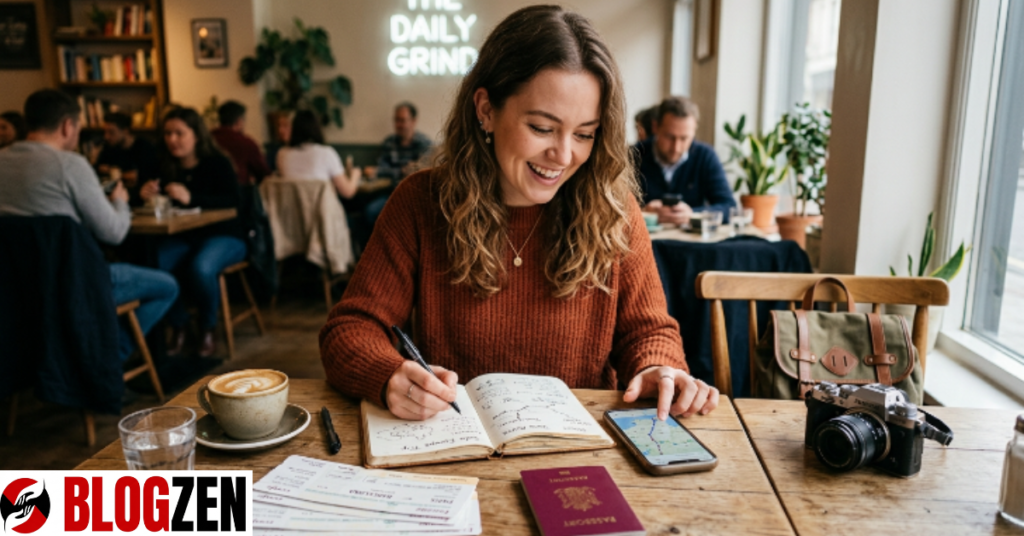
Confidence isn’t something you feel first. It’s something you build through action.
Start stupidly small. If you’ve never travelled alone, your first solo trip shouldn’t be three weeks in remote Scotland. It should be a weekend 45 minutes from home—a place you can get back to quickly if you want to. Go to a seaside town two train rides away. Stay in a hostel or an Airbnb with a kitchen so you control your environment.
The goal of this micro-trip? To learn that you can do the basics alone: navigate public transport, find accommodation, figure out meals, spend an evening without panicking. This sounds obvious, but it’s revolutionary once you’ve done it. You’ll return home and realize that London or Edinburgh or Cornwall isn’t actually harder—it’s just bigger.
The second foundation: trust local women. When you arrive anywhere, ask staff at your accommodation, barista, or shop owner for recommendations—especially ask “Where would you go if you were visiting alone?” Women give different advice than generic travel blogs. They understand what matters: safety, good vibes, and places that don’t require endless translation.
Finally, reframe the solo part. Travelling alone doesn’t mean you can’t talk to people. It means you’re not dependent on them. Join a free walking tour. Sit in a busy café with a book. Attend a pub quiz. Meeting people happens naturally when you’re open to it.
Pro Tip: Download the app “Meetup” before you travel. Many UK cities have solo traveller groups that organize dinners or activities. You’ll find your people immediately, and there’s zero pressure to hang out if you’d rather be alone.
WHERE TO STAY: THE INSIDER’S BREAKDOWN
Your accommodation choice determines 40% of your solo travel experience. Get this right, and everything else is easier.
Hostels are underrated for solo female travellers. Yes, they’re social. Yes, they’re often cheaper. But more importantly, you’re surrounded by other solo travellers immediately. Common areas are full of people in the exact same situation as you. You’ll get recommendations, meet other travellers heading to similar places, and have the option to spend the evening alone or with new friends. Hostels in the UK range from chaotic party spaces to quiet, mature-focused environments. Read recent reviews carefully and choose accordingly.
Private Airbnbs with hosts living on-site are your safest option. You have a local right there who knows the neighbourhood, can answer questions instantly, and generally feels more like staying with someone than a hotel. Avoid entire private apartments for your first trip—they can feel isolating.
Small boutique hotels are your middle ground. They’re professional, safe, reasonably priced, and you get to interact briefly with staff but maintain privacy. Many are family-run, which means the owner actually cares about your experience.
What NOT to do: don’t book the cheapest option thinking you’re saving money. You’ll lose money and time on a bad location. Budget £25–£40 per night minimum for something pleasant.
THE PRACTICAL LOGISTICS NOBODY EXPLAINS CLEARLY
Solo travel logistics are 80% just thinking ahead and 20% actual problem-solving.
Start with transport. The UK has a brilliant train system—Trainline.com lets you compare prices and book weeks in advance at massive discounts. National Express coaches are cheaper than trains but slower. During your trip, buy a contactless debit card for public transport (buses and tube) rather than individual tickets—it’s cheaper and requires zero human interaction if you’re anxious about that.
Money management: notify your bank you’re travelling. One call, 60 seconds. Otherwise, your cards get frozen the moment you try to use them outside the UK. Open a Wise account for better exchange rates on any currency you need later.
Accommodation check-in: arrive between 2–6pm on your first day. Plan something in that city before you check in—a walk, a café, a museum. This frames the arrival as “adventure” instead of “I’m nervous in a new place.” You’ll be excited about exploring instead of focused on anxiety.
Daily rhythm: wake early (6–7am) and explore when places are quiet. Tourist sites are emptiest at opening time. Eat lunch early (1–2pm instead of 7–8pm) to experience local restaurants with local crowds. Evening is when you either socialise or rest—your call entirely.
Pro Tip: Screenshot your accommodation confirmation, booking references, and emergency contacts. Phones die. Internet fails. Printed screenshots never do. This habit alone eliminates 90% of “what if” stress.
EXPERT STRATEGIES THAT ACTUALLY CHANGE YOUR TRIP
Experienced solo female travellers do six things differently:
First: they plan the middle loosely. Nail down where you’re sleeping and how you’re getting between major locations. Everything else—which museum, which walk, which pub—gets decided based on how you feel that morning. This balance between structure and flexibility eliminates decision fatigue without creating chaos.
Second: they copy other travellers’ itineraries initially. Your first trip shouldn’t be experimental. Find a female solo traveller on Instagram or YouTube who visited similar places, follow her exact route, and plan to improve on it next time. You’re standing on the shoulders of people who made mistakes so you don’t have to.
Third: they use the “One New Thing” rule. Each day, one activity is planned. Everything else is wandering, talking to locals, stumbling on things. This keeps you engaged without feeling scheduled.
Fourth: they make food a feature, not a chore. Research one exceptional restaurant per city and book it as your “treat meal.” For other meals? Eat at the place locals eat. Markets, chip shops, curry houses, cafés. This is where real cultural experience happens anyway.
Fifth: they give themselves permission to feel lonely. Loneliness and solitude are different. One is painful. One is peaceful. Both will happen. That’s normal and it’s okay. Many solo female travellers say the lonely moments are when they grew most.
Sixth: they over-communicate their plans to one person. The person you texted knows you’re safe. You get to be truly independent. Everyone wins.
WHAT TO PACK AND WHY IT MATTERS MORE THAN YOU THINK
Packing right for solo travel means packing for independence.
Bring one good crossbody bag you can wear while walking that won’t vibrate or swing. Your phone, wallet, keys, and daily essentials stay with you—never left at accommodation. This isn’t paranoia. It’s practicality. You’re alone, so you’re responsible for everything.
Wear trainers you’ve already walked miles in—not new ones. Blisters are exponentially worse when you’re alone because you can’t just sit in an accommodation being looked after. You have to keep functioning.
Pack layers. British weather changes hourly. T-shirt, light jumper, rain jacket. That’s 90% of what you’ll need.
Bring one dress or outfit that makes you feel confident. You’ll wear this to restaurants, museums, or nice cafés. Dressing well isn’t vanity—it’s psychology. You’ll feel different (better) and move through the world with a different energy.
Most importantly: bring less than you think you need. Solo travel with 8kg of luggage is freedom. Solo travel with a massive roller bag is frustration. You’ll find laundromats. Shops exist. You don’t need “emergency” items you’ll never use.
Phone charger. Portable battery. Cash (£20–£50). Everything else is negotiable.
MYTHS VS FACTS: WHAT ACTUALLY MATTERS
Myth: Women travelling alone get harassed constantly.
Fact: The vast majority of UK locations are extremely safe. Be smart (as you would anywhere), and harassment is rare. Most locals are genuinely helpful to solo visitors.
Myth: You’ll be miserable eating alone at restaurants.
Fact: Solo dining is brilliant. You have time to think, observe, and actually taste your food. Many solo travellers report that meals alone become highlights, not struggles.
Myth: You need to stay in busy cities to feel safe.
Fact: Smaller UK towns are often safer and more interesting. Less tourist noise. More genuine human connection. The Cotswolds, Scottish Highlands, and Welsh coastal towns are remarkable for solo travel.
Myth: Solo travel is for extroverts who love constant socialisation.
Fact: Solo travel accommodates every personality type. Introverts often thrive because they control the social volume entirely.
Myth: You need a detailed itinerary planned months in advance.
Fact: Book accommodation and one or two key activities. Everything else emerges naturally. Over-planning kills spontaneity, which is often the best part.
STEP-BY-STEP: HOW TO PLAN YOUR FIRST SOLO TRIP IN THE UK
Week 1: Vision & Budget
- Decide on your trip length (2–7 days is ideal for first solo trips)
- Set your total budget including transport, accommodation, food, activities
- Choose a season (May–September is warmest; October–March is quieter and cheaper)
- Pick 2–3 regions that appeal to you (Southwest Coast, Lake District, Edinburgh, Welsh valleys)
Week 2: Research & Inspiration
- Watch 5–6 videos from female solo travellers visiting those regions
- Read recent reviews on accommodation sites filtering by female travellers’ comments
- Create a Pinterest board with places, restaurants, hikes you might want to see
- Join one solo travel Facebook group and ask “What did you love about [region]?”
Week 3: Logistics
- Book accommodation in your first destination (hostel, Airbnb, or hotel)
- Book transport from where you live to your first location
- Research how to get between locations (trains, buses, rental car)
- Make a list of 3–5 activities per location but commit to only one
Week 4: Preparation
- Notify your bank you’re travelling
- Share your itinerary with one trusted person
- Download offline maps of each location
- Pack deliberately and underpack everything
Week 5: Go
- Travel. Adapt. Enjoy.
FAQ
What’s the actual crime rate for female solo travellers in the UK?
The UK has strong legal protections and reliable police presence. Violent crime against tourists is exceptionally rare. Petty theft exists (as it does everywhere), so don’t leave expensive items unattended. Most solo female travellers report feeling safer in UK cities than in their home countries. The reality: the biggest risk isn’t crime—it’s choosing a bad accommodation location and feeling unsettled. Research your specific neighbourhood on Google Street View before booking.
How do you handle feeling lonely while travelling solo?
Loneliness hits unexpectedly—usually around day 4 of a trip when initial excitement fades. Here’s how experienced travellers handle it: (1) acknowledge it without fighting it, (2) text your person back home, (3) go sit in a busy café or pub, (4) chat with staff at your accommodation, (5) join a group activity like a pub quiz or walking tour. The feeling passes. Many solo travellers say these lonely moments were when they learned most about themselves. Solitude is underrated.
Is it more expensive to travel solo than with a partner?
Not necessarily. Accommodation is higher per-person (no splitting a hotel room), but you spend less on food because you’re not compromising on restaurants and you eat when you’re hungry (not on someone else’s schedule). Activities cost the same. Transport between locations is the same. Overall, solo travel can be cheaper or more expensive depending on your choices—not because you’re alone.
What’s the best region for a first solo trip in the UK?
The Cotswolds, Bath, or coastal towns like Brighton are ideal because they’re safe, walkable, beautiful, and full of solo female travellers. London is brilliant but overwhelming for a first trip. Scottish Highlands are magical but require more planning. Welsh valleys are stunning and quiet. Start where you feel most curious, not where you think you “should” go.
How do you manage safety at night while travelling solo?
Don’t walk alone after dark in unfamiliar areas—use taxis, Uber, or ask your accommodation staff how to get somewhere safely. Stick to main streets in busy areas. Trust your instinct: if a situation feels wrong, leave immediately. Most solo female travellers simply don’t go out after dark alone—not because it’s dangerous, but because evening is when they rest, journal, or connect with people they’ve met. Your safety is more important than any experience.
Should you tell people you’re travelling alone?
This is personal. Some solo travellers mention it to locals and accommodation staff (they often become more helpful and protective). Others don’t advertise it. Use judgment: if someone feels off, definitely don’t share that you’re alone. Generally, being open about solo travel connects you with other travellers and locals who respect the confidence it takes.
