


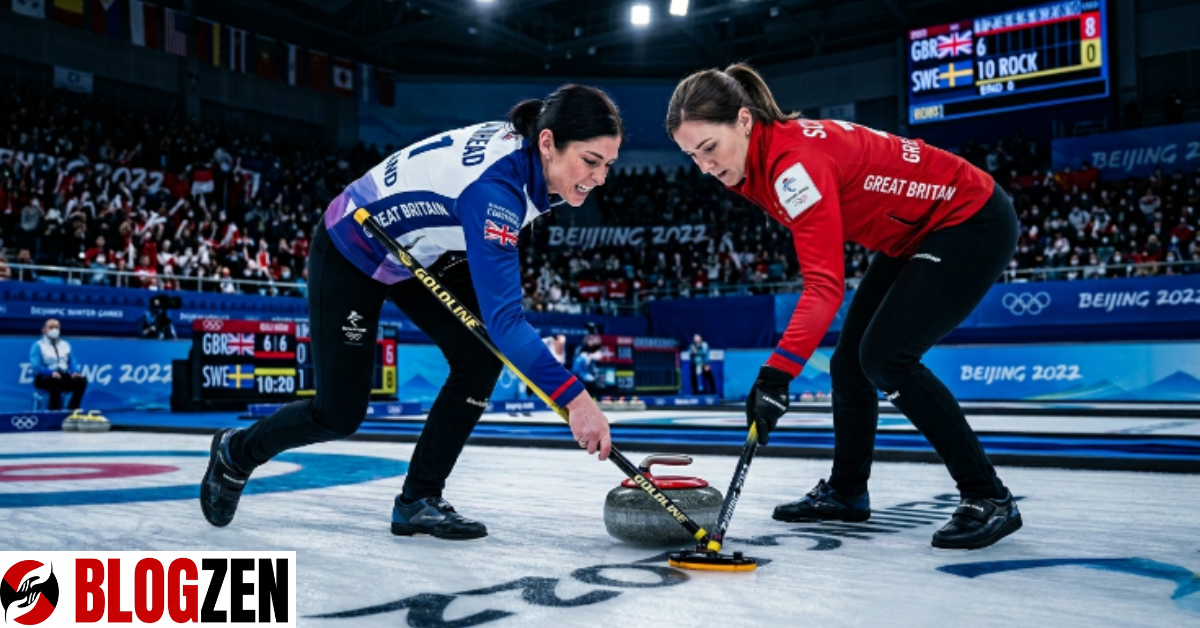
Olympic curling is one of the most fascinating and strategic sports featured during the Winter Games. At first glance, many viewers focus on athletes sliding heavy granite stones across the ice while teammates aggressively sweep the surface with brushes. However, beneath the apparent simplicity lies an incredibly complex sport driven by physics, precision, teamwork, and strategy. One of the most commonly asked questions among new curling fans is: how do brushes affect the stone’s path in Olympic curling?
The answer involves a combination of friction control, ice temperature management, stone rotation, and sweeping technique. Curling brushes are not simply used to clean the ice. Instead, they play a direct role in influencing the movement, speed, and final direction of the stone. Elite Olympic curlers spend years mastering sweeping because even small adjustments can dramatically affect the outcome of a shot.
Understanding how brushes affect the stone’s path in Olympic curling helps viewers appreciate the incredible skill required at the highest level of competition. Sweeping can determine whether a stone reaches the target, curls into scoring position, or avoids collision with another stone. In many Olympic matches, the difference between victory and defeat depends on how effectively athletes use their brushes.
This article explores the science, techniques, and strategies behind curling brushes and explains exactly how they influence the path of a curling stone during Olympic competition.
The Basics of Olympic Curling
Before exploring how brushes affect the stone’s path in Olympic curling, it is important to understand the basic structure of the sport. Curling is played on a long sheet of ice where players slide polished granite stones toward a circular target called the house.
Each stone weighs approximately forty-four pounds and travels across pebbled ice. Pebbling refers to the tiny droplets of water sprayed onto the ice surface before play begins. These droplets freeze into small bumps, creating the textured surface necessary for curling dynamics.
The player delivering the stone gives it a slight rotation known as the curl. Depending on the direction of rotation, the stone gradually curves left or right as it slows down. Teammates then sweep the ice in front of the moving stone using specialized curling brushes.
The purpose of sweeping is to influence the stone’s movement. This is where the science behind how brushes affect the stone’s path in Olympic curling becomes especially important.
The Science Behind Curling Brushes
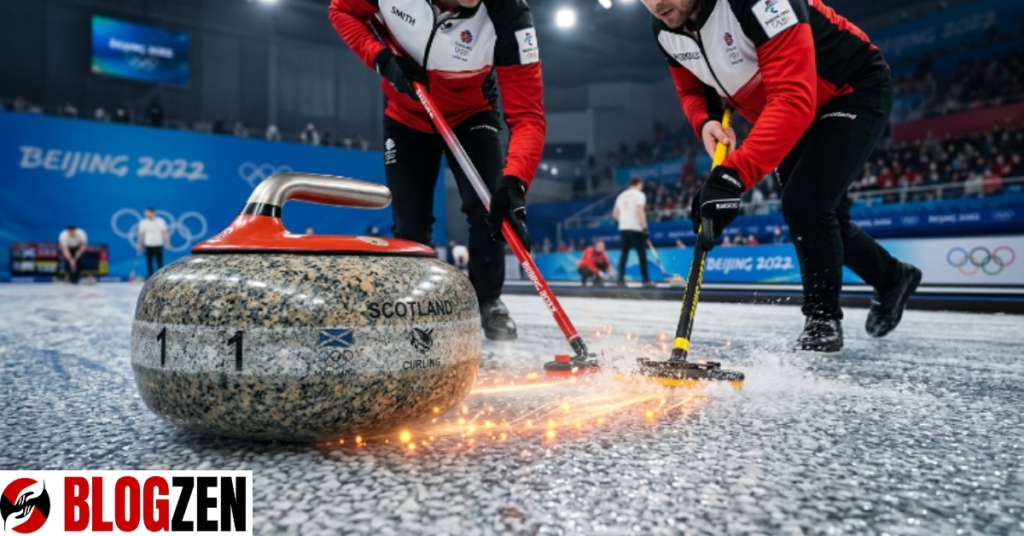
To fully understand how brushes affect the stone’s path in Olympic curling, it helps to examine the physics involved. Curling stones interact with the ice surface through friction. As the stone slides, resistance from the pebbled ice gradually slows it down and causes it to curl.
When players sweep the ice vigorously, they temporarily alter the surface conditions. Sweeping generates heat through friction between the brush head and the ice. Although the temperature increase may seem small, even tiny changes can significantly influence the stone’s behavior.
The heat slightly melts the top of the ice pebbles, creating a smoother and more slippery path. This reduction in friction allows the stone to travel farther and straighter than it otherwise would.
As a result, sweeping directly affects both the speed and curl of the stone. This principle forms the foundation of how brushes affect the stone’s path in Olympic curling.
How Sweeping Changes Stone Speed
One of the most noticeable ways brushes affect curling stones is by increasing travel distance. When sweepers brush aggressively in front of the stone, they reduce friction between the stone and the ice.
Lower friction means the stone loses less energy while sliding. Consequently, it maintains speed longer and travels farther toward the target.
In Olympic curling, this extra distance can be critical. A stone delivered slightly too softly may stop short without sweeping support. Effective brushing can compensate for minor delivery errors and help the stone reach its intended location.
Elite curlers constantly communicate during shots because sweeping decisions often happen in real time. Players judge whether the stone needs additional speed and adjust sweeping intensity accordingly.
Professional teams can extend a stone’s travel distance by several feet through effective brushing. At the Olympic level, where precision is everything, this advantage can determine scoring opportunities.
How Brushes Reduce Curl
Another important aspect of how brushes affect the stone’s path in Olympic curling involves directional movement. Curling stones naturally curve as they slow down due to rotational forces interacting with the pebbled ice.
Sweeping reduces this curling effect by smoothing the ice surface ahead of the stone. Because the stone encounters less resistance, it follows a straighter trajectory for a longer period before beginning its natural curve.
This ability to control curl is strategically valuable. Players often use sweeping to prevent stones from curving too early or colliding with guards placed by opponents.
In practical terms, sweeping can hold the line of a shot. If a stone appears to be drifting too far from its target path, sweepers intensify brushing to reduce the amount of curl.
Understanding this principle is central to understanding how brushes affect the stone’s path in Olympic curling at the highest competitive level.
The Role of Pebbled Ice
The unique texture of curling ice plays a major role in determining how brushes affect stone movement. Unlike ordinary smooth ice, curling surfaces contain tiny frozen droplets known as pebble.
Pebbling creates reduced contact between the stone and the ice, allowing the stone to glide efficiently while still generating curl. The interaction between the running band of the stone and these small ice bumps creates the sport’s signature curved motion.
Sweeping changes how the stone interacts with the pebble. By smoothing the bumps temporarily, brushes create a lower-friction path that affects both speed and direction.
Ice technicians carefully prepare Olympic curling surfaces because even small inconsistencies can alter gameplay. Elite teams also study ice conditions throughout matches to improve sweeping strategy.
The relationship between pebbling and brushing is therefore essential when analyzing how brushes affect the stone’s path in Olympic curling.
Modern Curling Brush Technology
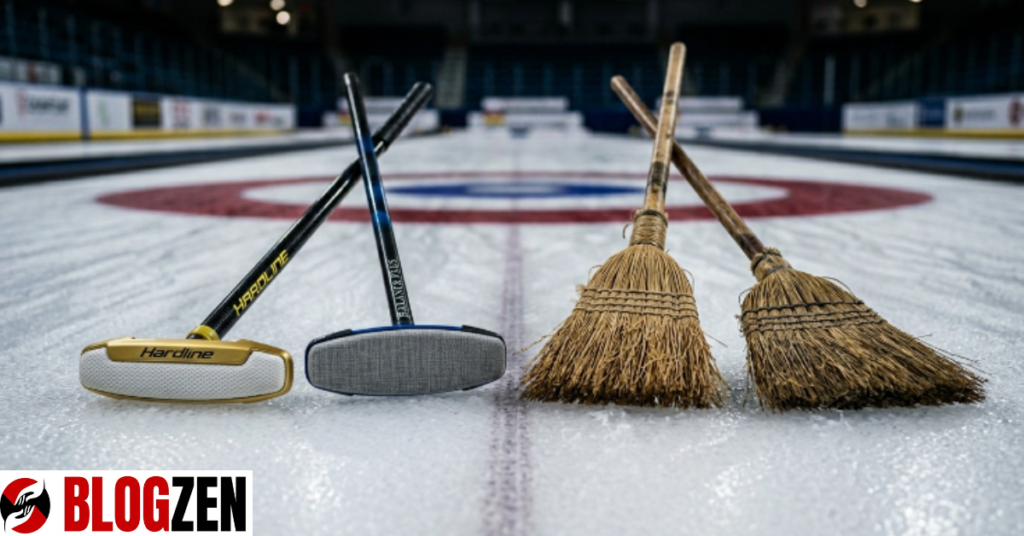
Curling brushes have evolved significantly over the years. Early curling brooms used straw or corn fibers, but modern Olympic curling brushes feature synthetic materials designed for maximum efficiency.
Today’s brush heads are engineered to optimize friction generation while remaining within competition regulations. Brush fabrics are carefully tested to ensure fairness and consistency across teams.
Technological advancements once created controversy in curling because certain brush materials produced excessive directional influence on stones. Some fabrics could scratch the ice surface in ways that altered stone movement beyond traditional sweeping effects.
As a result, curling organizations introduced strict equipment standards to preserve competitive fairness. Brush head materials used in Olympic competition now undergo rigorous approval processes.
Despite these regulations, modern sweeping technology still plays a vital role in determining how brushes affect the stone’s path in Olympic curling.
Team Communication During Sweeping
Sweeping in Olympic curling is not random or purely physical. It involves constant communication among teammates. Players must quickly evaluate stone speed, line, rotation, and ice conditions.
The skip, who directs strategy from the target area, communicates instructions to sweepers throughout each shot. Sweepers respond immediately based on visual judgment and experience.
If the stone appears too slow, sweepers increase intensity to maintain momentum. If it begins curling too much, they sweep aggressively to straighten its path.
This teamwork demonstrates why curling is often described as “chess on ice.” Every sweeping decision influences tactical positioning.
Communication therefore plays a major role in how brushes affect the stone’s path in Olympic curling during elite competition.
Sweeping Techniques Used by Olympic Curlers
Olympic curlers use highly refined sweeping techniques developed through years of training. Effective sweeping requires strength, endurance, balance, and precise timing.
Players apply downward pressure while moving brushes rapidly across the ice surface. The goal is to maximize heat generation without losing rhythm or efficiency.
Elite sweepers can maintain extraordinary intensity during critical shots. Scientific studies have shown that top curlers generate significant brush pressure and movement speed compared to recreational players.
Technique also varies depending on shot type. Long-distance draws may require sustained sweeping, while takeout shots focus more on directional control.
Mastering these techniques is fundamental to understanding how brushes affect the stone’s path in Olympic curling at the professional level.
The Importance of Fitness in Sweeping
Sweeping may appear simple to casual viewers, but it demands exceptional athletic fitness. Olympic curlers train extensively to improve cardiovascular endurance, upper-body strength, and core stability.
High-intensity sweeping can elevate heart rates dramatically during competition. Players often perform repeated bursts of powerful sweeping throughout lengthy matches.
Strong sweepers create more effective friction reduction and therefore greater influence over stone movement. Teams with superior fitness frequently gain competitive advantages during difficult ice conditions.
Modern curling has become increasingly athletic because sweeping effectiveness significantly impacts performance. Fitness training now represents an essential component of elite curling preparation.
This athletic evolution further highlights how brushes affect the stone’s path in Olympic curling in highly measurable ways.
Strategic Uses of Sweeping
Sweeping serves multiple strategic purposes beyond simply extending stone distance. Teams use brushes tactically to manipulate shot outcomes under pressure.
In defensive situations, sweepers may try to keep stones away from opponent guards. During offensive plays, brushing helps position stones precisely within scoring zones.
Players must also adapt to changing ice conditions throughout matches. Ice can become slower or faster depending on temperature, humidity, and gameplay wear patterns.
Experienced teams constantly evaluate these variables while adjusting sweeping strategy in real time.
This strategic complexity explains why understanding how brushes affect the stone’s path in Olympic curling requires both scientific and tactical analysis.
Olympic Curling and Precision
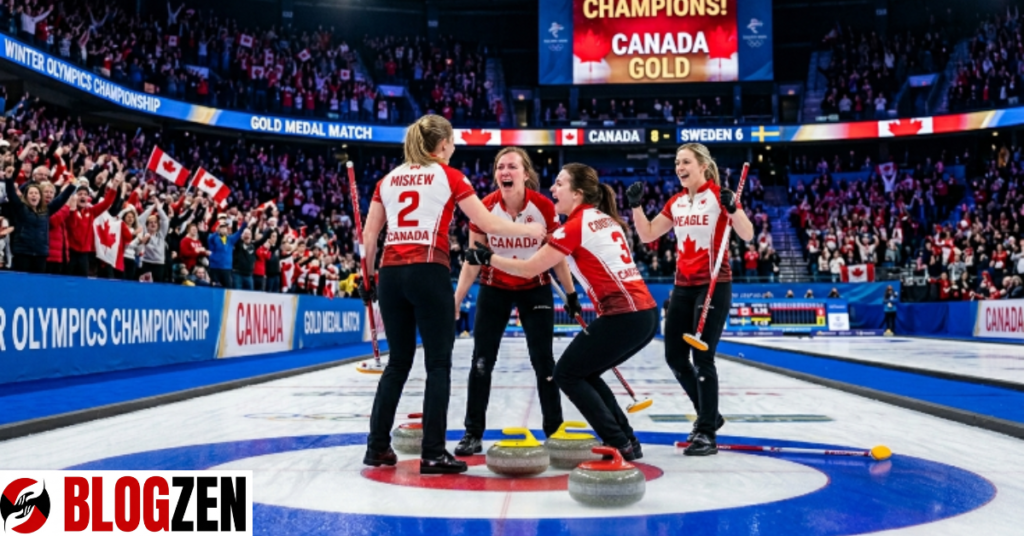
Precision is one of the defining characteristics of Olympic curling. Stones often finish within inches of each other, making sweeping influence critically important.
Even minor differences in sweeping effectiveness can dramatically alter shot outcomes. A slightly straighter line or an extra foot of distance may determine whether a team scores multiple points or loses control of an end.
Olympic curlers spend years developing muscle memory and judgment for sweeping situations. Every match demands continuous adaptation to ice conditions and opponent tactics.
Because margins are so small, brushing becomes one of the most influential skills in elite curling competition.
Common Misconceptions About Curling Brushes
Many new viewers mistakenly believe curling brushes simply clean debris from the ice. While brushes can remove frost and particles, their primary purpose is performance control.
Another misconception is that sweeping changes the stone’s direction dramatically. In reality, sweeping influences friction and curl indirectly rather than physically pushing the stone sideways.
Some people also underestimate the athletic demands of sweeping. Olympic curlers generate significant force and speed during competition, making sweeping physically exhausting.
Clarifying these misconceptions helps audiences better appreciate how brushes affect the stone’s path in Olympic curling.
The Psychological Side of Sweeping
Sweeping also involves psychological pressure. During Olympic competition, players must make split-second decisions while managing stress and fatigue.
A missed sweeping call can cost crucial points or entire matches. Teams therefore rely heavily on trust, communication, and experience.
Successful sweepers remain calm under pressure while processing multiple variables simultaneously. This mental discipline contributes significantly to elite curling performance.
The psychological aspect of brushing further demonstrates the complexity behind how brushes affect the stone’s path in Olympic curling.
The Evolution of Curling Strategy
Curling strategy has evolved dramatically over the decades due to improved understanding of sweeping physics and brush technology.
Modern teams use data analysis, video review, and sports science to refine brushing techniques. Coaches study ice behavior and player efficiency in extraordinary detail.
This evolution has increased scoring precision and competitive intensity at the Olympic level. Sweeping strategies now form a major component of overall game planning.
As technology and athletic training continue advancing, the science behind how brushes affect the stone’s path in Olympic curling will likely become even more sophisticated.
Why Curling Fans Love the Strategy
One reason curling has gained global popularity is its combination of precision, teamwork, and strategy. Understanding sweeping transforms the viewing experience for new fans.
Once audiences recognize how brushes affect stone speed and direction, they begin appreciating the incredible skill involved in each shot.
Curling rewards patience, communication, and tactical intelligence. Every sweeping decision influences the constantly changing geometry of the game.
This strategic depth explains why Olympic curling continues attracting passionate viewers worldwide.
FAQs
How do brushes affect the stone’s path in Olympic curling?
Brushes reduce friction on the ice, allowing the stone to travel farther and curl less during its path toward the target.
Why do curlers sweep in front of the stone?
Curlers sweep to generate heat and smooth the ice surface, helping control the stone’s speed and direction.
Does sweeping make the curling stone go faster?
Sweeping does not increase speed directly, but it helps the stone maintain momentum longer by reducing friction.
Can sweeping change the direction of a curling stone?
Sweeping influences curl indirectly by allowing the stone to follow a straighter path before curving naturally.
Are curling brushes regulated in Olympic competition?
Yes, Olympic curling organizations regulate brush materials and designs to ensure fairness and consistency.
Conclusion
The question of how do brushes affect the stone’s path in Olympic curling reveals the remarkable complexity hidden within one of the Winter Olympics’ most unique sports. Curling brushes influence stone movement by reducing friction, generating heat, extending travel distance, and minimizing curl.
Sweeping is not simply cosmetic or symbolic. It directly affects shot accuracy, tactical positioning, and overall match outcomes. Olympic curlers dedicate years to mastering sweeping technique because even tiny adjustments can determine success or failure at the highest level.
The interaction between curling stones, pebbled ice, rotational physics, and sweeping pressure creates a sport built on extraordinary precision. Modern brush technology, advanced fitness training, and strategic communication have elevated sweeping into a highly specialized athletic skill.
For viewers seeking a deeper appreciation of curling, understanding how brushes affect the stone’s path in Olympic curling provides valuable insight into the science, teamwork, and intelligence that define the sport. Every sweep represents a calculated attempt to shape the stone’s journey across the ice, turning curling into one of the most strategic and fascinating events in the Winter Olympics.
