


Introduction
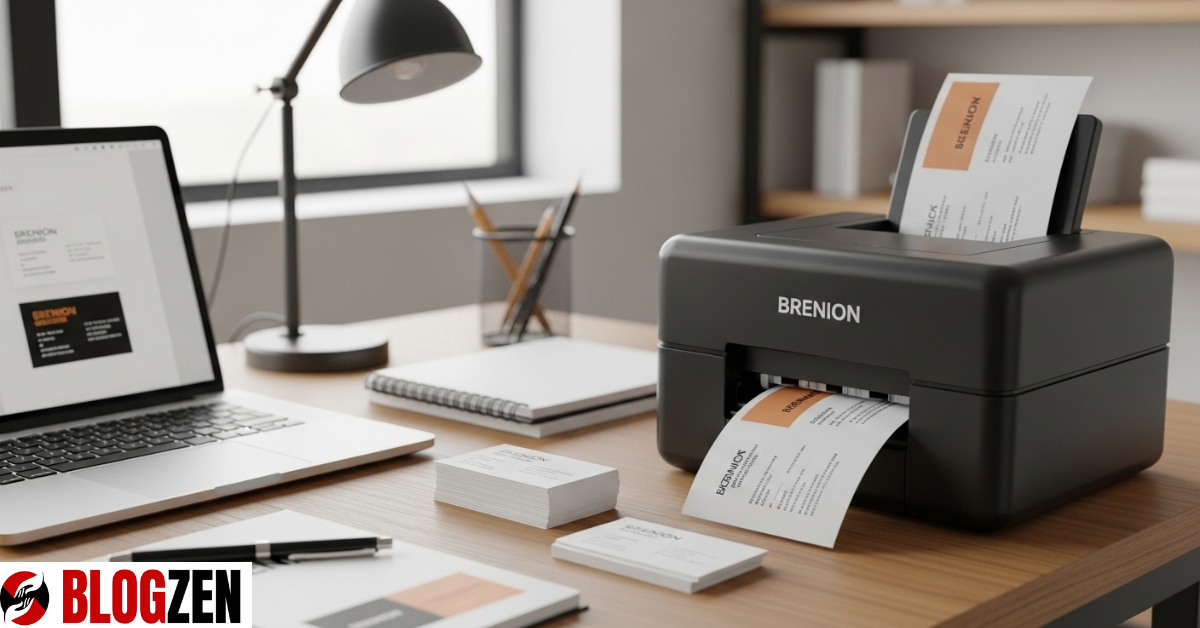
In today’s digital world, physical marketing materials still play an essential role in building professional connections. Among them, business cards remain one of the most powerful networking tools. Whether you are a freelancer, entrepreneur, or small business owner, having high-quality cards can leave a lasting impression. This is where a business card printer becomes an incredibly valuable asset.
Instead of relying on third-party printing services, many businesses now prefer to print cards in-house. A reliable printer allows you to create professional business cards whenever you need them while saving both time and money. However, choosing the right printer requires understanding different technologies, print quality standards, and paper compatibility.
This comprehensive guide explores everything you need to know about selecting and using a business card printer. From features and benefits to practical printing tips, you will learn how to produce professional cards that represent your brand perfectly.
Understanding the Role of a Business Card Printer
A business card printer is a specialized or high-quality printer capable of producing sharp text, vibrant graphics, and durable cards on thick cardstock. While many standard office printers can technically print cards, not all deliver the precision and professional finish required for branding materials.
Businesses often choose dedicated printers because they offer superior color accuracy and support heavier paper types. Professional card printing requires crisp typography, clean edges, and accurate color representation. Even small imperfections can affect the perceived professionalism of your brand.
Another important advantage is flexibility. With your own printing setup, you can quickly update contact details, add promotional designs, or create different card styles for employees without waiting for external printing services.
For startups and small companies especially, this level of control can significantly improve marketing efficiency.
Why Small Businesses Benefit from Printing Their Own Cards
Many small business owners initially rely on online printing services. While these services provide convenience, they often lack flexibility. Printing your own cards with a business card printer provides several practical advantages.
First, in-house printing saves time. Instead of waiting several days for orders to arrive, businesses can print new cards instantly. This is particularly helpful when attending events, conferences, or last-minute networking opportunities.
Second, businesses gain full creative control over card designs. When design changes are needed, you can update templates and print immediately without reordering large quantities.
Cost savings also become significant over time. While purchasing a high-quality printer requires an initial investment, it often becomes more affordable in the long run compared to repeated commercial printing orders.
Additionally, printing cards internally allows businesses to experiment with multiple designs. Testing different layouts, colors, or branding elements can help identify which style resonates most with customers.
Key Features to Look for in a Business Card Printer
Choosing the right printer involves more than simply selecting the most affordable option. Several factors directly impact the quality of printed business cards.
Print Resolution and Image Quality
One of the most important features of any printer used for business cards is high resolution. Print resolution is typically measured in dots per inch, often abbreviated as DPI. The higher the DPI, the sharper and more detailed the printed images will appear.
Professional business cards generally require at least 1200 DPI resolution to ensure that small text and intricate design elements remain clear.
High resolution becomes particularly important when using logos, gradients, or photographs within your design.
Paper Handling and Cardstock Compatibility
Business cards are printed on thick paper, usually between 250 and 350 GSM. Not every printer can handle this type of material effectively.
A reliable business card printer should support heavier cardstock without causing jams or uneven printing. Printers with straight paper paths are especially helpful because they allow thicker materials to pass through smoothly.
Ensuring cardstock compatibility prevents printing issues and ensures cards maintain a professional finish.
Color Accuracy and Ink Technology
Color plays a crucial role in brand identity. A printer must reproduce colors accurately to ensure logos and brand elements remain consistent.
Inkjet printers often provide superior color gradients and photographic quality. Laser printers, on the other hand, offer sharper text and faster printing speeds.
Both technologies can produce excellent results, but the best option depends on your business needs.
Borderless Printing Capability
Many professional business cards feature edge-to-edge designs. Printers that support borderless printing allow graphics to extend across the entire card without leaving unwanted white margins.
This feature significantly improves the professional appearance of printed cards.
Inkjet vs Laser Business Card Printers
Understanding the difference between inkjet and laser printers can help businesses make informed decisions.
Inkjet printers use liquid ink sprayed onto paper through tiny nozzles. This technology is excellent for producing vibrant colors and detailed graphics. Designers and creative professionals often prefer inkjet printing for visually rich cards.
Laser printers use toner powder fused to the paper with heat. This method produces extremely sharp text and prints faster than inkjet printers. Businesses that print large volumes of cards may find laser printers more efficient.
However, laser printers may struggle with extremely thick cardstock unless specifically designed for it. Therefore, verifying paper compatibility is important before purchasing one.
Both options can function as a business card printer if they support high resolution and thick media.
Best Practices for Designing Business Cards
The effectiveness of a printed card depends heavily on design quality. Even the most advanced printer cannot compensate for poor layout choices.
Professional business cards focus on clarity and simplicity. Essential details such as name, job title, company name, phone number, and email address should be easy to read.
Typography plays an important role as well. Fonts should remain legible even at small sizes. Overly decorative fonts may reduce readability.
Color schemes should align with your brand identity. Consistency across websites, social media, and printed materials strengthens brand recognition.
Many designers also recommend leaving sufficient white space within the design. Balanced layouts appear cleaner and more professional.
Choosing the Right Paper for Business Cards
Paper quality significantly affects the final appearance of printed cards. Thick cardstock communicates professionalism and durability.
Common finishes include matte, glossy, and textured surfaces. Matte finishes reduce glare and provide a sophisticated look, while glossy finishes enhance color vibrancy.
Textured papers create a unique tactile experience that can make cards more memorable. However, certain textures may not be compatible with every printer.
Testing different paper types before committing to large printing runs helps ensure the best results.
Cost Considerations When Buying a Business Card Printer
Budget planning plays an important role when investing in printing equipment. While the printer itself is the primary expense, long-term costs also include ink or toner and specialty cardstock.
Inkjet printers typically cost less initially but may require more frequent ink replacement. Laser printers often have higher upfront costs but lower per-page printing expenses.
For small businesses printing moderate quantities of cards, inkjet printers often provide the best balance between quality and cost.
Another factor to consider is maintenance. Choosing a reputable brand with reliable customer support helps avoid long-term operational issues.
Tips for Achieving Professional Printing Results
Even with a high-quality printer, certain practices can improve results significantly.
Calibrating printer settings ensures accurate color reproduction. Using high-resolution design files prevents pixelated graphics or blurred logos.
Printing test samples before producing larger quantities allows adjustments to be made quickly.
Aligning templates correctly is also important when printing multiple cards on a single sheet. Misalignment can lead to uneven edges when cutting.
Finally, investing in a quality paper cutter ensures clean edges and consistent card dimensions.
The Future of Business Card Printing
While digital networking continues to grow, printed business cards remain relevant. In fact, modern printing technology has improved their impact.
Today’s business card printers support advanced features such as wireless printing, mobile design apps, and cloud integration. These tools make it easier than ever to design and print professional cards from anywhere.
Sustainable printing is also becoming increasingly important. Many manufacturers now offer eco-friendly inks and recyclable paper options, allowing businesses to reduce environmental impact.
As technology continues to evolve, in-house printing solutions will likely become even more accessible for small businesses.
FAQs
What type of printer is best for printing business cards?
Both inkjet and laser printers can work well, but inkjet printers often produce better color quality for detailed card designs.
Can regular printers print business cards?
Yes, many standard printers can print cards if they support thick cardstock and high resolution.
What paper thickness is recommended for business cards?
Most professional cards use cardstock between 250 and 350 GSM for durability and quality.
Is printing business cards at home cheaper?
For businesses that regularly update designs or print moderate quantities, using a business card printer can be more cost-effective than ordering from external printing services.
Conclusion
A professional business card remains one of the most effective tools for making strong first impressions. Investing in a reliable business card printer gives businesses complete control over design, production speed, and branding consistency.
From understanding printer technologies to selecting the right cardstock, every detail contributes to the final quality of printed cards. Small businesses that adopt in-house printing often benefit from cost savings, faster turnaround times, and greater design flexibility.
By choosing the right printer and following best practices, entrepreneurs can create high-quality cards that reflect professionalism and strengthen networking opportunities.
