



Introduction
Choosing the best time to visit Japan can feel overwhelming once you realise just how much the country changes from one season to the next. Cherry blossoms transform Kyoto into a sea of soft pink, autumn sets the mountains of Nikko ablaze with colour, and winter blankets Hokkaido in powder snow perfect for skiing. For UK travellers weighing up flights, budgets, and school holidays, understanding the best time to visit Japan is the difference between a trip that feels magical and one that feels like a missed opportunity. This guide walks through every season, the weather you can expect, the crowds and costs involved, and practical tips to help you decide exactly when to book your flights.
Why Timing Matters So Much in Japan
Japan stretches from the subarctic north of Hokkaido to the subtropical islands of Okinawa, so the climate varies enormously depending on where you’re headed and when. A trip planned around Tokyo and Kyoto in spring will look nothing like a winter escape to the Japanese Alps or a summer beach holiday in Okinawa. Beyond weather, Japan’s calendar is dotted with festivals, national holidays, and seasonal food that shift the entire character of a visit. Getting the timing right means fewer crowds, better prices, and experiences that simply aren’t available at other points in the year.
Spring in Japan: Cherry Blossoms and Fresh Beginnings
Spring, running roughly from late March to May, is widely considered the best time to visit Japan for first-time travellers chasing the iconic cherry blossom season. Sakura typically bloom in Tokyo and Kyoto during the first two weeks of April, though the exact dates shift yearly and are tracked closely by the Japan Meteorological Agency. Temperatures during this period are mild, generally sitting between 12°C and 20°C, making it comfortable for long days of sightseeing without heavy layers.
The catch is that spring is also Japan’s most popular season for international visitors, so flights and hotels book up quickly and prices climb accordingly. If cherry blossoms are the priority, booking accommodation at least four to five months in advance is essential, particularly in Kyoto’s temple districts and around Tokyo’s Meguro River. Golden Week, a cluster of national holidays in late April and early May, brings a surge of domestic travel too, so it’s worth avoiding this specific window if crowds are a concern.
Summer in Japan: Heat, Humidity, and Festival Energy
Summer stretches from June through August and brings a very different atmosphere. June opens with the rainy season, known as tsuyu, which affects most of the country except Hokkaido with frequent showers and high humidity. July and August then shift into intense heat, often exceeding 30°C in cities like Tokyo and Osaka, paired with humidity levels that can make sightseeing genuinely draining.
Despite the discomfort, summer has its own appeal. Fireworks festivals, or hanabi taikai, light up cities across the country, and traditional matsuri festivals fill the streets with music, food stalls, and colourful yukata. Mountainous regions and Hokkaido offer welcome relief from the heat, with cooler temperatures and excellent hiking conditions. For travellers who don’t mind humidity in exchange for vibrant festival culture, summer remains a worthwhile option despite not being the most comfortable climate-wise.
Autumn in Japan: The Underrated Favourite
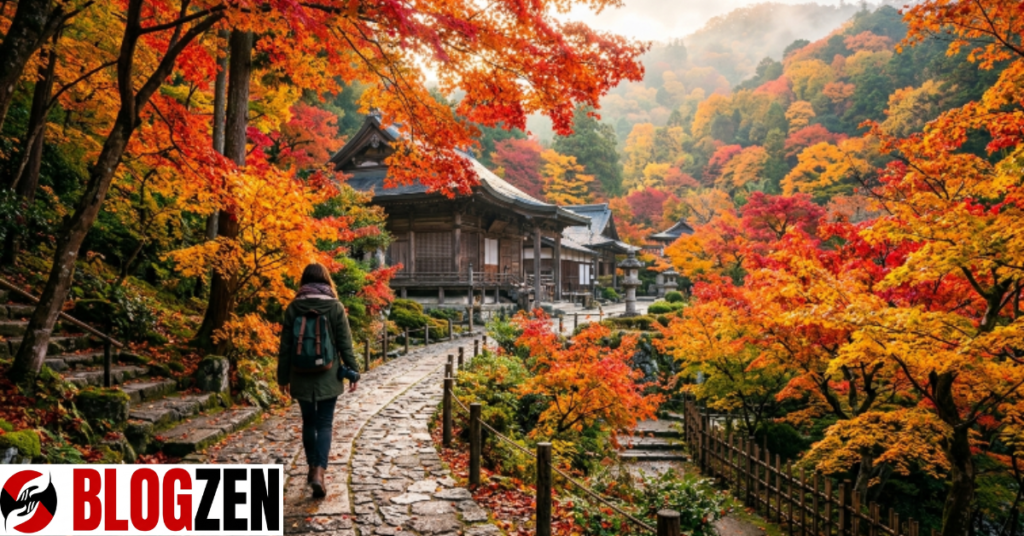
Many seasoned travellers argue that autumn, spanning late September to early December, is actually the best time to visit Japan overall. The koyo, or autumn foliage season, transforms parks and mountains into deep reds, oranges, and golds, with peak colour typically appearing in Kyoto and Tokyo during mid-to-late November. Temperatures are gentle, usually ranging from 10°C to 20°C, and humidity drops significantly compared to summer.
Autumn also avoids the extreme crowding of cherry blossom season while still offering spectacular scenery, making it a strong choice for travellers who want beauty without the peak-season chaos. Regions like Nikko, Hakone, and the Japanese Alps become particularly stunning, and the season pairs well with harvest-based cuisine including chestnuts, sweet potatoes, and matsutake mushrooms. Hotel prices tend to sit lower than spring, though they still rise around the foliage peak in late November.
Winter in Japan: Snow, Skiing, and Quiet Cities
Winter runs from December through February and offers a completely different side of Japan. Central and southern regions like Tokyo, Osaka, and Kyoto experience cold but generally dry weather, with clear skies making it an excellent time for sightseeing without the crowds of spring or autumn. Hokkaido and the Japanese Alps, by contrast, receive some of the best powder snow in the world, drawing skiers and snowboarders to resorts such as Niseko and Hakuba.
Winter is also the most budget-friendly season for flights and accommodation outside of the New Year holiday period, when domestic travel spikes as families gather to celebrate. Hot spring towns, or onsen, become especially appealing during this season, with the contrast of steaming outdoor baths against snowy landscapes offering one of Japan’s most memorable experiences. For travellers prioritising value and tranquillity over blossoms or foliage, winter deserves serious consideration.
Best Time to Visit Japan by Travel Goal
The ideal season ultimately depends on what a traveller wants from the trip. Those chasing iconic cherry blossoms should target late March to early April, accepting higher prices and denser crowds as part of the trade-off. Travellers seeking the calmest, most comfortable sightseeing conditions often find autumn strikes the best balance between mild weather, stunning scenery, and manageable crowds. Winter suits skiers, hot spring enthusiasts, and budget-conscious travellers willing to trade blossoms for savings and solitude. Summer works best for those drawn to festival culture and willing to tolerate heat and humidity in exchange for a livelier, more local experience.
Regional Differences Worth Considering
Japan’s geography means the same season can feel completely different depending on the region. Okinawa in the south maintains a subtropical climate, making it warm enough for beach holidays even in winter and spring. Hokkaido in the north experiences a much shorter, cooler summer and a long, snow-heavy winter that starts earlier and lasts longer than in Tokyo or Osaka. Central Honshu, including Tokyo, Kyoto, and Osaka, follows the more typical four-season pattern most travel guides describe. Understanding these regional variations helps travellers avoid assuming that conditions in one part of the country apply everywhere else.
Budget and Crowd Considerations for UK Travellers
For UK travellers booking flights from London, Manchester, or other major hubs, seasonal pricing swings can be significant. Spring and the New Year period tend to carry the highest airfares and hotel rates due to overlapping demand from both international and domestic travellers. Winter, excluding the New Year holidays, and early autumn before peak foliage often present the best value, with lower flight prices and more room availability in popular cities. Booking around six months ahead generally secures better rates regardless of season, though cherry blossom and peak autumn travel benefit from even earlier planning given how quickly accommodation fills up in Kyoto and Tokyo.
Practical Tips for Choosing Your Travel Dates
Beyond weather and crowds, a few practical factors can shape the ideal timing for a Japan trip. Checking the specific bloom or foliage forecasts closer to departure helps fine-tune dates, since both cherry blossoms and autumn colours shift by one to two weeks depending on the year’s climate patterns. Avoiding Golden Week in late April to early May and the New Year period in late December to early January helps sidestep the heaviest domestic travel surges. Pairing regions strategically, such as combining Tokyo in autumn with a side trip to Hokkaido before the deepest winter snow arrives, can also maximise variety within a single itinerary.
Conclusion
There is no single universally best time to visit Japan, since the right season depends entirely on what a traveller values most. Spring delivers unforgettable cherry blossoms at the cost of crowds and higher prices, summer brings festival energy despite the heat, autumn offers a gentler, increasingly popular alternative with stunning foliage, and winter rewards those chasing snow, onsen, and better value. By weighing weather, crowds, budget, and personal travel goals against this season-by-season breakdown, UK travellers can confidently pinpoint the best time to visit Japan for their own trip and build an itinerary that matches exactly what they’re hoping to experience.
FAQs
What is the best month to visit Japan overall?
Many travellers consider late March to early April or November the best months to visit Japan, since these periods offer either cherry blossoms or vivid autumn foliage alongside comfortable temperatures. The right choice ultimately depends on whether blossoms, colour, festivals, or snow matter most to the individual traveller.
Is spring or autumn better for visiting Japan?
Spring offers the unmatched spectacle of cherry blossoms but comes with heavier crowds and higher prices, while autumn provides similarly beautiful scenery through foliage with slightly milder crowding and often better value, making it a strong alternative for travellers wanting a calmer experience.
When does cherry blossom season happen in Japan?
Cherry blossom season typically peaks in Tokyo and Kyoto during the first two weeks of April, though the exact timing shifts each year and can occur slightly earlier or later depending on temperature patterns that season.
Is it worth visiting Japan in summer?
Summer suits travellers interested in vibrant festivals, fireworks displays, and local matsuri culture, though the heat and humidity from June through August can make extended sightseeing uncomfortable, particularly in cities like Tokyo and Osaka.
What is winter like in Japan for tourists?
Winter brings cold, generally dry weather in cities like Tokyo and Kyoto, along with excellent skiing conditions in Hokkaido and the Japanese Alps, making it appealing for travellers interested in snow sports, hot springs, and quieter sightseeing away from peak-season crowds.
Should I avoid visiting Japan during Golden Week?
Golden Week in late April to early May brings a surge of domestic travel as several national holidays cluster together, leading to packed trains, higher accommodation prices, and busier attractions, so many travellers prefer to plan around this specific window.
Is Japan expensive to visit during cherry blossom season?
Cherry blossom season is generally one of the more expensive times to visit Japan, since high demand from both international and domestic travellers pushes up flight and hotel prices, making early booking particularly important during this period.
What is the cheapest time to visit Japan?
Winter months outside the New Year holiday period and early autumn before peak foliage tend to offer the most competitive flight and hotel prices, giving budget-conscious travellers a good balance of manageable costs and pleasant sightseeing conditions.
Does the best time to visit Japan change by region?
Yes, regions like Okinawa stay warm enough for beach holidays even in winter, while Hokkaido experiences a much longer, snowier winter than central Japan, so the ideal timing can shift significantly depending on which part of the country is being visited.
How far in advance should UK travellers book a trip to Japan?
Booking around six months ahead generally secures better flight and accommodation rates, though travellers targeting cherry blossom season or peak autumn foliage should aim to book even earlier, since availability in cities like Kyoto and Tokyo fills up quickly during these periods.
