



Introduction
Choosing the best time to visit Costa Rica can make the difference between a holiday filled with sunshine and wildlife sightings and one spent dodging tropical downpours. This small Central American nation packs an extraordinary range of ecosystems into a compact area, from misty cloud forests to golden Pacific beaches, and its weather patterns shift dramatically depending on the region and season. For UK travellers planning a trip, understanding when to go is just as important as deciding where to stay. This guide breaks down the country’s climate, seasonal highlights, and practical considerations so you can plan a trip that matches your priorities, whether that’s beach relaxation, wildlife spotting, or budget-conscious exploring.
Understanding Costa Rica’s Two Main Seasons
Costa Rica doesn’t follow the four-season calendar familiar to UK travellers. Instead, the country experiences two broad seasons shaped by tropical weather patterns: the dry season and the green season. The dry season typically runs from December through April, while the green season, sometimes called the rainy season, spans May through November. These two periods offer very different experiences, and each has its own loyal following among visitors.
The dry season tends to attract most international tourists because it delivers consistent sunshine, lower humidity, and easier road conditions across the country. The green season, meanwhile, transforms the landscape into a lush, vibrant paradise, with rainfall that’s often concentrated into short afternoon showers rather than all-day downpours. Neither season is inherently better; the right choice depends entirely on what you want from your trip.
Why the Dry Season Is the Most Popular Choice
For many UK visitors, the dry season represents the best time to visit Costa Rica because it aligns with the classic image of a tropical getaway. Skies are generally clear, humidity drops to more comfortable levels, and popular attractions like Manuel Antonio National Park and the beaches of Guanacaste become far easier to explore without the risk of sudden rain interrupting plans.
This period also coincides with the UK’s winter months, making it an appealing escape from cold, grey weather back home. December through February in particular sees a surge in bookings, partly because it overlaps with Christmas and New Year holidays. Families and couples alike find this window ideal for combining beach time with excursions like zip-lining, volcano hikes, and boat tours.
However, popularity comes with trade-offs. Accommodation prices rise significantly during peak dry season months, and popular destinations can feel crowded compared to quieter times of year. Travellers who value tranquillity over guaranteed sunshine might want to consider the shoulder months instead.
The Shoulder Months: A Smart Middle Ground
November and late April through early May often get overlooked, yet they can offer some of the best value and weather balance for those wondering about the best time to visit Costa Rica. These transitional periods sit between the two main seasons, meaning travellers can enjoy relatively dry conditions without the peak-season price tags or crowds.
Late November, for instance, often sees the tail end of the rains clearing up while vegetation remains lush and green from months of rainfall. Similarly, the beginning of May can still offer dry, sunny days in many regions before the wetter months fully set in. Booking during these windows often means better availability at popular lodges and more relaxed experiences at national parks.
Exploring the Green Season’s Hidden Advantages
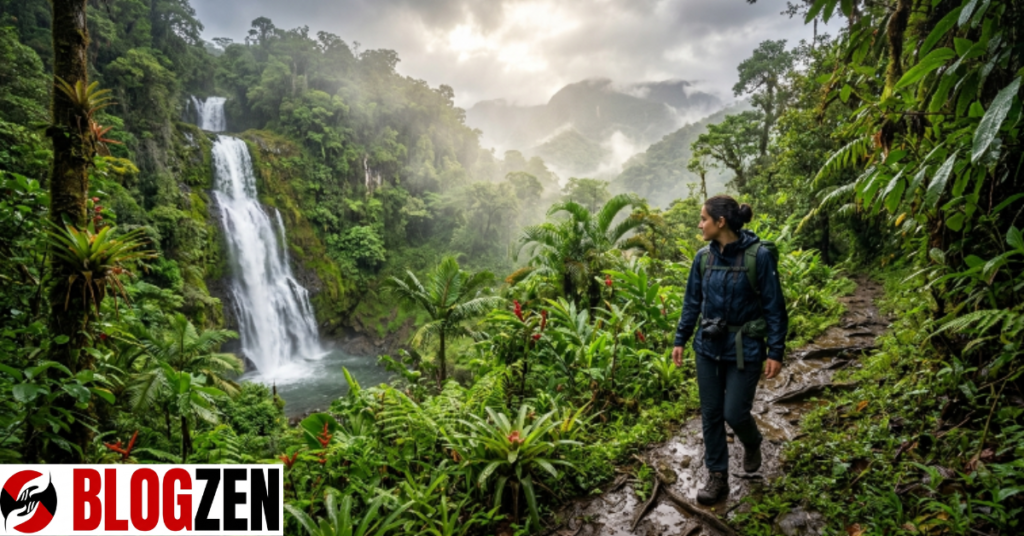
While the dry season dominates the tourism calendar, the green season has quietly built a reputation among experienced travellers and nature enthusiasts. Rainfall during this period is often predictable, arriving in focused afternoon bursts that leave mornings clear and ideal for outdoor activities. This pattern allows visitors to plan excursions around the weather rather than being at its mercy all day.
The landscape itself becomes a major draw during these months. Rivers swell, waterfalls reach their most dramatic flow, and rainforests turn a deeper, richer shade of green. Wildlife activity often increases too, as the abundance of water and vegetation supports greater biodiversity. Birdwatchers and wildlife photographers frequently favour this period precisely because the environment feels more alive and less trampled by tourist crowds.
Financially, the green season also makes sense for budget-conscious travellers. Hotel rates drop, flights can be cheaper, and popular attractions see far fewer visitors, allowing for a more intimate experience of destinations like Corcovado National Park or the Monteverde Cloud Forest Reserve.
Regional Weather Variations Worth Knowing
Costa Rica’s geography creates distinct microclimates that don’t always follow the national dry and green season pattern. The Caribbean coast, for example, behaves quite differently from the Pacific side. While the Pacific coast experiences a clear dry season from December to April, the Caribbean coast tends to be wetter year-round, though it often sees a brief drier spell in September and October when the Pacific side is experiencing its heaviest rains.
This regional variation means that the best time to visit Costa Rica can shift depending on which part of the country tops your itinerary. Travellers heading primarily to Caribbean destinations like Puerto Viejo or Tortuguero might find September and October surprisingly pleasant, even though these months fall squarely within the broader green season elsewhere.
Highland regions, including the area around Monteverde, also experience their own microclimate, with cooler temperatures and frequent mist regardless of the season. Packing layers becomes essential for anyone planning to explore both coastal lowlands and elevated cloud forest terrain within the same trip.
Wildlife Watching and Seasonal Timing
Wildlife enthusiasts often plan their entire trip around specific seasonal events, and Costa Rica offers several worth noting. Sea turtle nesting season varies by species and coastline, with some turtles nesting along the Pacific coast during the rainy season months and others favouring the Caribbean side at different points in the year. Witnessing this natural spectacle requires careful timing and often benefits from local guide knowledge.
Bird migration also plays a role in seasonal planning. Many migratory species pass through or winter in Costa Rica between December and April, coinciding with the dry season and adding another layer of appeal for birdwatchers visiting during this window. Meanwhile, resident wildlife such as sloths, monkeys, and toucans remain visible throughout the year, making Costa Rica a rewarding destination regardless of when you choose to travel.
Budget Considerations Across the Year
Cost plays a significant role for many UK travellers weighing up the best time to visit Costa Rica. Peak dry season months, particularly December through February, command the highest prices for flights, accommodation, and guided tours. Popular eco-lodges and beachfront resorts can book up months in advance during this period, so early planning becomes essential.
By contrast, green season travel often delivers substantial savings. Many hotels offer reduced rates, and some tour operators provide discounts to attract visitors during quieter months. For travellers with flexible schedules and a willingness to embrace occasional rain showers, this trade-off can make a longer or more comfortable trip financially achievable.
Matching the Season to Your Travel Style
Ultimately, determining the best time to visit Costa Rica comes down to personal priorities. Those seeking guaranteed sunshine, easier logistics, and a classic tropical holiday experience will likely find the dry season most suitable, particularly if travelling with family or on a fixed schedule. Meanwhile, travellers drawn to lush scenery, fewer crowds, and better value may find the green season, or the shoulder months bridging the two, a more rewarding choice.
Adventure travellers focused on activities like whitewater rafting often prefer the green season, since higher rainfall increases river flow and creates more thrilling rapids. Meanwhile, those planning extensive road trips across multiple regions may lean toward the dry season, when road conditions remain more predictable and accessible throughout the country.
Conclusion
There’s no single answer to the question of when to visit this remarkable country, because Costa Rica rewards visitors throughout the year in different ways. The dry season delivers reliable sunshine and easier travel logistics, making it ideal for first-time visitors or those with limited flexibility. The green season, meanwhile, offers lush landscapes, thriving wildlife, and better value for travellers willing to work around brief afternoon showers. Shoulder months provide an appealing balance for those wanting the best of both worlds. Whatever the season, careful planning around your chosen destinations and priorities will ensure a memorable Costa Rican adventure.
FAQs
What is the driest month to visit Costa Rica?
February is generally considered the driest month across most of the country, particularly on the Pacific coast, offering consistently sunny skies and minimal rainfall throughout the region.
Is Costa Rica worth visiting during the rainy season?
Yes, the green season offers lush scenery, active wildlife, and lower prices, with rain typically arriving in short afternoon bursts rather than lasting all day, leaving mornings free for outdoor activities.
Which months should I avoid if I dislike heavy rain?
September and October tend to bring the heaviest rainfall to much of the Pacific side of the country, so travellers sensitive to prolonged downpours may prefer to avoid these months on that coast.
Does the Caribbean coast follow the same seasons as the Pacific coast?
No, the Caribbean coast experiences wetter conditions year-round but often sees a brief drier window in September and October, opposite to the pattern found on the Pacific side.
What is the best time to see sea turtles in Costa Rica?
Nesting periods vary by species and coastline, with some turtles nesting during the rainy season on the Pacific side and others favouring different months on the Caribbean coast, so checking specific species and locations helps with timing.
Is it cheaper to travel to Costa Rica during the green season?
Yes, accommodation and tour prices generally drop during the green season, as fewer tourists visit, making it an appealing option for budget-conscious travellers.
Can I still enjoy beaches during the rainy season?
Absolutely, since rain typically falls in short afternoon showers, mornings and early afternoons often remain clear and suitable for beach time and outdoor exploration.
What should I pack for a trip during the shoulder season?
Lightweight clothing suitable for humidity, a light rain jacket, and comfortable walking shoes work well, since shoulder season weather can shift quickly between sunny spells and brief showers.
Are national parks less crowded outside the dry season?
Yes, popular parks like Corcovado and Manuel Antonio tend to see significantly fewer visitors during the green season, allowing for a quieter, more immersive experience.
Does altitude affect the best time to visit certain regions?
Yes, highland areas like Monteverde maintain cooler temperatures and frequent mist regardless of season, so travellers should pack layers when exploring both coastal and elevated regions within the same trip.
