


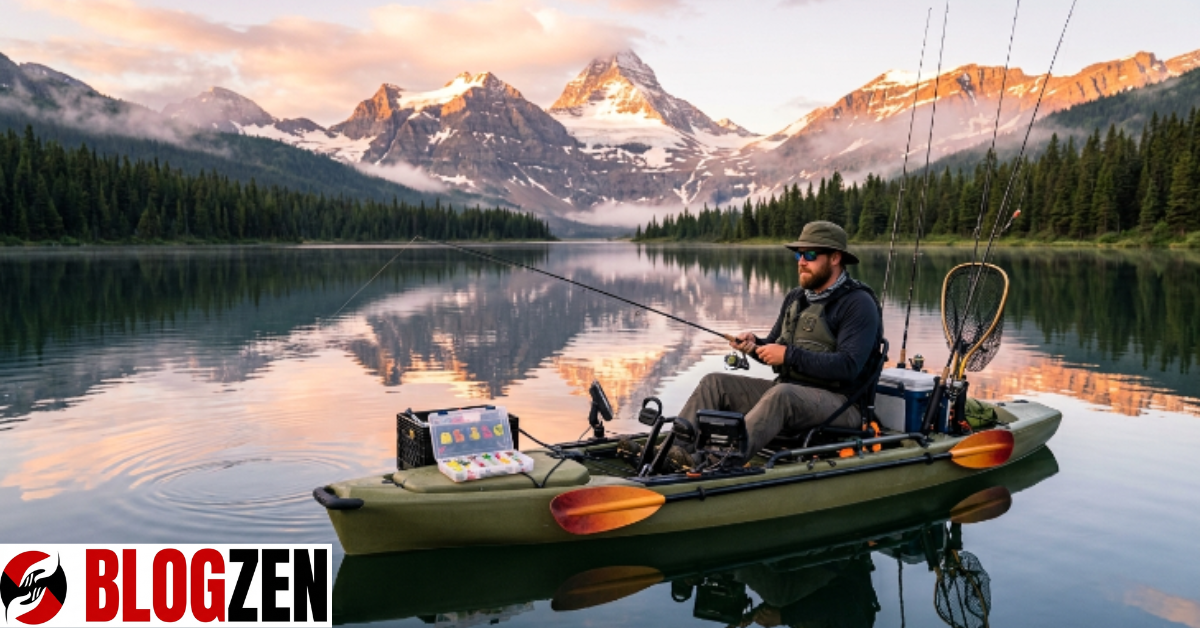
Quick Answer
The best fishing kayaks combine a wide, stable hull, at least 350 lbs of weight capacity, and dedicated rod holders or tackle storage. Sit-on-top models suit warm climates and beginners, while pedal-drive kayaks free up your hands for casting. Price ranges from $400 for basic models to $3,000+ for motorized options.
Most anglers buy the wrong kayak on their first try. Not because they’re careless — but because nobody tells them what actually matters until they’re already 200 yards offshore, wobbling, and wondering why their $600 purchase feels like sitting on a pool noodle.
If you’re hunting for the best fishing kayaks, you’ve probably noticed the market is flooded with options that all claim to be “the top choice for anglers.” Some are. Most aren’t. This guide breaks down what separates a kayak that helps you fish better from one that just floats.
By the end of this article, you’ll know exactly which features matter, which ones are marketing fluff, and how to pick a kayak that fits your budget, your water, and your fishing style.
What Are Fishing Kayaks and Why They Matter Today
A fishing kayak isn’t just a regular kayak with a rod holder glued on. Here’s what nobody tells you: the entire hull design, seating position, and weight distribution are engineered differently from recreational kayaks.
Standard kayaks are built for speed and maneuverability. Fishing kayaks are built for stability — because casting, reeling, and standing up to net a fish requires a platform that won’t tip the second you shift your weight. That’s why most fishing kayaks have wider hulls, usually between 32 and 36 inches, compared to the 24–28 inches you’ll find on touring kayaks.
The demand has exploded too. According to industry estimates, kayak fishing participation in the U.S. has grown by roughly 30% over the past five years, driven largely by anglers looking for a cheaper, quieter alternative to bass boats. You don’t need a trailer, a boat ramp fee, or a mechanic on speed dial. You need a kayak, a paddle, and a decent stretch of water.
Think of it this way: a bass boat gets you there fast. A fishing kayak gets you closer — into shallow coves, tight mangrove tunnels, and skinny water that boats simply can’t reach.
How the Best Fishing Kayaks Actually Work
Let me explain why hull shape matters more than almost anything else on this list. The three main hull types — flat, pontoon (tunnel), and V-shaped — each behave completely differently on the water.
Flat hulls offer the most initial stability, meaning they feel steady the moment you sit down. Pontoon hulls take that further, offering excellent stability even when you stand up to sight-fish. V-shaped hulls sacrifice some stability for speed and better tracking in open water or current.
Sit-On-Top vs. Sit-In Kayaks
Sit-on-top kayaks dominate the fishing market for a simple reason: self-bailing scupper holes let water drain out automatically, and you can hop on and off easily when wading. Sit-in kayaks keep you drier and warmer, which matters more in cold-weather regions, but they’re harder to re-enter if you capsize.
Pedal-Drive vs. Paddle Kayaks
Pedal-drive systems, like those from Hobie or Native Watercraft, let you propel the kayak with your legs while your hands stay free for casting. This is genuinely a game-changer for solo anglers working a shoreline. The tradeoff? Pedal kayaks typically cost $500–$1,500 more and weigh 20–40 lbs heavier than paddle-only models.
Pro Tip: If you fish alone often, a pedal-drive kayak with reverse gearing (like Hobie’s MirageDrive) lets you back away from structure without lifting a paddle — critical when you’re tangled in a fish near cover.
Common Mistakes People Make When Choosing a Fishing Kayak
Most people get this completely wrong: they buy based on price alone, then discover the kayak can’t handle their gear, their weight, or their local water conditions.
Here’s what actually goes wrong most often:
- Ignoring weight capacity and buying a kayak rated too close to their body weight plus gear
- Choosing a narrow, fast kayak for calm lakes when they actually fish windy, open reservoirs
- Skipping a test paddle and assuming all “stable” kayaks feel the same in the water
Weight capacity is the single most overlooked factor. A kayak rated for 400 lbs might technically hold you and your gear, but it’ll sit low in the water, paddle sluggishly, and feel unstable. As a rule of thumb, stay at 75% or less of the maximum weight rating for a comfortable, safe experience.
Another mistake: assuming longer automatically means faster and better. Longer kayaks (12–14 feet) do track straighter, but they’re harder to maneuver in tight creeks and heavier to transport solo.
Expert Tips and Proven Strategies for Picking the Right Kayak
The truth is, the “best” fishing kayak doesn’t exist as a single model — it depends entirely on where and how you fish. But there are proven strategies that apply across the board.
First, match the kayak to your primary water type. Rivers and currents demand better tracking (longer, narrower hulls). Lakes and calm bays reward stability (wider, shorter hulls). Coastal and saltwater fishing demands corrosion-resistant hardware and higher weight capacity for extra gear.
Second, prioritize storage and rigging space over flashy extras. A kayak with a rear tank well, flush-mount rod holders, and a front hatch will serve you longer than one with gimmicky cupholders and no real cargo space.
| Kayak Type | Best For | Avg. Price | Stability | Speed |
|---|---|---|---|---|
| Sit-on-top, paddle | Beginners, warm climates | $400–$900 | High | Medium |
| Pedal-drive | Solo anglers, hands-free fishing | $1,200–$3,000 | High | Medium-High |
| Sit-in touring | Cold weather, long distances | $600–$1,400 | Medium | High |
| Inflatable fishing kayak | Storage-limited anglers | $300–$800 | Medium | Low-Medium |
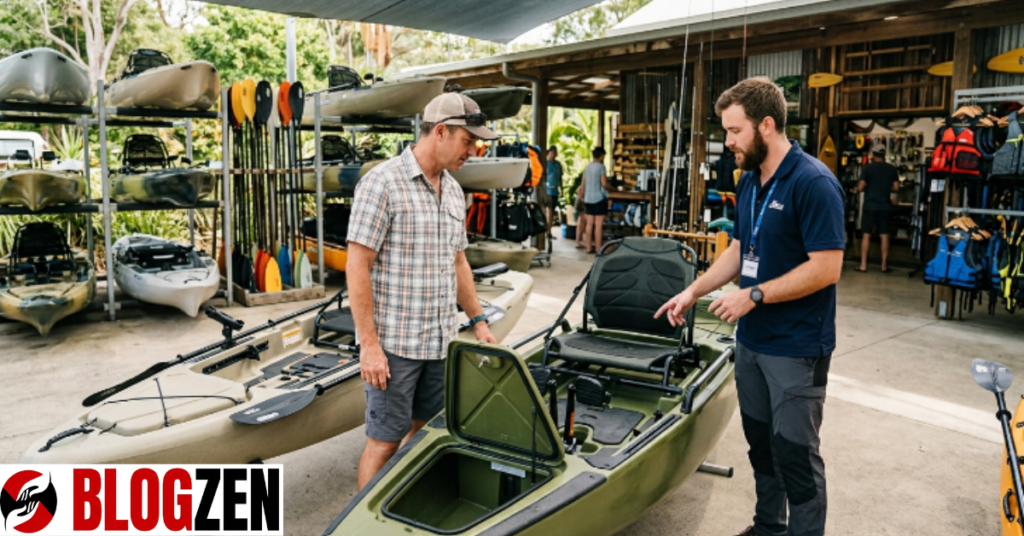
Pro Tip: Before buying, check if local outfitters offer demo days. Paddling three different hull types back-to-back teaches you more in an hour than any spec sheet ever will.
Real-World Examples: What Anglers Actually Use
Take Mark, a weekend angler fishing brackish marshes in the Gulf Coast. He initially bought a 10-foot recreational kayak because it was cheap — and within a month, upgraded to a wider sit-on-top model after realizing he couldn’t stand to sight-cast for redfish without nearly tipping over.
Compare that to Sarah, who fishes mountain lakes in Colorado. She chose a 12-foot sit-in touring kayak with a rudder system, because her days involve paddling 3–4 miles to reach productive water — speed and tracking mattered more than standing stability.
These aren’t outliers. Your fishing style should dictate your kayak choice, not the other way around. Anglers who buy first and adapt their fishing style later almost always end up frustrated or buying a second kayak within a year.
Step-by-Step Guide to Choosing Your Fishing Kayak
Here’s how to actually make this decision without getting overwhelmed by options.
- Identify your primary water type — lake, river, or coastal/saltwater
- Calculate your total weight load — your body weight plus gear, then find kayaks rated at least 25% above that number
- Decide between paddle and pedal drive based on how often you fish solo and need hands-free casting
- Test paddle at least two hull types if a local shop or outfitter offers demos
- Check storage layout — tank wells, rod holders, and hatch placement matter more than color options
- Set a realistic budget including accessories like a paddle leash, anchor trolley, and PFD
- Read verified owner reviews from anglers fishing similar water to yours, not generic star ratings
Following this order prevents the most common trap: falling in love with a kayak’s looks before confirming it actually fits your fishing needs.
Myths vs. Facts About Fishing Kayaks
Myth: You need the most expensive kayak to catch more fish. Fact: A well-matched $600 kayak will outperform a poorly-matched $2,500 one every time. Fit matters more than price.
Myth: Wider kayaks are always slower and not worth it. Fact: Modern pontoon-hull designs have closed much of that speed gap while keeping the stability advantage.
Myth: Pedal kayaks are only for “serious” anglers. Fact: Plenty of casual weekend paddlers use pedal drives simply because it’s less tiring on longer trips — it’s about comfort, not skill level.
Here’s what nobody tells you: even experienced anglers switch kayak types as their fishing style evolves. Buying your “forever kayak” on day one puts unnecessary pressure on a decision that’s allowed to change.
Conclusion
Choosing among the best fishing kayaks comes down to three things: matching hull type to your water, respecting weight capacity limits, and prioritizing storage over gimmicks. Skip any of these, and you’ll likely be shopping again within a year.
The kayak that works for your fishing buddy might be completely wrong for you — and that’s fine. What matters is testing your options, being honest about how and where you actually fish, and buying for function first.
So, what’s holding you back from getting on the water? Drop a comment with your fishing spot and budget, and let’s figure out which kayak type fits you best. And if you’re still setting up your gear, check out our guide on rigging your kayak for your target species next.
Your next great catch starts with the right seat under you.
FAQs
What is the most stable type of fishing kayak?
Pontoon (tunnel) hull kayaks offer the highest stability, especially for standing while casting. Sit-on-top models with a wide, flat bottom come in second. Stability also depends on kayak width — anything 32 inches or wider generally feels secure for most anglers, even beginners standing for the first time.
How much should I spend on my first fishing kayak?
Budget $500–$900 for a solid entry-level fishing kayak with basic rigging. Avoid the cheapest sub-$300 options, since they often skip essential features like scupper holes and rod holder mounts. A mid-range purchase now typically saves money versus upgrading twice within two years.
Are the best fishing kayaks always sit-on-top models?
Not always. Sit-on-top kayaks dominate warm-climate and saltwater fishing, but sit-in models remain the better choice for cold water, long-distance paddling, and rougher conditions where staying dry matters more than easy re-entry after a capsize.
Can one person transport and load a fishing kayak alone?
Yes, with the right setup. Kayaks under 60 lbs can generally be loaded solo using a roof rack with a loading assist bar, or a kayak trailer. Steps for solo loading include: 1) using foam blocks to protect your roof, 2) sliding the kayak using a rear roller, and 3) securing with cam-buckle straps front and back.
Do fishing kayaks work well in saltwater?
Yes, but only models built with corrosion-resistant hardware, UV-stabilized plastic, and reinforced scupper holes hold up long-term in saltwater. Rinsing your kayak and hardware with fresh water after every saltwater trip significantly extends the lifespan of pedal drives and metal fittings.
What accessories actually matter for fishing kayaks?
Beyond the kayak itself, prioritize a paddle leash, an anchor trolley system, and a quality PFD rated for paddlesports. Rod holders and a small tackle crate round out the essentials. Skip accessories like kayak lights or GPS mounts until you’ve confirmed your core setup works for your fishing style. VISIT BLOGZEN
