



Quick Answer
To clean makeup brushes, wet the bristles, swirl them in lukewarm water with a gentle cleanser or baby shampoo, rinse until water runs clear, reshape, and dry flat. Clean brushes weekly and deep-clean monthly to prevent breakouts, bacteria buildup, and product buildup that ruins your makeup application.
Your favorite foundation brush is holding onto more bacteria than a toilet seat right now. That’s not an exaggeration — studies on cosmetic tools have found staph, E. coli, and other bacteria living in the bristles of brushes that haven’t been washed in weeks. If you’ve been wondering how to clean makeup brushes correctly, you’re already ahead of most people who just rinse them under a tap and call it done.
Here’s what you’re about to get: a full breakdown of why dirty brushes cause skin problems, the exact cleaning method professionals use, the mistakes that ruin brush quality, and a step-by-step routine you can start today. By the end, you’ll know exactly why your skin has been acting up — and how to fix it for good.
What Dirty Makeup Brushes Actually Do to Your Skin
Most people think a little leftover foundation on a brush is harmless. It isn’t. Every time you use a brush, it picks up dead skin cells, natural oils, and bacteria from your face.
Then that same brush sits in a makeup bag, in a warm, dark, slightly damp environment — basically a five-star hotel for bacteria. The next time you use it, you’re literally rubbing that bacteria back into your pores.
The result is clogged pores, breakouts, and sometimes fungal infections that dermatologists trace directly back to dirty tools. If you’ve been battling random breakouts despite a solid skincare routine, your brushes might be the missing piece.
How to Clean Makeup Brushes the Right Way
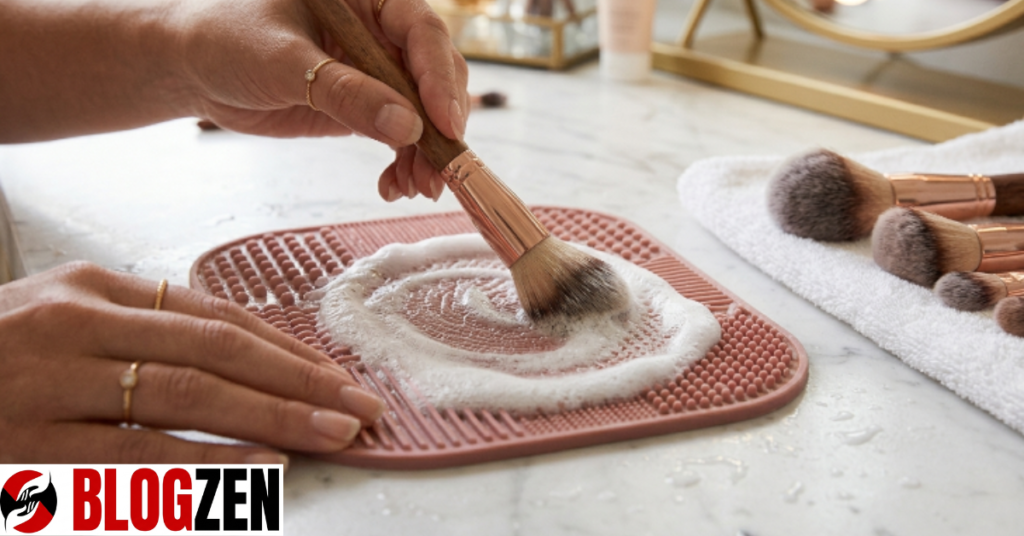
Here’s what nobody tells you — cleaning a brush isn’t just about removing visible color. It’s about breaking down oil and bacteria trapped deep in the bristles near the base, not just the tips.
The process is simple once you know it:
- Wet the bristles with lukewarm water, pointing them downward so water doesn’t reach the handle glue.
- Add a small amount of gentle cleanser, baby shampoo, or a dedicated brush cleaner to your palm.
- Swirl the brush gently in circles against your palm for 20–30 seconds.
- Rinse thoroughly until the water runs clear, not cloudy or colored.
- Squeeze out excess water gently — never twist or pull the bristles.
- Reshape the brush head and lay it flat to dry, hanging slightly off a counter edge.
Pro Tip: Never let water pool at the ferrule (the metal part holding the bristles). It weakens the glue over time and causes shedding.
Common Mistakes People Make With Brush Cleaning
Most people get this completely wrong by using hot water. Heat breaks down the glue holding bristles in place and can warp brush shape permanently.
Another mistake is standing brushes upright to dry. Water seeps into the handle, loosens the glue, and eventually the whole brush head falls apart — sometimes within weeks.
People also skip drying time entirely and use a damp brush the next morning. A damp brush is a breeding ground for mold and bacteria, which defeats the entire purpose of cleaning it.
Expert Tips and Proven Strategies
Think of it this way: your brushes are tools, and tools need maintenance schedules, not random cleaning whenever you remember. Makeup artists who work on multiple clients daily clean brushes between every use with a quick-dry spray cleaner, then do a deep wash weekly.
For personal use, a realistic schedule works better than perfection. Face brushes (foundation, powder, blush) touch the most oil and bacteria, so they need weekly washing. Eye brushes can go two weeks between washes since they touch less oil, but should still be spot-cleaned after each use with a dry cleanser spray.
Pro Tip: Keep a small spray bottle of diluted micellar water near your vanity for quick daily spritzes between full washes.
Real-World Example: The Breakout Nobody Could Explain
A skincare forum case that circulated widely involved a woman who tried five different foundations over six months, convinced each one was “breaking her out.” She switched skincare routines twice. Nothing worked.
The actual culprit was a foundation brush she hadn’t washed in over four months. Once she started weekly cleaning, her breakouts cleared within two weeks — no product changes needed.
The truth is, people blame products, diet, and stress before they ever think to check their tools. Your brush might be the actual problem, not your skincare routine.
Brush Cleaner Comparison: Which Method Works Best
| Method | Time Required | Best For | Drawback |
|---|---|---|---|
| Baby shampoo + water | 5–10 min | Weekly deep clean | Slower drying time |
| Dedicated brush cleanser | 3–5 min | Weekly deep clean | Costs more over time |
| Quick-dry spray cleaner | Under 1 min | Between-use spot clean | Doesn’t remove deep buildup |
| Brush cleaning mat + soap | 5–7 min | Deep clean, textured brushes | Requires extra tool |
Myths vs Facts About Cleaning Makeup Brushes
Myth: Rinsing with water alone is enough. Fact: water removes surface color but leaves oil and bacteria behind, since oil doesn’t dissolve in water alone.
Myth: Natural bristle brushes don’t need washing as often. Fact: natural bristles actually hold more oil and bacteria than synthetic ones, so they need equal or more frequent cleaning.
Myth: Alcohol-based sprays fully sanitize brushes. Fact: they kill some bacteria but don’t remove buildup, so they should supplement — not replace — regular washing.
Your Simple Weekly Brush-Care Routine
Set one day a week, wash all face brushes with cleanser or baby shampoo, and lay them flat overnight. Spot-clean eye brushes daily with a quick spray. Deep clean everything monthly, including brush handles and any storage cups or bags they sit in, since bacteria collects there too.
The single most important takeaway here is consistency — a perfect one-time deep clean means nothing if you go back to ignoring your brushes for another two months.
So here’s your next step: pick one day this week, set a reminder on your phone, and wash every brush you own tonight. Your skin will notice the difference within days. What’s been your biggest brush-cleaning mistake so far — drop it in the comments below.
FAQs
How often should you clean makeup brushes?
Face brushes should be washed weekly since they collect oil, dead skin, and bacteria fastest. Eye brushes can go up to two weeks with regular spot cleaning in between using a quick-dry spray. Sponges need washing after every single use, as they hold more moisture and bacteria than brushes do.
What household items can I use to clean makeup brushes?
Baby shampoo, mild dish soap, and even olive oil (to break down stubborn pigment before rinsing) all work well at home. Avoid regular bar soap since it can leave residue in the bristles. A simple mix of dish soap and warm water handles most buildup effectively without needing specialty products.
Can dirty makeup brushes cause acne?
Yes, dirty brushes are a documented cause of breakouts because they transfer trapped bacteria and oil directly onto your skin. Dermatologists frequently ask patients about brush-washing habits when treating unexplained acne. If breakouts persist despite good skincare, checking brush hygiene is a logical next step before switching products.
How long does it take for makeup brushes to dry?
Most brushes take 6–12 hours to fully air dry, depending on bristle density and humidity levels. Drying them flat, slightly hanging off a counter edge, speeds this up by letting gravity pull water away from the ferrule. Never use a hairdryer, as heat damages both natural and synthetic bristles.
What’s the best way to clean makeup brushes without a special cleanser?
A gentle, unscented dish soap diluted in lukewarm water works nearly as well as dedicated brush cleansers. The steps are simple:
- Wet bristles and add a small drop of dish soap.
- Swirl gently against your palm for 20–30 seconds.
- Rinse until water runs completely clear.
- Reshape and lay flat to dry.
Do synthetic brushes need different cleaning than natural bristle brushes?
Synthetic brushes generally dry faster and hold less bacteria, but they still need the same washing frequency as natural ones. Natural bristles are more porous and absorb oil deeper, so they benefit from slightly longer swirling time during washing. Both types should avoid hot water, which damages either material similarly over time. VISIT BLOGZEN
