


Quick Answer
Typing “matcha near me” usually turns up a dozen cafés, but most serve sweetened powder mixes, not real ceremonial-grade matcha. The difference comes down to sourcing, preparation, and freshness — and once you know what to look for, spotting a genuine matcha spot takes less than 30 seconds.
Most matcha searches end the same way: a green drink that tastes like sugar with a hint of grass. That’s not your fault. It’s how most cafés make it.
If you’ve searched matcha near me hoping to find something that actually tastes like the real thing, you’re not alone — and you’re closer to finding it than you think. This guide walks you through exactly how to separate the real cafés from the ones just riding the matcha trend, what questions to ask, and how to order like someone who actually knows what they’re drinking.
By the end, you’ll know how to judge a matcha menu in seconds, what red flags to avoid, and how to get a cup that’s worth the hype.
What “Matcha Near Me” Searches Are Really Looking For
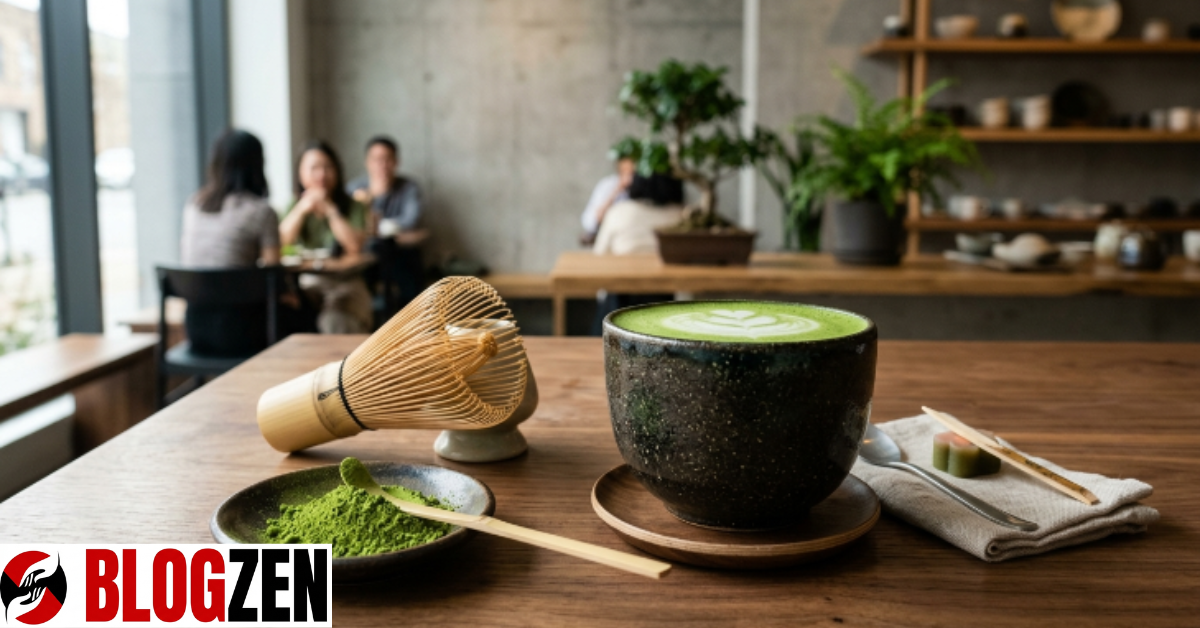
Here’s what nobody tells you: when people search for matcha nearby, they’re rarely just looking for “a green tea drink.” They’re looking for something specific — a shade-grown, stone-ground Japanese green tea powder that’s whisked, not stirred, into a smooth, slightly bitter, umami-rich drink.
The demand is real. Matcha searches have climbed steadily over the past few years as more people move away from coffee for a gentler caffeine boost. The catch is that “matcha” has become a marketing word first and a tea second.
Most people typing this search want three things: convenience, authenticity, and a drink that actually justifies the price. Cafés that understand this — and deliver on it — are the ones worth your time. The rest are selling you sweetened green food coloring.
How Real Matcha Actually Works
Let me explain why this matters more than most people realize. Matcha isn’t just green tea leaves ground into powder — it’s a specific cultivation and processing method that changes the flavor entirely.
Tea plants grown for matcha are shaded for about three weeks before harvest. This boosts chlorophyll and amino acids, which is why good matcha tastes smooth and slightly sweet instead of bitter and grassy. The leaves are then steamed, dried, de-veined, and stone-ground into an ultra-fine powder — a process that can take up to an hour to produce just 30 grams.
This is why authentic matcha costs more, and why a $3 “matcha latte” is almost never the real thing. Cafés using genuine ceremonial or premium-grade matcha typically charge $5–$7 for a latte, simply because the raw ingredient itself is expensive.
Pro Tip: Ask the barista where their matcha is sourced from. If they don’t know or say “it comes pre-mixed,” that’s your answer.
READ MORE: The Truth About Finding the Best Locro de Zapallo Near Me
Common Mistakes People Make When Searching for Matcha Nearby
Most people get this completely wrong: they judge a matcha spot by its Instagram photos instead of its ingredient list. A vivid green color looks great in photos, but it doesn’t guarantee quality — sometimes it means the opposite.
Another mistake is assuming every “matcha café” near you uses the same grade of powder. There are wide gaps between culinary-grade (used for baking and cheaper drinks) and ceremonial-grade (meant to be sipped on its own). Ordering a $6 matcha latte made with culinary-grade powder is like paying wine prices for grape juice.
The third mistake? Not asking about sweeteners. A lot of “matcha” drinks are 70% syrup and milk, with barely a teaspoon of actual matcha powder. If the drink tastes like dessert first and tea second, that’s a strong clue.
Expert Tips for Finding Quality Matcha Near You
The truth is, finding good matcha nearby isn’t about luck — it’s about knowing what to check before you order.
Start with the menu description. Cafés proud of their sourcing usually name the region (Uji, Nishio, or Kagoshima in Japan are strong signals) and the grade of matcha they use. Vague menus that just say “matcha latte” with no other detail are usually using pre-made mixes.
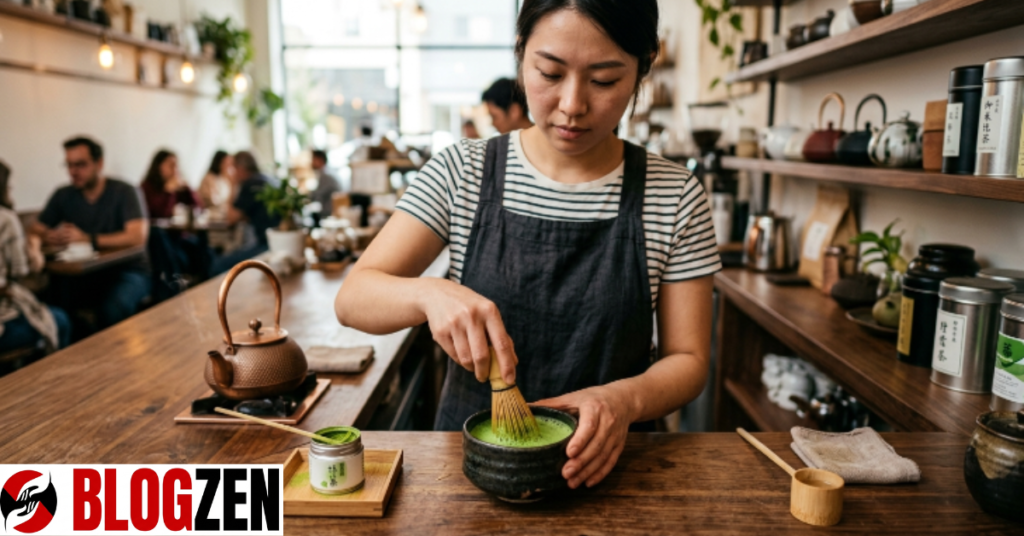
Next, look at how it’s prepared. A café whisking matcha to order — even behind the counter — is a good sign. Think of it this way: if they can make it in under 10 seconds by shaking a pre-mixed bottle, it’s not being whisked properly, and the texture will feel thin instead of frothy.
Finally, check reviews specifically for the word “bitter” or “earthy.” Oddly enough, that’s a good sign — real matcha has natural bitterness that’s balanced, not masked, by sweetness.
Pro Tip: Order it “traditional style” or ask for less sweetener first. You can always add more, but you can’t remove sugar once it’s blended in.
Real-World Example: What a Genuine Matcha Order Looks Like
Picture this scenario: you walk into two different cafés, both advertising matcha lattes for around the same price.
Café A hands you a bright green drink in under a minute, made from a bottle behind the counter. It tastes sweet, slightly artificial, and the color fades fast once it settles. Café B takes closer to three minutes, and the barista sifts the powder before whisking it with hot water, then adds steamed milk. The color is more muted — a soft jade rather than neon green — and the taste has a gentle bitterness underneath the creaminess.
That muted color is actually the giveaway. Neon-green matcha drinks often use added food coloring or lower-grade powder oxidized under bad storage conditions. Real matcha, done right, looks calmer than you’d expect.
| Factor | Authentic Matcha Café | Generic “Matcha” Spot |
|---|---|---|
| Color | Soft jade green | Neon/bright green |
| Prep time | 2–4 minutes | Under 1 minute |
| Menu detail | Names grade/origin | Just says “matcha latte” |
| Taste | Balanced, slightly bitter | Mostly sweet |
| Price | $5–$7+ | $3–$4 |
Step-by-Step: How to Find and Order Great Matcha Near You
Here’s a simple process you can follow the next time you’re searching nearby:
- Search with intent modifiers — try “ceremonial matcha near me” or “Japanese matcha café” instead of just “matcha near me” to filter out chain coffee shops.
- Check the café’s online menu before visiting, and look for mentions of matcha grade or origin.
- Read recent reviews and search for keywords like “authentic,” “bitter,” or “traditional.”
- Call ahead if you’re unsure — asking “do you whisk your matcha fresh?” takes 10 seconds and tells you everything.
- Order it simple the first time — a plain matcha latte with minimal sweetener shows you the café’s true quality before you add flavors.
This process takes maybe five extra minutes, but it’s the difference between a forgettable drink and finding your new regular spot.
Myths vs. Facts About Matcha Near You
Most people believe more expensive automatically means better — that’s only partly true. Price is a signal, not a guarantee; some cafés charge premium prices while still using mediocre powder.
Another myth: matcha and green tea are basically the same thing. They’re related, but matcha involves the whole leaf in powdered form, giving it far more concentrated caffeine and antioxidants than steeped green tea.
The biggest myth of all is that bitterness means the matcha is bad. In reality, a well-made matcha should have a light bitterness that fades into sweetness — that balance is the actual sign of quality, not a flaw to mask with syrup.
Final Thoughts
You don’t need to become a tea expert to find great matcha nearby — you just need to know what to look for. Focus on three things: how the café describes its matcha, how it’s prepared, and how it actually tastes once it’s in your hands.
Skip the neon-green drinks that taste like candy, and look instead for cafés that talk openly about sourcing and grade. That one shift in what you search for — and what you ask — will completely change the quality of matcha you find.
So next time you search “matcha near me,” don’t just click the first result. Ask a question, check a menu, and taste the difference for yourself.
What’s the best (or worst) matcha you’ve had nearby? Drop it in the comments — it might just save someone else a bad cup.
FAQs
What does “matcha near me” usually show in search results?
It typically shows a mix of specialty tea houses, coffee chains, and cafés with matcha add-ons. Not all of these use authentic matcha — many rely on pre-mixed matcha syrups. Filtering your search with words like “ceremonial” or “Japanese matcha” narrows results to more specialized spots.
Is matcha near me always more expensive than regular green tea?
Generally, yes. Authentic matcha costs more due to the labor-intensive shading, harvesting, and stone-grinding process. Expect to pay $5 or more for a well-made matcha latte, compared to $2–$3 for standard green tea, since the ingredient itself carries a higher production cost.
How can I tell if a matcha café near me uses real ceremonial-grade matcha?
Look for three signs: (1) the menu names a grade or region, (2) the drink is prepared fresh rather than poured from a bottle, and (3) the color is a muted jade rather than neon green. If all three are missing, it’s likely a lower-grade or pre-mixed product.
Why does matcha near me taste different at every café?
Flavor differences come down to the matcha’s grade, freshness, and how it’s whisked. Lower-grade powder tastes more bitter and grassy, while high-grade matcha is smoother and slightly sweet. Preparation method — whisked fresh versus pre-mixed — also changes texture and taste significantly.
Can I find good matcha near me at a regular coffee shop?
Sometimes, but it’s less common. Most coffee chains use matcha as an add-on flavor rather than a specialty, so the powder is often lower grade and heavily sweetened. Dedicated tea houses or Japanese-focused cafés are more likely to prioritize quality sourcing.
What should I ask staff to find quality matcha near me?
Ask where their matcha comes from and whether it’s ceremonial or culinary grade. Also ask if it’s whisked fresh or made from a pre-mixed base. Staff who can answer confidently are far more likely to be serving something worth your money. VISIT BLOGZEN
