


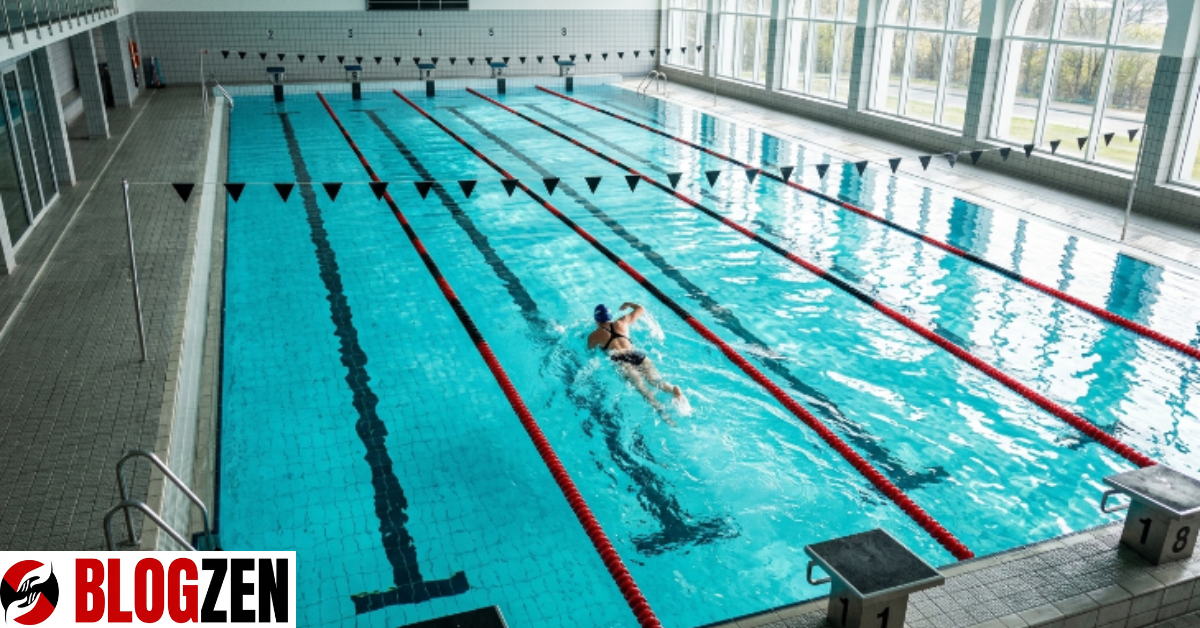
Quick Answer
A mile is 1,760 yards or 1,609 meters. In a standard 25-yard pool, that’s about 35 laps (70 lengths). In a 25-meter pool, it’s about 32 laps (64 lengths). In an Olympic 50-meter pool, it’s just over 16 laps (32 lengths).
Most swimmers have no idea they’re doing math every single lap. Here’s the surprising part: the number of swimming pool laps in a mile changes completely depending on which pool you’re in — and most gym-goers are counting it wrong.
If you’ve ever stood at the edge of a pool wondering “how many laps until I hit a mile,” you’re not alone. It’s one of the most searched swimming questions online, and the answer isn’t as simple as one fixed number. By the end of this article, you’ll know exactly how to calculate it for any pool size, why “lap” doesn’t mean what you think it means, and how to track your mile swim without losing count halfway through.
What Is a Swimming Mile + Why It Matters Today
A mile in swimming isn’t measured the same way as a mile on land, and that trips up almost everyone. On the road, a mile is always 1,609 meters or 1,760 yards — no debate there. In a pool, though, the number of laps needed to cover that distance depends entirely on the pool’s length.
Here’s what nobody tells you: pools aren’t standardized worldwide. American gyms often use 25-yard pools, while Olympic and international facilities use 50-meter pools. That single difference changes your lap count by almost double.
This matters because swimmers training for fitness, triathlon prep, or weight loss often set a “swim a mile” goal without checking their pool’s length first. Getting this number wrong means you either stop short of your goal or swim way past it without realizing.
How “How Many Swimming Pool Laps in a Mile” Actually Works
Let me explain why this calculation confuses so many people: the word “lap” itself is ambiguous. Some swimmers count one length of the pool (one wall to the other) as a lap. Others count a lap as down-and-back, meaning two lengths.
To figure out your real number, you need three things: the exact pool length, the total distance of a mile in matching units, and a clear definition of what you’re calling a “lap.” Once you have those, it’s simple division.
Here’s the breakdown by pool type:
| Pool Type | Length | Lengths per Mile | Laps per Mile (down-and-back) |
|---|---|---|---|
| Short course yards (SCY) | 25 yards | 70.4 | 35.2 |
| Short course meters (SCM) | 25 meters | 64.4 | 32.2 |
| Long course meters (LCM) | 50 meters | 32.2 | 16.1 |
Pro Tip: Always check the sign at your gym or pool deck — most public pools list their length near the entrance or on the lane markers.
Common Mistakes People Make With Lap Counting
Most people get this completely wrong by assuming every pool is the same length. That single assumption throws off entire training plans, especially for beginners chasing a specific mile-swim goal.
Another frequent error is mixing up “lap” and “length” mid-workout. Swimmers lose count because they switch definitions halfway through a session — starting by counting lengths, then accidentally counting laps as they get tired and lose focus.
The truth is: even experienced swimmers occasionally miscount without a tracking system. A third mistake is forgetting that open water “miles” (like triathlon swim legs) are measured in straight-line distance, not pool lengths, which confuses swimmers moving between pool and open-water training.
Expert Tips and Proven Strategies for Tracking Your Mile
Think of it this way: counting laps manually is like counting steps without a pedometer — doable, but unreliable over time. Coaches recommend using a lap counter, a waterproof watch, or a simple tally system clipped to your goggles strap.
Swim coaches also suggest breaking your mile into sets instead of counting one long stretch. For a 25-yard pool, doing 7 sets of 10 lengths (with short rests) hits your mile goal while keeping your stroke technique sharp.
Here’s a simple step-by-step approach:
- Confirm your pool’s exact length in yards or meters.
- Calculate lengths per mile using the table above.
- Break the total into manageable sets (e.g., 5 sets of 14 lengths for a 25-yard pool).
- Use a lap counter or watch to track progress in real time.
- Rest 15–30 seconds between sets to maintain pace without losing count.
Pro Tip: Wearable swim trackers like Garmin or Apple Watch automatically detect pool length and calculate distance — no manual math needed.
Real-World Examples of Mile Swims Across Pool Types
Picture two swimmers on the same day, both aiming for a mile. Swimmer A trains in a 25-yard community pool and needs 70 lengths to hit the mark. Swimmer B trains in an Olympic 50-meter pool and only needs 32 lengths.
Both swimmers cover the exact same distance, but their mental experience is completely different. Swimmer A has to stay focused through more than double the wall touches, which is why short-course swimmers often report feeling like the mile “never ends.”
This is also why triathletes training for open-water swim legs often prefer 50-meter pools when available — fewer turns mean training conditions closer to the smooth, uninterrupted feel of open water.
Step-By-Step Guide to Swimming Your First Mile
Getting through your first mile swim doesn’t have to feel overwhelming once you break it into stages. Start by confirming pool length, then set realistic pacing goals based on your current fitness level.
Beginners should aim to complete the distance with rest intervals built in, rather than swimming continuously. Building endurance gradually reduces injury risk and keeps motivation high.
A simple beginner plan for a 25-yard pool: swim 10 lengths, rest 20 seconds, repeat for 7 rounds to reach approximately one mile. Adjust the round count based on your pool’s actual length using the table earlier in this article.
Myths vs Facts About Pool Laps and Miles
There’s a lot of confusion floating around gym locker rooms about what counts as a “mile swim,” and most of it isn’t accurate.
Myth: A lap always means one length of the pool.
Fact: In competitive swimming, a lap traditionally means down-and-back (two lengths), though casual usage varies by gym.
Myth: All swimming pools are the same length worldwide.
Fact: Pool lengths vary by region and facility type — 25 yards, 25 meters, and 50 meters are all common standards.
Myth: Swimming a “mile” always takes the same amount of time regardless of pool size.
Fact: More turns in shorter pools mean more deceleration and re-acceleration, which can actually slow your overall pace compared to a longer pool.
Swimming a mile isn’t about one universal number — it’s about knowing your pool and doing the math once so you never have to guess again. The three things to remember: check your pool length first, understand whether your gym counts a lap as one length or two, and use a tracker if manual counting isn’t working for you.
Now it’s your turn — grab your goggles, check the pool length sign, and calculate your personal lap count using the table above. Drop a comment below with your pool type and see how your number compares to other swimmers.
Your next mile starts with the right count. Dive in.
FAQs
How many laps is a mile in a 25-yard pool?
A mile equals 1,760 yards, so in a 25-yard pool you’ll need roughly 70.4 lengths, or about 35.2 laps if you’re counting laps as down-and-back. Most swimmers round this to 70 lengths for simplicity during training sessions.
How many swimming pool laps in a mile for an Olympic pool?
Olympic pools measure 50 meters long, and since a mile is 1,609 meters, you’ll need approximately 32.2 lengths, or 16.1 down-and-back laps. This is why Olympic-trained swimmers often complete miles faster — fewer wall turns mean less speed loss.
Is a swimming mile the same as a running mile?
Yes, the distance is identical — 1,609 meters or 1,760 yards. The difference lies purely in how that distance is divided across pool lengths, since running tracks don’t have walls forcing repeated turns like pools do.
What’s the easiest way to track laps without losing count?
Three reliable methods work well:
- A clip-on mechanical lap counter worn on your finger.
- A waterproof fitness watch with automatic pool-length detection.
- A simple tally taped to the pool deck near your lane.
Why do some gyms count a lap differently than others?
Terminology varies by region and coaching background. Some facilities define a lap as one length (wall to wall), while competitive swim programs typically define it as down-and-back. Always ask your specific facility which definition they use to avoid confusion.
How long does it take to swim a mile for a beginner?
Most beginners take 45–60 minutes to complete a mile swim with rest intervals included, depending on pool length and turn frequency. Intermediate swimmers typically finish in 30–40 minutes, while competitive swimmers can complete it in under 20 minutes. VISIT BLOGZEN
